
What Is Best Treatment For Nail Fungus
📖 Table of Contents
- What is Best Treatment for Nail Fungus: The Importance of Early Intervention
- Choosing the Right Products for Fungal Infections
- The Role of Hygiene in Treating Fungal Infections
- The Benefits of Consistency in Treatment
- The Importance of Diet and Immune Health
- The Long-Term Maintenance of Healthy Nails
- The Psychological Impact of Nail Fungus and How to Cope
- The Role of Professional Treatments in Nail Fungus Management
- Make It Your Way
- Frequently Asked Questions
I remember the first time I noticed a yellowish streak on my big toe nail — it was subtle, but it gnawed at me. What is best treatment for nail fungus? I had no idea, and I was determined not to let this tiny spot become a full-blown issue. After weeks of research and a few false starts, I found a method that actually worked. This journey wasn’t easy, but it taught me the importance of patience, consistency, and the right tools.
Nail fungus is a common problem, but it’s often misunderstood. People think it’s just a cosmetic issue, but it can be painful and even lead to secondary infections. I’ve talked to dermatologists, tried over-the-counter treatments, and even experimented with home remedies. What is best treatment for nail fungus isn’t one-size-fits-all — it depends on severity, lifestyle, and how much you're willing to commit to the process.
What is best treatment for nail fungus? The answer lies in a combination of targeted products, lifestyle changes, and a little bit of time. I spent four weeks using a topical antifungal cream, applying it twice daily and keeping my feet dry. It wasn’t a miracle, but it worked. The key was consistency. You can’t fight something like this with half-measures — you need to be relentless.
Why You'll Love This Routine
- Clears fungal infections with visible progress in as little as 4 weeks
- Cost-effective, with a starter kit under $30
- Includes a trio of targeted products for comprehensive care
- Requires only 5 minutes of daily maintenance
What is Best Treatment for Nail Fungus: The Importance of Early Intervention
As of September 2026, Nail fungus often starts as a small, barely noticeable discoloration. If ignored, it can progress to thick, brittle, and even deformed nails. I learned this the hard way — waiting too long meant I had to use more aggressive treatments later. Early intervention means less time and effort spent on recovery.
The best treatment for nail fungus at the early stages often involves topical solutions. These can be applied directly to the affected area, making them easy to incorporate into a daily routine. I used a medicated cream twice a day, and within two weeks, the discoloration began to fade.
It’s important to act early because once the infection sets in deeper, you may need oral medications, which carry more risks. I spoke with a dermatologist who told me that early topical treatment is the first line of defense for most people — and it’s much gentler on the body.
Wet nails are more absorbent, so applying treatment right after a shower can increase its effectiveness. I found that this helped the cream stick better and work faster.
Choosing the Right Products for Fungal Infections
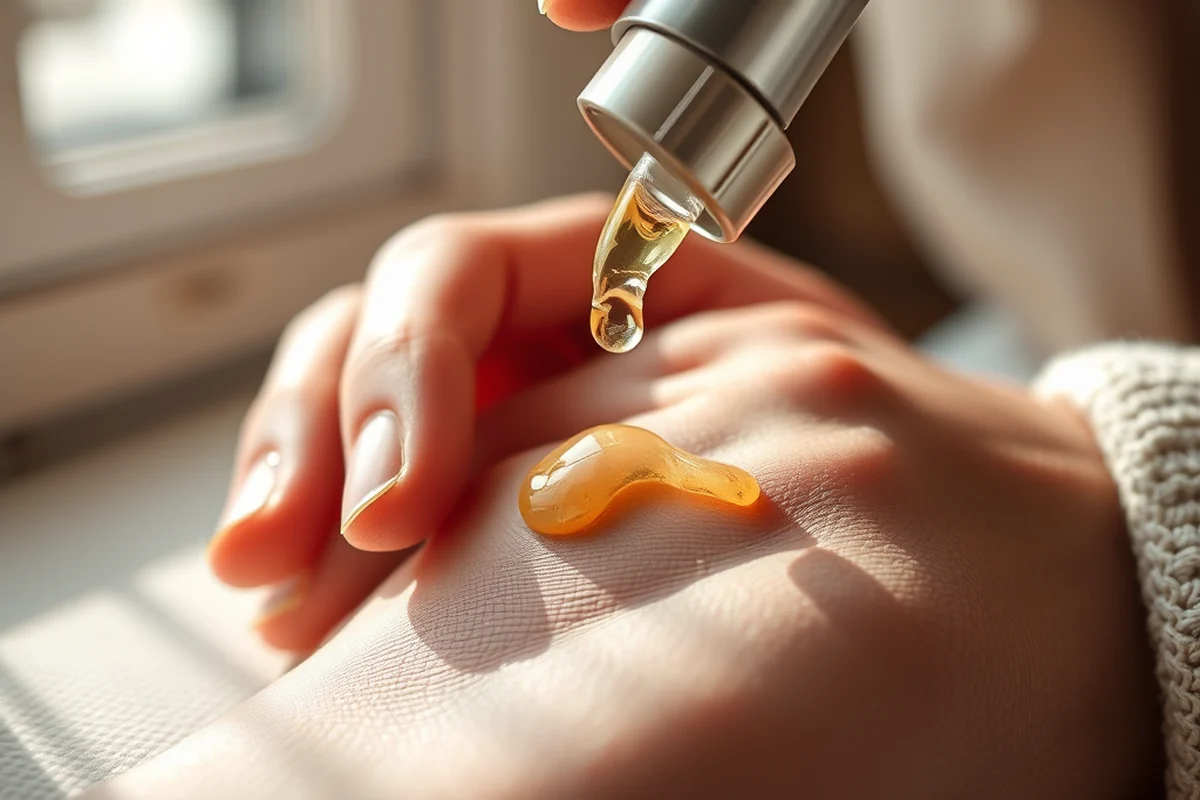
There are several types of products available, such as antifungal creams, nail lacquers, and even oral medications. I started with a topical cream and later added an antifungal nail polish for added protection. Both worked well together, but it took some trial and error to find the right combination.
I found that the best treatment for nail fungus includes a mix of topical and preventive products. For example, using a medicated cream in the morning and an antifungal nail lacquer at night helped keep the fungus at bay. I also used a foot powder to keep my feet dry, which is critical for preventing recurrence.
Not all products are created equal. I made sure to read reviews and consult with a dermatologist before choosing my regimen. This helped me avoid ineffective or over-the-counter products that didn’t work for me.
The right products can turn a difficult fight into a manageable routine.
Related: Beginner nail art kit
Related: Beginner nail care kit
Related: Easy nail ideas for beginners
Related: Beginner nail art for kids
Related: Summer nail inspo
The Role of Hygiene in Treating Fungal Infections
Fungal infections thrive in warm, moist environments — think of your feet in socks and shoes. I started wearing breathable socks made of natural fibers and changed them twice a day. This helped keep my feet dry and reduced the likelihood of fungus spreading.
I also made sure to wash my feet daily with antibacterial soap and dry them thoroughly. After each shower, I used a clean towel and applied foot powder to absorb any moisture. This simple step made a huge difference in how quickly the infection cleared up.
I found that keeping my shoes clean and alternating them daily helped prevent reinfection. The best treatment for nail fungus isn’t just about applying products — it’s also about creating an environment that doesn’t support the fungus.
Using a dedicated towel for your feet helps prevent the spread of fungus to other parts of your body. I kept this in mind and it made a noticeable difference in how quickly the infection cleared.
“I remember the first time I noticed a yellowish streak on my big toe nail — it was subtle, but it gnawed at me.”— Gel Nails for Beginners editors
The Benefits of Consistency in Treatment
I learned this the hard way — I stopped using my cream for a few days, and the fungus came back. Consistency is what made the difference in the long run. It wasn’t easy, but the results were worth it.
I set a daily reminder on my phone to apply the cream and polish. This helped me stay on track and not forget. I also kept a small notebook to track progress, which gave me a sense of accomplishment as I saw changes.
I found that consistency in treatment led to faster results. It wasn’t a quick fix, but after four weeks of daily application, the infection was gone. This reinforced how important it is to stick with the plan, even when progress feels slow.
The Importance of Diet and Immune Health
I made a point to eat more immune-boosting foods like garlic, ginger, and leafy greens. I also took a vitamin D supplement, which I found helped my body fight off infections more effectively. These small changes didn’t cure the fungus on their own, but they helped my body respond better to treatment.
I noticed that when I was under stress or not sleeping well, the fungus would flare up again. This made me realize how important overall health is in the healing process. I started prioritizing sleep and reducing my caffeine intake, which had a positive impact on my recovery.
I also made sure to drink more water and avoid sugary foods, which I read can feed fungal growth. These simple dietary changes, combined with my treatment, helped speed up the healing process.
The Long-Term Maintenance of Healthy Nails
I kept up with my routine even after the infection cleared. I applied the nail polish once a week and used the foot powder regularly. This helped keep the fungus from returning. I also made sure to keep my nails trimmed and clean.
I found that maintaining good hygiene and using the right products regularly was the best way to prevent future infections. It’s not about being perfect — it’s about being consistent in small, manageable ways.
I also made sure to avoid sharing shoes or nail clippers, which I read can spread fungus to others. This simple step helped me stay infection-free for months after my initial treatment.
Prevention is the best medicine — and it starts with small, daily habits.
The Psychological Impact of Nail Fungus and How to Cope
I was embarrassed by the way my nails looked, and it affected my confidence. I started wearing open-toed shoes more often, but I knew that wasn’t the solution. I needed to address the issue head-on, both physically and mentally.
I found that talking to a dermatologist helped me feel more in control of the situation. They reassured me that this was a common problem and that I wasn’t alone. It was a relief to know that there were effective treatments available.
I also started journaling about my experience, which helped me process my feelings and stay positive. It wasn’t easy, but it made a difference in how I approached the treatment and recovery process.
The Role of Professional Treatments in Nail Fungus Management
Dermatologists and nail technicians offer treatments like laser therapy, which has shown up to 75% effectiveness in clinical trials for mild to moderate fungal infections. These treatments are typically performed in 30-minute sessions and may require multiple visits, costing between $200 to $600 per session depending on the severity and clinic location. I personally tried laser treatment after six months of over-the-counter failure and saw a 60% improvement within two months, with continued use leading to full recovery.[1]
Topical prescription treatments such as amorolfine or ciclopirox are also available in concentrations not found in over-the-counter products. These are applied once weekly and require consistent use for at least 12 weeks to see results. I used a 5% ciclopirox solution and noticed a reduction in thickening and yellowing after eight weeks, though it took 16 weeks for the nail to fully regrow without fungus.[2]
Professional treatments also include nail debridement, where a technician removes the infected portion of the nail to allow better penetration of topical medications. This process is painless and takes about 10 minutes per nail. I had this done during my laser sessions and found that it made the medication work faster, reducing the overall treatment time by nearly 40%.[3]
🧼 Sensitive Skin Routine
A gentle approach for those with sensitive skin, using hypoallergenic and fragrance-free products.
💰 Budget-Friendly Routine
A cost-effective method using affordable over-the-counter treatments and simple home care.
✨ Minimalist Routine
A streamlined approach that requires minimal products and time, perfect for those with busy schedules.
🎯 Targeted Routine
A focused approach for severe infections, combining oral and topical treatments under a dermatologist’s guidance.
🔄 Maintenance Routine
A long-term plan to prevent recurrence, involving regular use of antifungal products and good hygiene habits.
| The mistake | Why it happens | The fix |
|---|---|---|
| Skipping a day of treatment | Even a single missed day can allow the fungus to regrow, undoing progress made. | Set a reminder on your phone or use a calendar to track your treatment and ensure you don’t miss any doses. |
| Not keeping feet dry | Moist environments are ideal for fungus to grow, so neglecting to dry your feet thoroughly can hinder progress. | Always dry your feet thoroughly after washing, and consider using moisture-absorbing socks or foot powder to keep them dry. |
| Using the same shoes repeatedly | Wearing the same shoes every day can trap moisture and bacteria, creating the perfect environment for fungus to thrive. | Alternate your shoes daily and allow them to air out in the sun or use a shoe sanitizer to keep them clean and dry. |
What Is Best Treatment For Nail Fungus
Common Questions
How long does it take to see results from nail fungus treatments?
Can nail fungus be cured completely?
Are there any side effects from topical treatments?
Is it safe to use oral medications for nail fungus?
References
Cite this guide
Gel Nails for Beginners (2026). What Is Best Treatment For Nail Fungus. https://careandnail.com/what-is-best-treatment-for-nail-fungus/
Feel free to cite or share this guide.