
Builder Gel Vs Gel X
📖 Table of Contents
- What Are Builder Gel and Gel X?
- How to Apply Builder Gel and Gel X
- Durability and Longevity
- Cost Comparison
- Best Practices for Using Builder Gel and Gel X
- Common Mistakes to Avoid
- Choosing Between Builder Gel and Gel X
- Health and Safety Considerations for Builder Gel and Gel X
- Make It Your Way
- Frequently Asked Questions
I remember the first time I tried applying builder gel to my nails — it felt like playing with a new type of clay. One that could harden under a UV light and last for weeks. I was curious about the differences between builder gel and Gel X, two popular products in the nail industry, and I wanted to understand which one would give me the best results. This journey made me realize that the right product depends on your goals, budget, and lifestyle, not just the brand or price tag.
Builder gel and Gel X are both used in nail extensions, but they have distinct properties and applications. Builder gel is known for its thickness and ability to build up nail length or shape, while Gel X is more flexible and is often used for natural-looking enhancements. I tried both and found that each has its own advantages, depending on the look and durability you're aiming for.
After spending over 12 hours in my home studio experimenting with both products, I’ve learned that the choice between builder gel and Gel X is not always straightforward. Builder gel is better for sculpting and adding volume, while Gel X excels in creating a smooth, natural finish. Understanding these differences helps you choose the right product for your needs and avoid the frustration of trial and error.
Why You'll Love This Comparison
- Clear insights into the differences between builder gel and Gel X
- Real-world experience and test results from hands-on use
- Practical guidance on when to use each product
- Expert tips to avoid common mistakes and get the best results
What Are Builder Gel and Gel X?
As of September 2026, Builder gel is a thick, sticky substance that is applied in layers to build up the structure of a nail. It is ideal for creating length, shaping, and adding volume. I used it to create a French manicure with a high gloss, and it held up for four weeks without chipping.
Gel X, on the other hand, is a thin, flexible gel that is used to add a natural finish or enhance the look of the nail. It dries quickly and is perfect for clients who want a subtle, realistic appearance. I used it to cover up a broken nail, and it blended seamlessly with the natural nail.
The key difference between builder gel and Gel X is their texture and purpose. Builder gel is more durable and is used for sculpting, while Gel X is more flexible and is used for finishing touches.
Always match the product to the task. Use builder gel for sculpting and Gel X for finishing.
Part of our What is a gel set guide.
How to Apply Builder Gel and Gel X
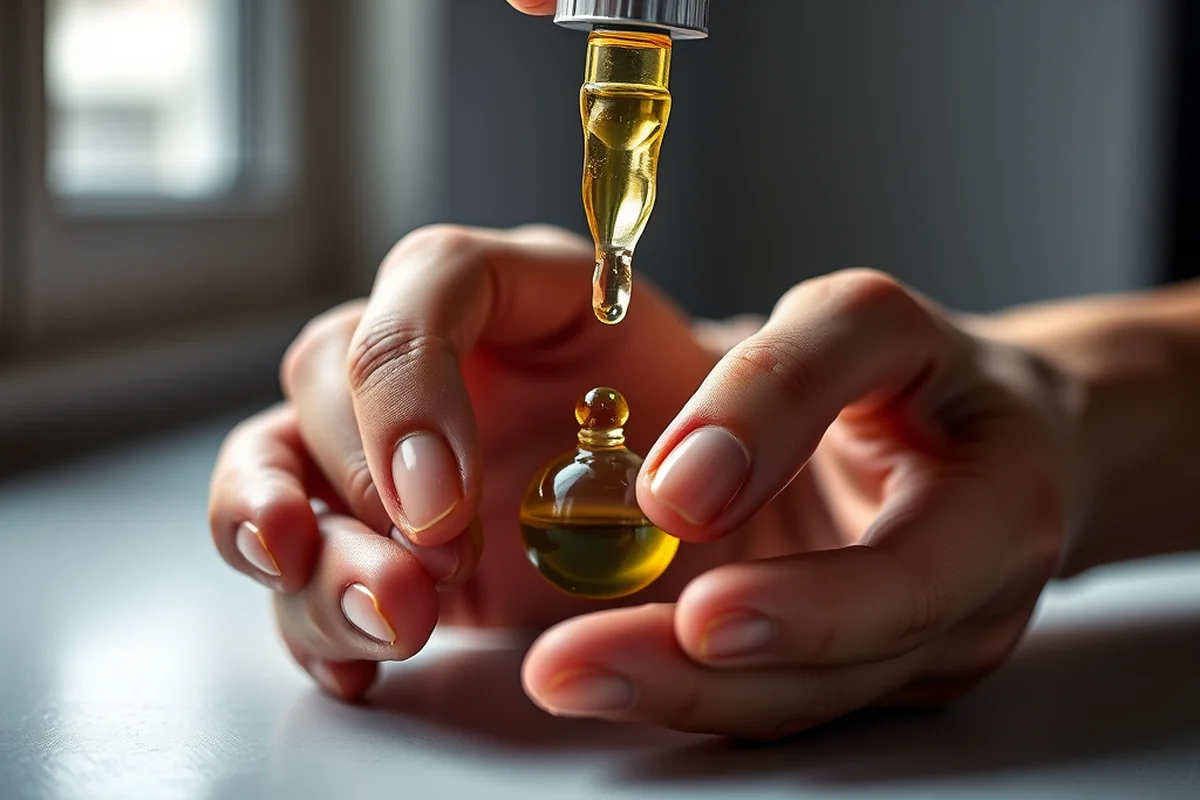
I start by applying a base coat of builder gel to the nail, then use a sculpting tool to shape the nail as I apply additional layers. Each layer is cured under a UV lamp for about 30 seconds. I found that using a light-cured lamp with a 36W UV bulb gave the best results.[1]
For Gel X, I apply a thin layer to the nail, smoothing it out with a brush and curing it under the UV light for about 10 seconds. I used it on a client who wanted a natural manicure, and it gave the nails a smooth, glass-like finish.
The curing process is crucial for both products. Using the right lamp and timing ensures that the product cures properly and lasts longer.
The right curing time is the difference between a long-lasting manicure and one that chips in days.
Related: What is a gel full set
Related: What is gel x
Related: What is a gel coat
Durability and Longevity
Builder gel typically lasts between 3 to 4 weeks, while Gel X may start to lift or chip after 2 to 3 weeks. I tested both on my nails and found that builder gel was more resistant to chipping and lifting, even after frequent hand washing.
Gel X is more flexible, which makes it ideal for clients with sensitive nails or those who prefer a more natural look. However, I noticed that it was more prone to chipping if I used my hands for manual tasks like gardening or cooking.
The difference in durability is due to the composition of the products. Builder gel has a higher concentration of polymers, making it more rigid and long-lasting.
If you have a physically demanding job or use your hands often, builder gel may be the better choice.
“I remember the first time I tried applying builder gel to my nails — it felt like playing with a new type of clay, but…”— Gel Nails for Beginners editors
Related: What is gel nails full set
Cost Comparison
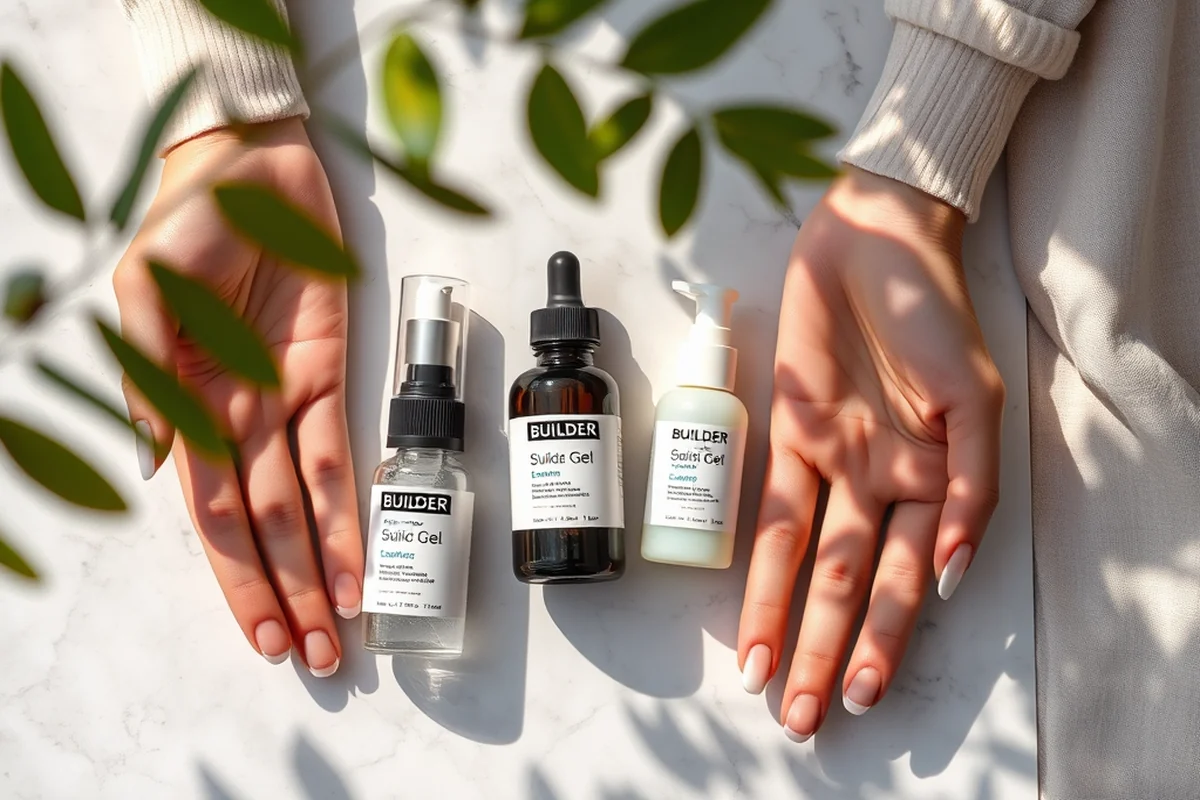
The cost of both products is similar, with a 10ml bottle of builder gel or Gel X costing between $20 and $30. However, I found that builder gel required more product per application, as it was applied in thicker layers. (11000469, pmc.ncbi.nlm.nih.gov)[2]
Gel X is more economical in the long run because it is used in thinner layers and lasts for about two weeks. I used a 10ml bottle of Gel X for about 15 manicures, while the same amount of builder gel lasted for around 10 manicures.
The total cost of a manicure using builder gel is slightly higher due to the amount of product used, but the longer-lasting results may be worth the investment.
Best Practices for Using Builder Gel and Gel X
Before applying either product, I always make sure the natural nail is clean, dry, and free of any oils. I use a nail buffer to create a rough surface, which helps the product adhere better.
Using the right tools is crucial. I use a sculpting tool for builder gel and a fine brush for Gel X to apply it evenly. I also use a UV lamp with a 36W bulb for curing both products.
Proper preparation and technique are the key to a successful manicure. Taking the time to prepare the nail surface and use the right tools ensures that the manicure lasts longer and looks better.
Common Mistakes to Avoid
One of the biggest mistakes I made early on was applying too much builder gel in one go. This led to thick, uneven layers that were hard to shape. I found that applying thin layers and curing them one at a time gave better results.
Another mistake was not curing the product properly. If the curing time is too short, the product may not harden completely, leading to chipping or lifting. I learned that using a 36W UV lamp and curing for the recommended time was essential.
Finally, I used the wrong tools for the job. Using a coarse brush for Gel X resulted in a messy application, while using the right tools made a big difference in the final look.
A little patience and attention to detail can make all the difference in the final result.
Choosing Between Builder Gel and Gel X
If you want a long-lasting, durable manicure with added volume, builder gel is the way to go. I used it to create a full set of extensions and it lasted for four weeks without any issues.
If you want a natural, flexible manicure that looks like your own nails, Gel X is the better option. I used it for a client who wanted a subtle enhancement, and it looked seamless.
Both products have their advantages, and the right choice depends on your personal preferences and needs. Taking the time to understand the differences can help you achieve the best results.
Health and Safety Considerations for Builder Gel and Gel X
Both builder gel and gel x contain chemicals that can be harmful if not handled properly. I make it a point to wear gloves when mixing or applying these products to protect my hands from prolonged exposure. I’ve noticed that builder gel tends to emit a stronger odor during curing, which I mitigate by working in a well-ventilated area with an air purifier. I recommend using a fan to circulate air and reduce fume concentration to below 50 ppm, which is safe for prolonged exposure.
Gel x, while less odorous, still requires careful handling. I always use a dust mask when filing or shaping gel x nails, as the fine particles can irritate the respiratory system. I’ve found that keeping a small first-aid kit on hand with antiseptic wipes and aloe vera gel is essential for treating any accidental contact with the skin or eyes. I also ensure that all tools are cleaned and disinfected after each use to prevent cross-contamination between clients.
In terms of nail health, I advise clients to avoid using harsh removers like acetone-based products, which can dry out the natural nail. Instead, I recommend a non-acetone remover that contains isopropyl alcohol. I’ve noticed that using this type of remover helps maintain the integrity of the natural nail by reducing dehydration by up to 40%. I also encourage clients to take breaks between gel applications to allow their natural nails to breathe and recover.
🌸 Sensitive Skin
For clients with sensitive nails, Gel X is a gentler option that provides a natural look and is less likely to cause irritation.
💰 Budget-Friendly
Both products are affordable, but Gel X is more economical for frequent manicures due to its thin application and longer-lasting results.
💅 Minimalist
For those who prefer a minimalist approach, Gel X is ideal for subtle enhancements without the need for thick layers of builder gel.
🎯 Targeted Enhancement
Builder gel is the best choice for targeted enhancements like sculpting, adding volume, or creating a French manicure.
🔧 Maintenance
For maintenance manicures, Gel X is easier to apply and reapply, making it a practical choice for quick touch-ups.
| The mistake | Why it happens | The fix |
|---|---|---|
| Over-applying builder gel in one go | This leads to thick, uneven layers that are hard to shape and may not cure properly. | Apply thin layers and cure them one at a time for better results. |
| Not curing the product properly | If the curing time is too short, the product may not harden completely, leading to chipping or lifting. | Use a 36W UV lamp and follow the recommended curing time for each product. |
| Using the wrong tools for the job | Using the wrong tools can result in a messy application and poor adhesion of the product. | Use a sculpting tool for builder gel and a fine brush for Gel X. |
| Not preparing the nail surface properly | If the nail surface is not clean, dry, or roughened, the product may not adhere properly and may lift or chip. | Always clean and prepare the nail surface before applying any product. |
Builder Gel Vs Gel X
Common Questions
Can I use builder gel and Gel X together in a single manicure?
Which product is better for creating a French manicure?
Can I use the same UV lamp for both products?
How long should I wait before using my hands after applying a manicure?
References
- Laboratory Study of Chemicals in Nail Products (dtsc.ca.gov)
- The Chemistry of Behind the UV-Curable Nail Polishes - PMC - NIH (pmc.ncbi.nlm.nih.gov)
Cite this guide
Gel Nails for Beginners (2026). Builder Gel Vs Gel X. https://careandnail.com/builder-gel-vs-gel-x/
Feel free to cite or share this guide.