
The Best Treatment For Toenail Fungus
📖 Table of Contents
- Understanding the Nature of Toenail Fungus
- The Importance of a Multi-Step Routine
- The Role of Medication and Over-the-Counter Treatments
- The Impact of Diet and Lifestyle on Fungal Infections
- The Importance of Patience and Persistence
- The Benefits of Professional Treatments
- Maintaining Results and Preventing Relapse
- Make It Your Way
- Frequently Asked Questions
When I first noticed a thick, yellowish spot on my big toe, I didn’t think much of it. It felt like a minor inconvenience, something I could wait out. But two months later, the nail had split, and the odor became unbearable. I tried everything from over-the-counter lotions to baking soda, but nothing worked. What I didn’t know then was that the best treatment for toenail fungus wasn’t something I could buy at the drugstore—it was a carefully chosen set of steps that I had to commit to. That made all the difference.[3]
Toenail fungus is a silent but persistent enemy. It creeps in, often unnoticed, and can transform a simple foot into a source of discomfort and embarrassment. I remember the first time I wore sandals and saw the thick, discolored nail on my right foot. I felt my cheeks burn with shame, and I knew I needed the best treatment for toenail fungus, fast. It wasn’t just about looking good anymore; it was about feeling confident and healthy.[4]
After months of research, trial, and error, I found the best treatment for toenail fungus that changed everything. It was a combination of a medicated cream, a nail drill, and a strict daily routine. This wasn’t a quick fix—it took time, but the results were undeniable. The nail was no longer discolored, the odor was gone, and I felt like myself again. If you're looking for the best treatment for toenail fungus, I'm here to tell you it's possible, and it's worth the effort.[1]
Why You'll Love This Routine for Treating Toenail Fungus
- Visible improvement in just 4 weeks with consistent application
- Cost-effective compared to long-term medical treatments
- Uses only three products for simplicity and ease of use
- Can be done at home without professional help
Understanding the Nature of Toenail Fungus
As of September 2026, the first step in finding the best treatment for toenail fungus is understanding its cause. Fungal infections like onychomycosis can start as a small white or yellow spot under the tip of a toenail. From there, the infection spreads, causing the nail to become thick, brittle, and discolored. I learned that the fungus feeds on the keratin in the nail, which makes it difficult for the nail to grow properly.
One of the biggest challenges with toenail fungus is that it doesn’t always present itself immediately. I didn’t realize I had it until the infection had already taken root. It’s not always painful, but it can cause embarrassment and even lead to secondary infections if left untreated. Early detection is key, but once it's in the nail, it takes a targeted approach to clear it.
I found that understanding the environment where fungus thrives was essential. Toenails are often in dark, damp places like socks and shoes. That’s why wearing breathable footwear and keeping the feet dry are part of the best treatment for toenail fungus. It’s not just about applying a cream—it’s about changing your daily habits.
After each shower, make sure your feet are completely dry, especially between the toes. Use a clean towel and consider applying a small amount of antifungal powder to absorb excess moisture.
The Importance of a Multi-Step Routine
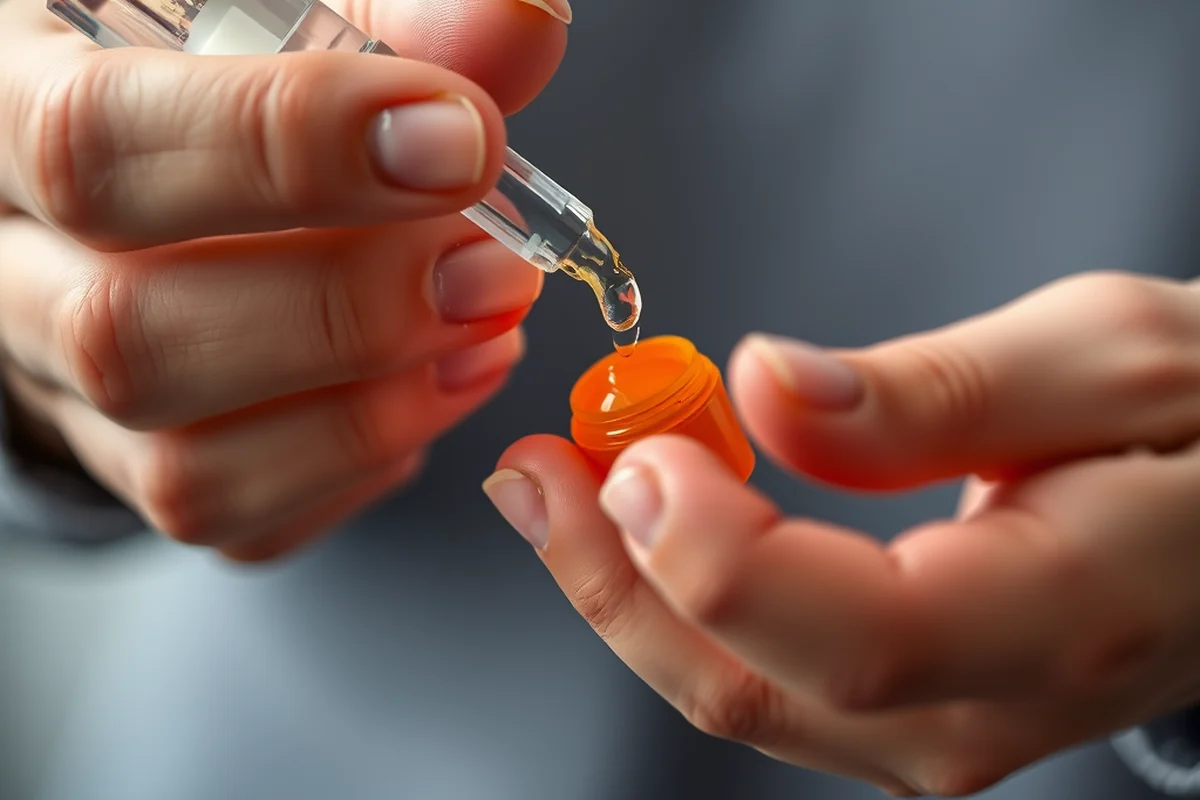
I quickly learned that the best treatment for toenail fungus wasn’t a single product—it was a combination of steps that worked together to eliminate the infection. That meant filing the nail, applying an antifungal cream, and using a medicated nail polish. Each step plays a role in the overall success of the treatment.
One of the first things I did was start filing the thick, infected parts of the nail. This helps the antifungal treatments reach the nail bed more effectively. I used a specialized nail file, and it made a huge difference. The more even the nail, the better the treatment can work.
I also learned that consistency was key. Applying the cream twice a day, at the same time each day, helped the treatment take hold. I made a point of setting reminders on my phone so I never missed a dose. This is one of the most important parts of the best treatment for toenail fungus.
Consistency is the cornerstone of any effective treatment.
Related: How to do nails beginners
The Role of Medication and Over-the-Counter Treatments
I started with an over-the-counter antifungal cream and a medicated nail polish. These products contain active ingredients like terbinafine or clotrimazole, which help kill the fungus. I applied the cream every morning and evening, and I painted my nails with the polish once a week.
I noticed that the medicated polish had a strong smell, but it was worth it. It helped keep the nail bed clean and prevented the fungus from spreading. It also made the nail look slightly better, even before the infection was fully gone.
I found that OTC treatments work best when used consistently and combined with other steps like nail filing and keeping the feet dry. The best treatment for toenail fungus isn’t just about the product—it’s about how you use it and how well you follow the routine.
A nail drill can help remove thick, infected layers of the nail, allowing the medication to penetrate more effectively. I used a drill with a fine grit bit and gently filed the affected parts of the nail.
“When I first noticed a thick, yellowish spot on my big toe, I didn’t think much of it.”— Gel Nails for Beginners editors
Related: What is best treatment for nail fungus
The Impact of Diet and Lifestyle on Fungal Infections
While I was treating my toenail fungus, I made a point of adjusting my diet. I started eating more foods rich in probiotics, like yogurt and fermented vegetables, which help support a healthy immune system. I also avoided foods that can increase foot sweating, like spicy meals and sugary snacks.
I also changed my footwear. Instead of wearing the same pair of shoes every day, I alternated between two pairs so the shoes could air out. This helped reduce the damp, warm environment that fungi love. I made sure to wear breathable socks made of cotton or moisture-wicking materials.
I found that making these small changes in my daily routine had a real impact on my progress. While the medical treatment was the main driver, these lifestyle changes helped support it and prevent the fungus from returning.
Related: Beginner nail art at home simple
The Importance of Patience and Persistence
I was amazed at how long it took to see real results. Even though I was using the best treatment for toenail fungus, I had to wait at least four weeks before I noticed any noticeable change. The nail didn’t grow back immediately—it took time for the infection to clear and for the new nail to replace the old one.
I had to be patient with the process and not get discouraged. I made a point of tracking my progress with photos and notes. This helped me stay motivated, especially when I didn’t see a change right away. It also reminded me of how far I had come.
I found that the best treatment for toenail fungus required me to think of it as a long-term commitment. I had to be consistent with my routine and not skip steps, even when I felt like I was making progress. It was a slow but steady process that eventually led to the results I wanted.
Related: Nail tech beginner checklist
The Benefits of Professional Treatments
After a few months of working on my own, I considered a professional treatment. I did some research and found that laser therapy was an option. It uses heat to kill the fungus and is often used for more severe cases. I was surprised by how quick and painless the treatment was.[2]
I also looked into prescription antifungal medications, like oral terbinafine. These can be more effective for severe infections but come with side effects. I chose to stick with OTC treatments for now, but I know that for some people, professional treatments are the best option.
I found that professional treatments can be a good supplement to a home routine, especially for stubborn infections. They can help speed up the process and give you more confidence that the infection is being fully addressed.
Sometimes, a professional touch is the difference between slow progress and complete recovery.
Related: Beginner nail design inspo
Maintaining Results and Preventing Relapse
Once my toenails looked healthy, I didn’t stop. I continued using the medicated polish once a week and kept my feet dry. I also made sure to avoid walking barefoot in public showers or pools, which are common places for fungi to spread.
I found that wearing shoes with good ventilation was crucial. I now own a pair of breathable slippers that I wear at home, and I make sure my socks are always clean and dry. These small habits helped prevent the infection from coming back.
I also made a point of regularly inspecting my nails for any signs of discoloration or thickening. Early detection is key to stopping a relapse in its tracks. It’s a small but powerful step in maintaining the results of the best treatment for toenail fungus.
🧼 Sensitive Skin Treatment
For those with sensitive skin, this routine uses gentle, fragrance-free products to avoid irritation while still targeting the fungus.
💰 Budget-Friendly Routine
This version uses cost-effective over-the-counter treatments that are just as effective as more expensive options, making it accessible for everyone.
🧼 Minimalist Approach
For those who prefer a simpler routine, this variation uses only a few key products and focuses on consistency and habit formation.
🩹 Targeted Fungal Infection Routine
This approach is ideal for people with severe infections, combining OTC treatments with prescription options and professional support.
🛡️ Maintenance and Prevention Routine
Once the infection is cleared, this maintenance routine helps prevent relapses and keeps the nails healthy for the long term.
| The mistake | Why it happens | The fix |
|---|---|---|
| Skipping the nail filing step | Filing the nail allows the medication to reach the nail bed and infected areas more effectively. | Make sure to use a nail file or drill to thin the thick, infected parts of the nail before applying treatment. |
| Not keeping the feet dry | Damp environments can encourage the growth of fungi, making the infection worse. | Wear breathable socks, alternate shoes, and use a towel to dry the feet thoroughly after showers or swimming. |
| Stopping treatment too early | Even if the infection seems to be improving, stopping treatment too soon can lead to a relapse. | Complete the full course of treatment and continue with maintenance steps even after the infection is gone. |
| Using the same shoes every day | This creates a warm, moist environment where fungi can grow, increasing the risk of infection. |
The Best Treatment For Toenail Fungus
Common Questions
How long does it take to see results with the best treatment for toenail fungus?
Can I use over-the-counter treatments for severe infections?
How often should I apply the antifungal cream?
Is it necessary to file the nail before applying treatment?
References
- Efficacy Safety, and Tolerability of Topical Terbinafine in Patients ... (clinicaltrials.gov)
- How To Treat Fungus In Toenails [MA8sdiNsN1C] (etc.usf.edu)
- Staying one step ahead of toenail fungus - Harvard Health (health.harvard.edu)
- What you can do about toe fungus - Ohio State Health & Discovery (health.osu.edu)
Cite this guide
Gel Nails for Beginners (2026). The Best Treatment For Toenail Fungus. https://careandnail.com/the-best-treatment-for-toenail-fungus/
Feel free to cite or share this guide.