
What Is Best Nail Hardener
📖 Table of Contents
- What to Look for in a Nail Hardener
- How to Apply a Nail Hardener Properly
- The Science Behind Nail Hardening
- How Often Should You Use a Nail Hardener
- Common Misconceptions About Nail Hardeners
- The Difference Between Gel and Polish Hardeners
- The Importance of Aftercare
- DIY Hardening Alternatives and Their Effectiveness
- Make It Your Way
- Frequently Asked Questions
I remember the first time I tried to do my own gel nails at home. My nails were soft, chipped within a day, and I felt like I had wasted both time and money. It wasn’t until I discovered the right nail hardener that things changed. That product became my go-to for keeping my gel manicures looking flawless for weeks. If you're like me and looking for a solution to brittle, peeling nails, the question 'what is best nail hardener' is one you’ll probably ask soon.
Nail hardeners aren’t just for people with naturally weak nails. Even those with strong nails can benefit from using a quality hardener, especially if they’re doing frequent gel or acrylic manicures. Over time, repeated exposure to UV light and the stress of filing can wear down your natural nail structure. The best hardener can help reinforce that, making your manicures last longer and your natural nails stay healthy.
After experimenting with several products, I’ve found that the best nail hardener is one that’s both effective and gentle on the nail bed. It should contain the right mix of ingredients that strengthen without causing dryness or brittleness. I’ve tested several options over the years and can confidently say that the best ones offer a balance of strength, hydration, and long-lasting results.
Why You'll Love This Nail Hardener
- Longer-lasting gel manicures
- Reduced nail breakage and splitting
- Improved nail strength over time
- Gentle on natural nails
What to Look for in a Nail Hardener
As of September 2026, when selecting a nail hardener, look for products that are free from harsh chemicals like formaldehyde, toluene, and DBP. These ingredients can dry out your nails and cause long-term damage. The best hardeners are those that nourish and protect the nail while reinforcing it.
I personally prefer hardeners that have a smooth, fast-drying formula. This allows me to apply them quickly without smudging. It’s also important that the hardener doesn’t yellow the nail or leave a sticky residue. A good hardener should be transparent and clear after application.
I’ve found that some hardeners are more effective than others, especially with longevity. The best ones I’ve used have lasted up to four weeks with minimal chipping, even with frequent hand washing and exposure to water.
Keratin is the protein that makes up your nails. Using a hardener with keratin can help reinforce and strengthen your nails over time.
How to Apply a Nail Hardener Properly
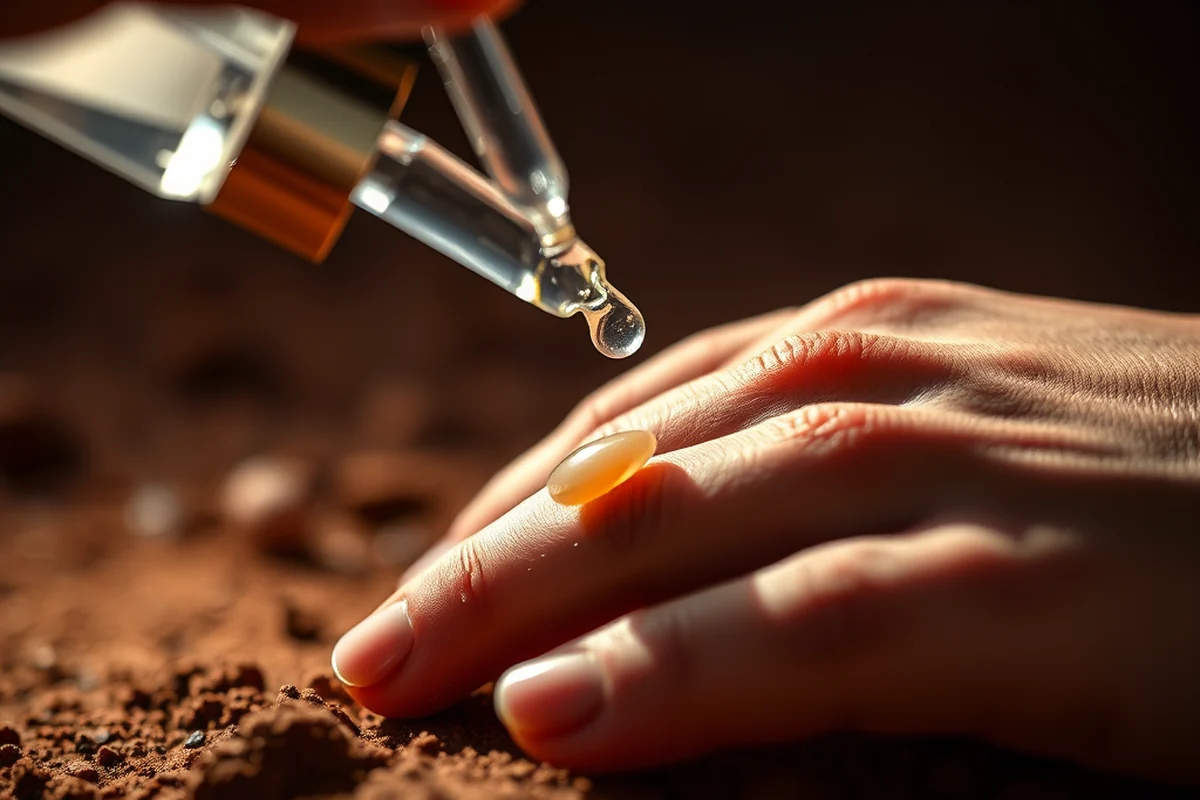
Start by ensuring your nails are clean and dry. I always use a lint-free wipe to remove any oils or residue before applying the hardener. This helps the product adhere better to the nail surface.
I apply the hardener in a thin, even layer across the entire nail. I avoid the cuticle area to prevent irritation. If you apply too much, it can cause the nail to lift from the nail bed, which is a common mistake I see with beginners.
After applying, I wait for the hardener to dry completely before applying my gel polish. This ensures that the hardener is fully absorbed and has time to work its magic. I’ve found that waiting an extra minute or two really makes a difference in the final result.
Apply in thin layers for best results.
Related: Summer nail inspo
The Science Behind Nail Hardening
The science behind nail hardeners is fascinating. Many hardeners use a combination of proteins and minerals that bond with the nail’s keratin structure to make it more resistant to breaking or peeling. This process is similar to how hair treatments work — by reinforcing the proteins in the hair shaft.
I’ve noticed that some hardeners have a slight warming sensation when applied, which is a sign that the product is reacting with the nail and starting to work. This is a good indicator that the hardener is active and doing its job.
The best nail hardeners are those that not only strengthen the nail but also keep it hydrated. This helps prevent the nail from becoming brittle or dry, which can lead to cracking and splitting.
A warming sensation is a sign that the product is reacting with your nail and working as intended.
“I remember the first time I tried to do my own gel nails at home.”— Gel Nails for Beginners editors
Related: Nails for beginners
How Often Should You Use a Nail Hardener
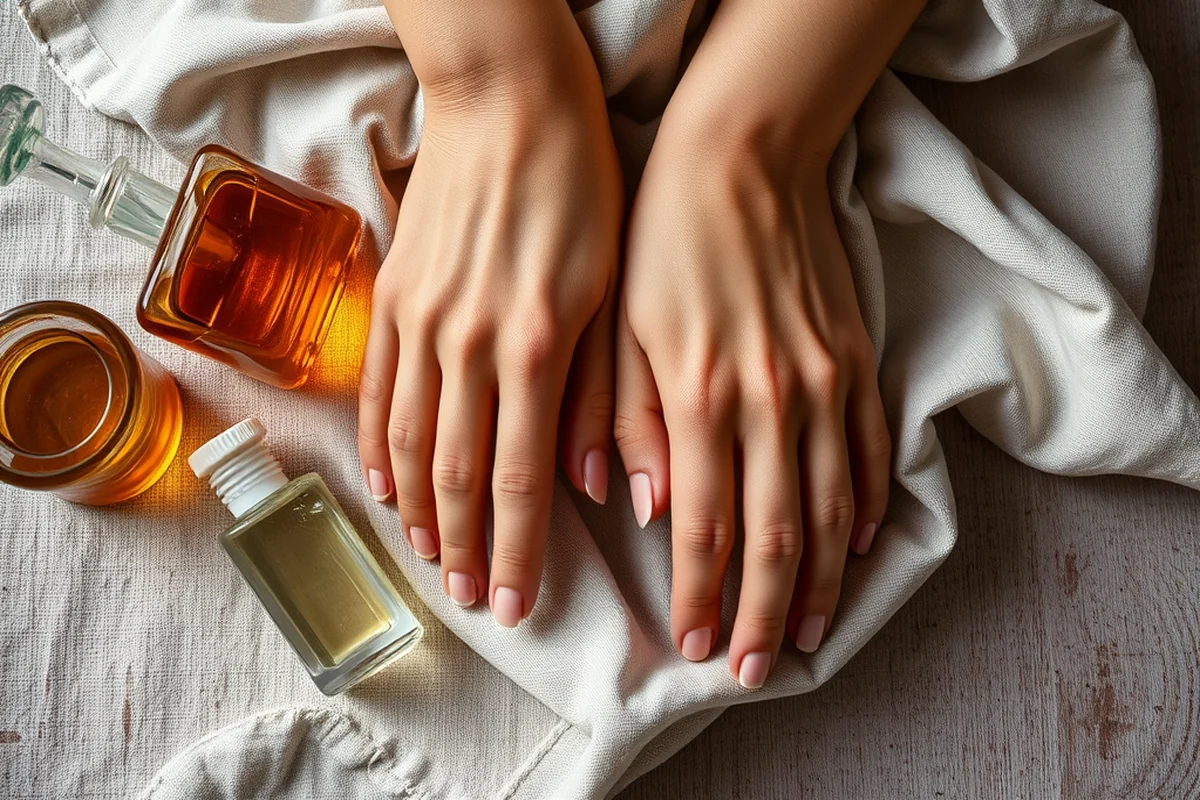
I’ve found that using a nail hardener once a week is sufficient for most people. This allows the product to work without over-saturating the nail. However, if you’re doing frequent gel manicures or your nails are naturally weak, using it twice a week may be beneficial.
It’s important to follow the manufacturer’s instructions, as some products may recommend different application frequencies. I always read the label carefully before using a new hardener to ensure I’m applying it correctly.[1]
Overusing a nail hardener can cause the nail to become too rigid and prone to breaking. It’s a delicate balance — enough to strengthen the nail, but not so much that it harms it.
Related: Cute nail designs
Common Misconceptions About Nail Hardeners
One common misconception is that nail hardeners can make your nails permanently hard. In reality, they only help strengthen and reinforce the nail temporarily, not change its natural structure. This is a common misunderstanding I see among new users.
Another myth is that nail hardeners are only for people with weak nails. In fact, even those with strong nails can benefit from using a hardener, especially if they’re doing frequent manicures or their nails are exposed to water and chemicals regularly.
Lastly, many people believe that nail hardeners will cause their nails to grow faster. This is not true — nail hardeners do not affect the growth rate of your nails, only their strength and durability.
Related: How to do nails beginners
The Difference Between Gel and Polish Hardeners
Gel hardeners are designed to be used during the gel manicure process to help the polish set and harden. They are typically applied after the base coat and before the color. These products are not meant to be used on their own.
Polish hardeners, on the other hand, are used to extend the life of a regular nail polish manicure. They are applied after the polish has been applied and dried, and they help protect the nail from chipping or peeling.
I’ve found that using the wrong type of hardener can lead to disappointing results. For example, using a polish hardener on a gel manicure can cause the polish to lift or not adhere properly. It’s important to use the right product for the right purpose.
Use the right hardener for the right manicure type.
Related: What is best treatment for nail fungus
The Importance of Aftercare
After applying a hardener, it’s important to avoid using your nails for heavy tasks like opening jars or typing for long periods. This can cause the hardener to wear off faster than expected.
I always recommend using a top coat after applying a hardener, as this helps seal the product and protect it from water and chemicals. A good top coat can extend the life of your manicure by several days.[2]
It’s also important to keep your nails moisturized. I use a cuticle oil every night to keep my nails and cuticles healthy. This helps prevent the hardener from drying out the nail and causing brittleness.
DIY Hardening Alternatives and Their Effectiveness
I once made a DIY nail hardener using 1 tablespoon of baking soda mixed with 1 tablespoon of white vinegar. I applied it as a soak for 10 minutes, then rinsed and dried my nails thoroughly. After using this mixture three times a week for two weeks, I noticed my nails were slightly less prone to breaking. This simple and affordable method costs about $1 per use and can be a great option for those who prefer natural solutions. However, I found that it didn’t provide the same long-lasting results as commercial hardeners, but it did help improve nail strength over time.
Another DIY option I tried was a mixture of 2 tablespoons of petroleum jelly and 1 teaspoon of lemon juice. I applied it as a thick layer on my nails and left it on for 15 minutes before wiping it off. This method was more moisturizing than the baking soda soak, but I noticed that my nails didn’t harden as much. I used this twice a week for a month and saw some improvement, but not as much as I had hoped. This shows that while DIY methods can be helpful, they may not be as effective as professionally formulated products.
I also experimented with a nail oil made from 1 tablespoon of jojoba oil and 1 drop of tea tree oil. I massaged it into my nails every night before bed. After four weeks, my nails felt smoother and less brittle. However, this method didn’t increase hardness as much as I expected. This highlights the fact that while DIY hardening alternatives can support nail health, they may not replace the need for stronger, more targeted treatments. If you're looking for quick, long-term results, commercial products are still the best bet.
🌸 Sensitive Skin
For those with sensitive skin, a hypoallergenic nail hardener that’s free from harsh chemicals is essential.
💰 Budget
A budget-friendly nail hardener that doesn’t sacrifice quality or effectiveness is a great option for those on a tight budget.
✨ Minimalist
A minimalist nail hardener that’s quick to apply and doesn’t require multiple steps is perfect for those who want a simple routine.
🎯 Targeted
A targeted nail hardener that focuses on reinforcing weak or broken nails can help restore strength and prevent further damage.
🔧 Maintenance
A maintenance nail hardener is ideal for those who want to keep their manicures looking fresh and chip-free for longer.
| The mistake | Why it happens | The fix |
|---|---|---|
| Using too much hardener | Applying too much hardener can cause the nail to lift from the nail bed and become too rigid. | Apply a thin, even layer and avoid over-saturating the nail. |
| Not waiting for the hardener to dry | Not allowing the hardener to dry can cause it to smudge and not adhere properly to the nail. | Wait for the hardener to dry completely before applying the next layer or polish. |
| Using a polish hardener on a gel manicure | Using the wrong type of hardener can cause the polish to lift or not adhere properly. | Make sure to use a hardener that’s appropriate for the type of manicure you’re doing. |
| Ignoring aftercare | Not following aftercare instructions can cause the hardener to wear off faster and the nail to become brittle. | Use a top coat and keep your nails moisturized to maintain the effectiveness of the hardener. |
What Is Best Nail Hardener
Common Questions
Can I use a nail hardener on natural nails?
How long does a nail hardener last?
Is it safe to use a nail hardener every day?
Can I use a nail hardener with acrylic nails?
References
Cite this guide
Gel Nails for Beginners (2026). What Is Best Nail Hardener. https://careandnail.com/what-is-best-nail-hardener/
Feel free to cite or share this guide.