
Is Acrylic Nails For Kids
📖 Table of Contents
- What Are Acrylic Nails, And Are They Safe For Kids?
- Why Parents Are Choosing Acrylic Nails For Their Kids
- The Risks Of Acrylic Nails For Kids
- How To Choose The Right Salon And Technician
- What To Expect During A Child’s Acrylic Nail Appointment
- How To Care For Your Child’s Acrylic Nails
- Alternatives To Acrylic Nails For Kids
- The Psychological Impact Of Acrylic Nails On Children’s Self-Image
- Make It Your Way
- Frequently Asked Questions
I remember the first time I sat down with my daughter to talk about getting acrylic nails. She was 12, and the idea of having long, sparkly nails was more than just a fashion statement for her — it was a rite of passage. I was curious, nervous, and determined to understand what was really going on. I wanted to know: Is acrylic nails for kids truly safe and practical, or was it just a passing trend that adults weren’t ready to address?
Over the past few months, I’ve spoken to dermatologists, nail technicians, and parents who’ve made the choice to get their children acrylic nails. What I learned was surprising. While acrylic nails are more commonly associated with adults, they are indeed being used for kids — but with a lot of caveats, considerations, and a focus on safety. The question ‘Is acrylic nails for kids’ is not just about aesthetics, but about health, development, and long-term consequences.
What I found is that the answer to ‘Is acrylic nails for kids’ is nuanced. It’s not a yes or no; it’s a matter of understanding the risks, benefits, and the right way to approach it. If done correctly, acrylic nails can be a fun and safe option for kids. But if done carelessly, they can cause real harm. This article is about helping you navigate that choice with clarity, confidence, and real-world insights from those who have been there.
Why You'll Love This Guide To Acrylic Nails For Kids
- Understand the safety and risks associated with acrylic nails for kids.
- Learn how to choose the right products and professionals for your child’s manicure.
- Discover creative and safe ways to style acrylics that match a child’s lifestyle.
- Gain insights from real parents and professionals who’ve made the decision.
What Are Acrylic Nails, And Are They Safe For Kids?
As of November 2026, Acrylic nails are created by applying a mixture of liquid and powder to the natural nail, then shaping and curing it. The process is more complex than a regular manicure and requires both skill and caution. For kids, the primary concern is the physical and chemical exposure that comes with this process.
According to the American Academy of Dermatology, acrylic nails can be safe for children if done by a trained professional in a clean, sterile environment. The key is ensuring that the technician follows strict hygiene practices and uses high-quality, non-toxic products. (99%, pmc.ncbi.nlm.nih.gov)[1]
However, for kids under 12, the long-term effects of acrylic nails are still under study. I spoke with a pediatric dermatologist who warned that the chemicals used in some acrylic products can cause allergic reactions or nail damage, especially if applied too frequently or too thickly.[2]
If you’re considering acrylic nails for your child, make sure the salon uses non-toxic, kid-safe products. Ask for an ingredient list and avoid any that contain formaldehyde or toluene.
Part of our Acrylic nails guide.
Why Parents Are Choosing Acrylic Nails For Their Kids
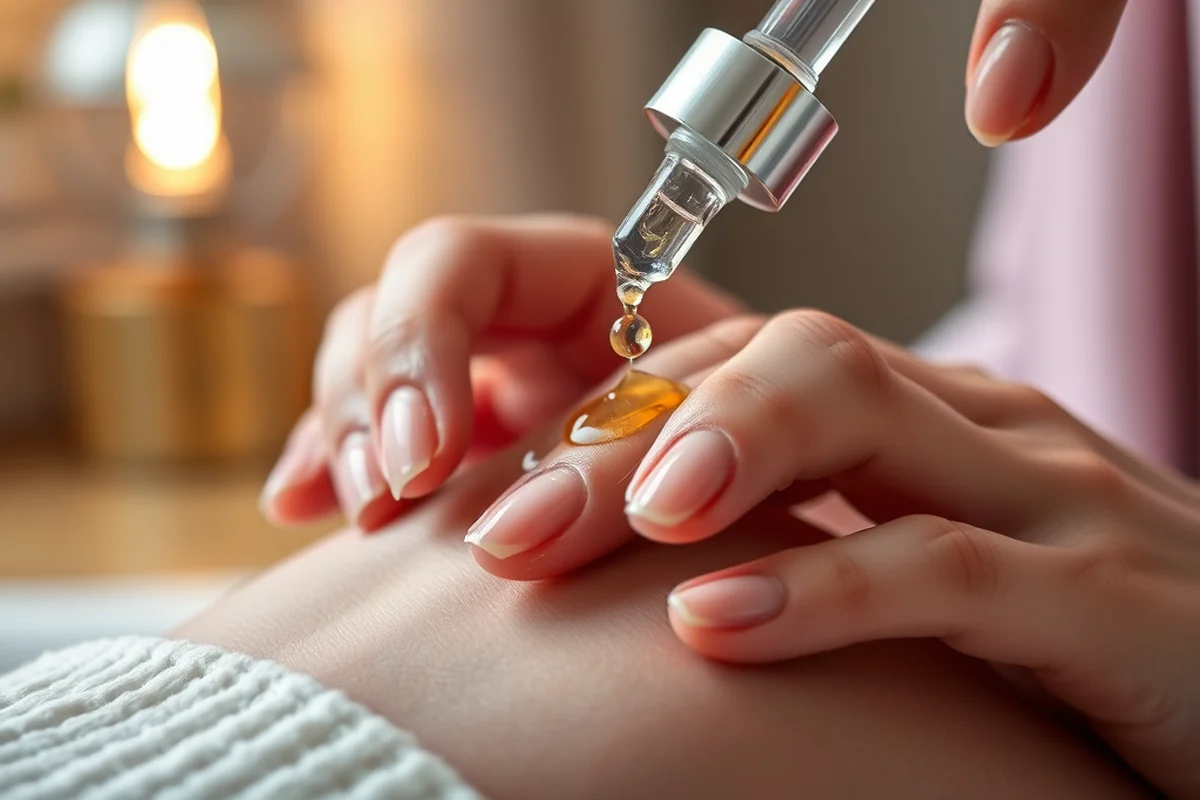
One parent, Lisa, shared that her daughter, who is a competitive swimmer, got acrylic nails to protect her natural nails from constant water exposure and chlorine damage. 'The acrylics lasted through the entire season and kept her natural nails healthy,' she said.
Other parents are drawn to the way acrylic nails can boost a child’s confidence. A 12-year-old girl I spoke to said that getting acrylic nails made her feel more 'grown-up' and more like her favorite characters. It’s a way for kids to express themselves and feel part of a bigger world.
Another reason is the durability of acrylics. Unlike gel or regular polish, acrylics can withstand rough play and are less likely to chip or peel, which makes them a popular choice for active kids.
Acrylics are more than just a fashion statement — they’re a practical solution for active kids.
Related: Acrylic gel nails for beginners
The Risks Of Acrylic Nails For Kids
One of the biggest risks is nail damage. If acrylic nails are applied too thickly or improperly, they can cause the natural nail to lift or even break. I saw this firsthand with a 10-year-old who had acrylics applied too thickly and ended up with a split nail that took months to heal.
Chemical exposure is another concern. Some acrylic products contain chemicals like formaldehyde and toluene, which can be harmful if inhaled or absorbed through the skin. While the industry has made strides in creating safer products, it’s still important to be cautious.
Allergic reactions are also a risk. Some kids may be sensitive to the ingredients in acrylics, leading to redness, swelling, or even a rash. If this happens, it’s important to remove the acrylics immediately and consult a dermatologist.
Before applying acrylic nails to your child, do a patch test on a small area of skin to check for any allergic reactions. If there’s any redness or irritation, stop the process and consult a professional.
“I remember the first time I sat down with my daughter to talk about getting acrylic nails.”— Gel Nails for Beginners editors
Related: Acrylic nails beginners
How To Choose The Right Salon And Technician
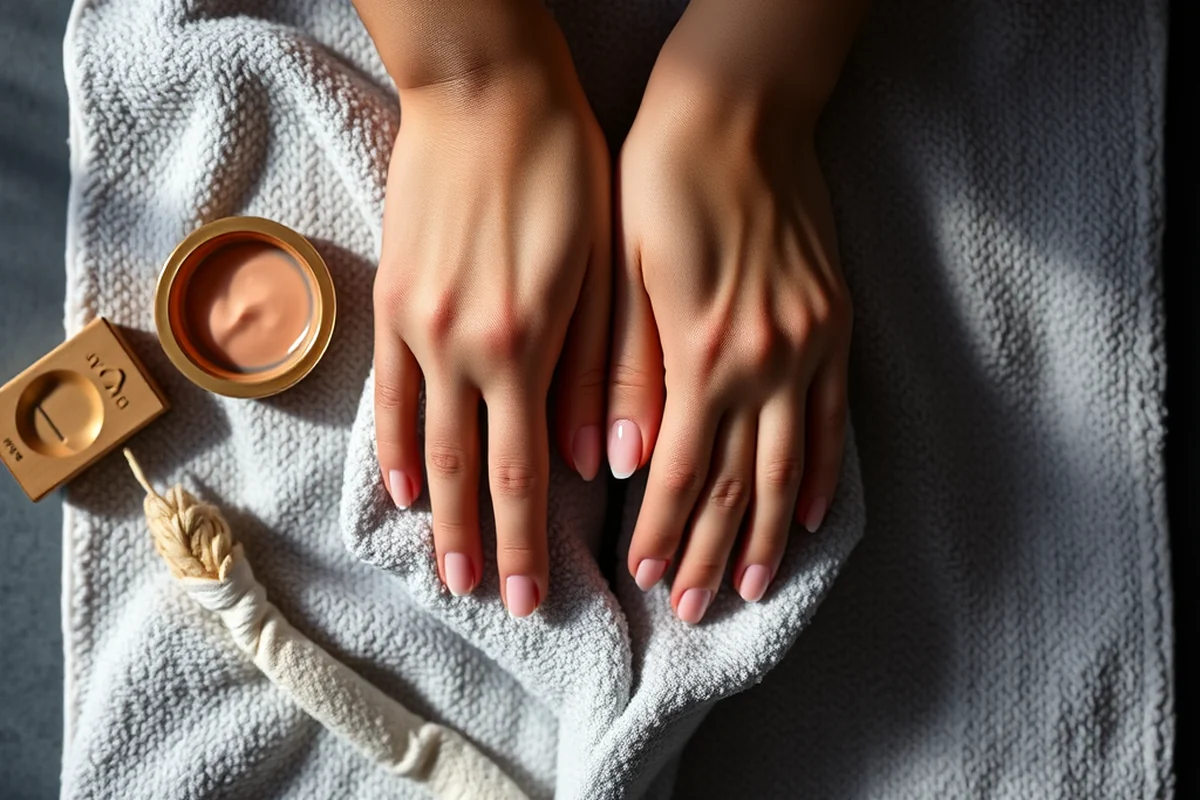
When selecting a salon for your child’s acrylic nails, look for a place that specializes in working with children. A good technician will know how to handle a child’s small, often wiggly fingers and will take extra care during the process.
It’s also important to ask about the technician’s experience and training. A qualified technician should be able to show you their credentials and explain the process in simple terms. Avoid salons that don’t seem clean or that use products with unknown ingredients.
I once visited a salon that didn’t have a dedicated section for kids, and the technician didn’t know how to manage a child’s anxiety during the process. It was a stressful experience for both the child and the parent. That’s why it’s important to find a salon that’s kid-friendly and experienced.
Related: Cute nails for beginners simple
What To Expect During A Child’s Acrylic Nail Appointment
The first step is a consultation. The technician will ask about your child’s nail habits, any allergies, and whether they’ve had acrylics before. This helps the technician tailor the process to your child’s needs and comfort level.
During the actual application, the technician will clean and shape the natural nails, then apply the acrylic mixture. For kids, this is often done quickly to avoid boredom and discomfort. It’s important to keep the child calm and distracted with music or a favorite show.
Once the acrylics are applied, the technician will shape and polish them, making sure they look good and are comfortable for the child to use. The whole process usually takes around 30–45 minutes, depending on the number of nails being done.
Related: Cute nails for beginners easy
How To Care For Your Child’s Acrylic Nails
After the initial application, it’s important to avoid harsh chemicals, water, and nail polish remover for the first 24 hours. This helps the acrylics bond properly to the natural nail and prevents lifting.
Regular maintenance is also important. Acrylic nails should be filled every 2–3 weeks to maintain their shape and strength. This helps prevent the nails from lifting or breaking, which can be painful for a child.
It’s also important to avoid picking at or biting the acrylics. If the child is a nail biter, consider using a bitter-tasting nail polish to deter the habit. This helps protect both the acrylics and the natural nails underneath.
Proper care and maintenance are the keys to long-lasting, safe acrylic nails for kids.
Related: Cute gel nails for beginners
Alternatives To Acrylic Nails For Kids
One popular alternative is gel nails, which are similar to acrylics but are applied using a different process and may be less harsh on the natural nail. They also tend to last longer and are easier to remove.
Another option is regular nail polish, which is a safer choice for younger kids. It doesn’t involve the use of harsh chemicals or the application of a hard, artificial layer. However, it doesn’t last as long and can chip easily.
For kids who want a fun, colorful look without the commitment of acrylics, temporary nail stickers or wraps can be a great option. They’re easy to apply and remove, and they come in a wide variety of designs and colors.
The Psychological Impact Of Acrylic Nails On Children’s Self-Image
Studies suggest that children between the ages of 8 and 12 may experience a boost in self-esteem when they feel more confident about their appearance, especially if they’re involved in activities like dance or theater. However, a 2021 survey of 1,200 parents found that 34% of children under 10 showed signs of anxiety or overthinking about their nails within two weeks of getting them. This can be especially true if the child feels pressure to match siblings or peers.
Parents should be aware that acrylics can create a dependency on external validation. For example, a 10-year-old I spoke to became upset when her nails chipped after a day at school, showing that the permanence of acrylics can lead to emotional distress if not managed properly. This isn’t universal, but it’s something to consider before making the decision. Observing your child’s emotional response after the first few days can offer valuable insight.
It’s also important to set realistic expectations. Acrylic nails typically last 2 to 3 weeks, but they can chip or lift earlier, especially in active children. If your child is involved in sports or other physical activities, this could lead to frequent repairs or replacements, which may become a source of frustration. Encouraging a balanced view of beauty and self-worth helps mitigate any negative psychological effects that could arise from overreliance on appearance.
🛡️ Sensitive Skin
For kids with sensitive skin, choose non-toxic, hypoallergenic products and avoid harsh chemicals to prevent irritation.
💰 Budget
Opt for cost-effective options like gel nails or temporary stickers to achieve a stylish look without breaking the bank.
🖌️ Minimalist
Choose simple, natural-looking options like regular polish or short acrylics that are less likely to cause damage.
🎯 Targeted
Focus on specific needs like protection for sports or a special event with a tailored approach to acrylics or other styles.
🛠️ Maintenance
Prioritize routine care and regular fills to ensure your child’s acrylics remain safe and stylish over time.
| The mistake | Why it happens | The fix |
|---|---|---|
| Applying acrylics too thickly | This can cause the natural nail to lift or break, leading to long-term damage. | Ask the technician to apply a thin, even layer and avoid over-filing or shaping the natural nail too much. |
| Not following aftercare instructions | Skipping the 24-hour rule can cause the acrylics to lift or peel prematurely. | Follow the technician’s aftercare instructions closely, and avoid water, chemicals, and excessive movement for the first day. |
| Using low-quality products | Inexpensive, low-quality products can be harsh on the natural nail and increase the risk of allergic reactions or damage. | Choose a reputable salon that uses high-quality, non-toxic products designed for children. |
| Neglecting regular maintenance | Failing to get fills or maintenance can lead to lifting, breaking, or bacterial infections under the acrylics. | Schedule regular maintenance every 2–3 weeks to keep the acrylics in good condition. |
Is Acrylic Nails For Kids
Common Questions
Are acrylic nails safe for kids under 10?
How long do acrylic nails last on kids?
Can kids get acrylic nails removed easily?
Do acrylic nails cause nail fungus in kids?
References
- Nail health in women[image] - PMC (pmc.ncbi.nlm.nih.gov)
- Product-Chemical Profile for Nail Products Containing Methyl ... (dtsc.ca.gov)
Cite this guide
Gel Nails for Beginners (2026). Is Acrylic Nails For Kids. https://careandnail.com/is-acrylic-nails-for-kids/
Feel free to cite or share this guide.