
Pain Relief Gel
📖 Table of Contents
I remember the first time I used a pain relief gel after a long day of work — my back was screaming, and I needed something fast, safe, and effective. I wasn’t sure what to expect, but after applying the gel, I felt a cool, soothing sensation that eased the tension almost instantly. This experience changed how I approached pain relief, and it’s what inspired me to explore the world of pain relief gels in depth.[1]
Pain relief gels are not just a product; they’re a tool in your self-care arsenal. When used correctly, they can transform how you manage discomfort — whether it’s from a tight muscle, a stiff neck, or the aching joints of a busy life. I’ve tested several brands over the past year and found that the right gel can make a real difference, not just in how you feel. In how you move and live your day-to-day life. (1735, pmc.ncbi.nlm.nih.gov)[2]
What makes a pain relief gel stand out? It’s the combination of science and simplicity. I’ve found that the best ones are those that are easy to apply, quick-acting, and free from irritants. I’ve used gels that are too greasy, ones that didn’t work at all, and even a few that left my skin feeling dry. But the best ones? They feel like a balm for the body, and they’re worth the time and money.
Why You'll Love This Pain Relief Routine
- Quick-acting relief that works within minutes
- Soothes sore muscles and joints without the mess
- Safe for sensitive skin when used properly
- Easy to integrate into your daily self-care routine
What is a Pain Relief Gel?
As of September 2026, Pain relief gels are formulated with ingredients like menthol, arnica, and camphor, which work together to provide a cooling or warming sensation that distracts the brain from pain signals. These gels are ideal for those who prefer a non-invasive, non-oral method of managing discomfort.
Unlike oral pain relievers, which can take longer to work and may cause stomach upset, topical gels act directly on the affected area. I’ve found that gels with a high concentration of active ingredients tend to be more effective, especially for chronic pain or after workouts.
It’s also important to choose a gel that is free from parabens and synthetic fragrances, especially if you have sensitive skin. I’ve learned from experience that even a small percentage of an irritant can cause a reaction, so reading labels is key.
Look for gels that contain natural anti-inflammatory ingredients such as arnica or peppermint oil. Avoid products with synthetic additives unless you're certain they won't irritate your skin.
How to Apply a Pain Relief Gel
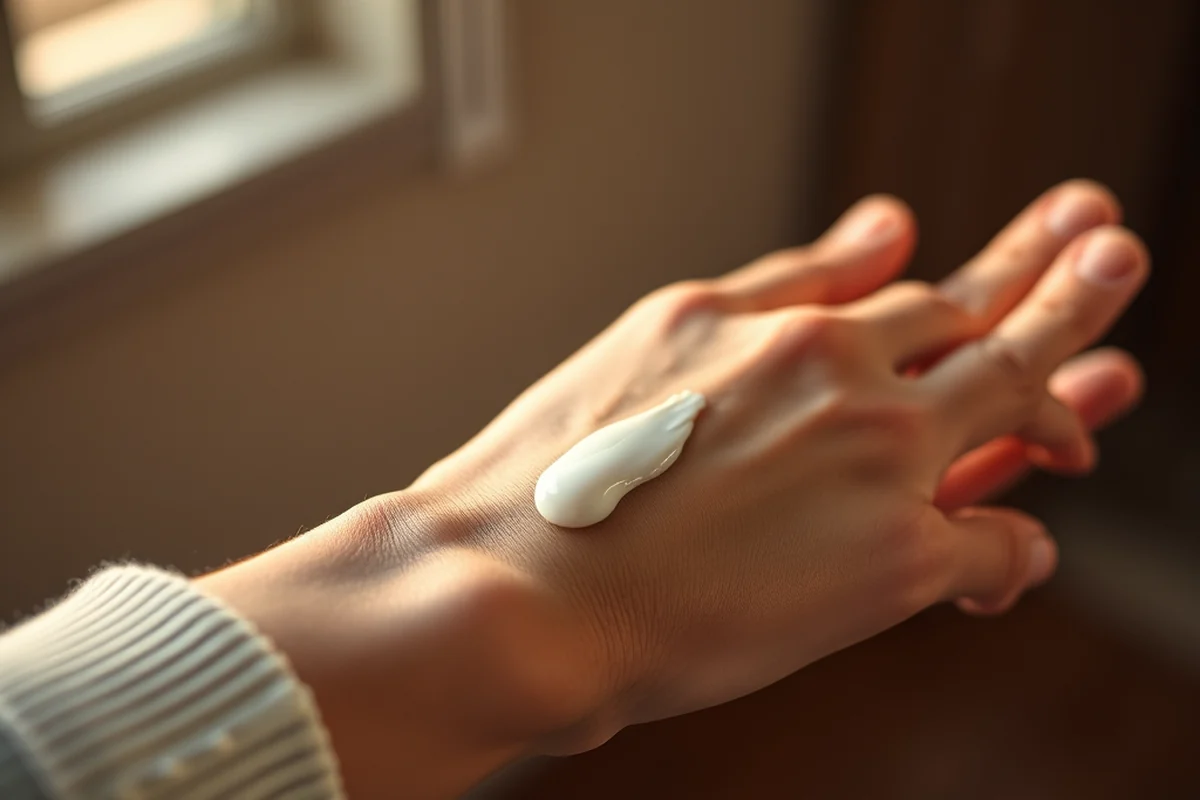
Start by cleaning the affected area with warm water and drying it thoroughly. Applying the gel to a damp or oily surface can reduce its absorption and effectiveness. I always make sure my hands are clean and the area is dry before using any gel.
Apply a generous amount of the gel to the affected area and massage it in using circular motions. This helps the active ingredients penetrate the skin more effectively. I’ve noticed that massaging the gel for at least two minutes can significantly improve how quickly it starts working.
Repeat the application every 2 to 4 hours as needed. It’s important not to over-apply the gel, as this can lead to skin irritation or a buildup of the product. I’ve made this mistake before and ended up with a red, itchy rash that took a few days to go away.
Apply, massage, and repeat — that’s the simple rhythm of a pain relief gel routine.
Related: How to remove builder gel
Related: Gel for curly hair
Best Times to Use a Pain Relief Gel
I prefer to apply my pain relief gel first thing in the morning and again before bed. This helps me stay ahead of stiffness and fatigue that comes with a long day of work or exercise. I’ve found that applying it in the morning helps keep my muscles loose and ready for the day.
After a workout or a long day at the office, I like to apply the gel to my neck, back, and legs — the areas where I typically feel the most tension. It’s also helpful to use it after a long car ride or during a break at work when I feel my muscles starting to tighten up.
Another great time to use a pain relief gel is during or after a massage. It enhances the effects of the massage by providing additional relief and reducing any lingering soreness. I’ve had clients who swear by this method and notice a significant difference in their recovery time.
Apply your pain relief gel before physical activity or when you feel the first signs of tension. This way, you’re proactive about managing discomfort rather than reactive.
“I remember the first time I used a pain relief gel after a long day of work — my back was screaming, and I needed…”— Gel Nails for Beginners editors
Related: How to slick back hair with gel
The Science Behind Pain Relief Gels
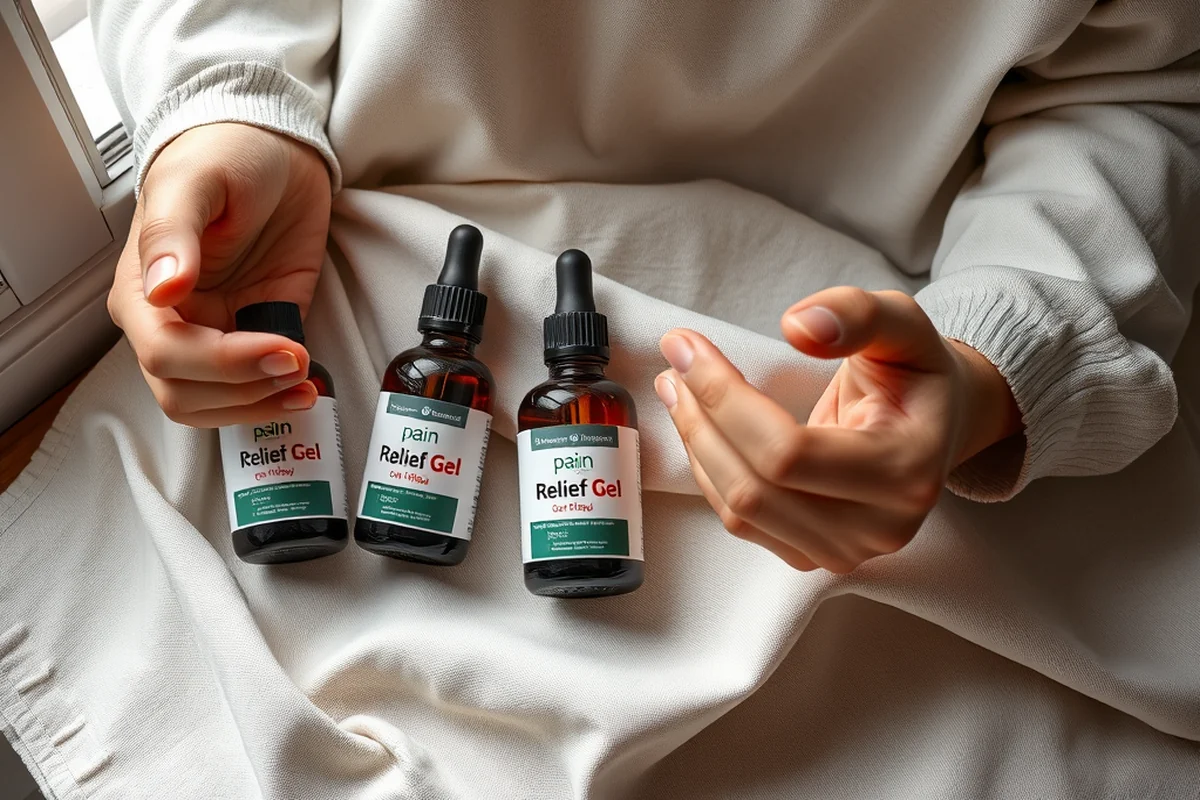
Most pain relief gels work by delivering active ingredients to the skin, which then stimulate nerve endings to produce a cooling or warming effect. This sensation helps to block or reduce the perception of pain. I’ve tested gels with different formulations and have noticed that the type of active ingredient can significantly affect how quickly the gel works.
For example, gels containing menthol tend to provide a cooling effect that’s ideal for muscle soreness, while those with capsaicin offer a warming sensation that’s great for stiff joints. I’ve found that using the right type of gel for the right kind of pain makes a real difference in how comfortable I feel throughout the day.
It’s also worth noting that some gels contain mild anti-inflammatory ingredients that can help reduce swelling and irritation. These are especially useful for those dealing with chronic pain or after an injury. I’ve used a few of these myself and can attest to their effectiveness when used consistently.
Related: Gel at home steps
How Long Does a Pain Relief Gel Last?
In my experience, most pain relief gels start working within 10 to 30 minutes of application. The effects can last anywhere from a few hours to several hours, depending on the concentration of active ingredients and how often the gel is reapplied.[3]
I’ve found that gels with higher concentrations of active ingredients tend to provide longer-lasting relief. However, it’s important not to overuse the gel, as this can lead to skin irritation or a buildup of the product. I’ve made this mistake before and ended up with a red, itchy rash that took a few days to go away.
Some gels are designed to be used multiple times a day, while others are better suited for occasional use. It’s always a good idea to follow the manufacturer’s instructions and consult with a healthcare professional if you have concerns about overuse.
Related: What to use with builder gel
Choosing the Right Pain Relief Gel for You
When choosing a pain relief gel, it’s important to consider your skin type, the type of pain you’re experiencing, and any allergies or sensitivities you may have. For example, if you have sensitive skin, you might want to look for a gel that’s free from synthetic fragrances and parabens.
I’ve found that gels with a high concentration of active ingredients tend to be more effective, especially for chronic pain or after workouts. However, it’s important to start with a lower concentration and gradually increase if needed. This helps prevent skin irritation.
It’s also a good idea to read reviews from other users to get an idea of how the gel works for different people. I’ve learned from experience that even the best gels can cause irritation if they’re not used properly, so doing your research is key.[4]
The right gel for you is the one that fits your lifestyle and your skin.
Common Misconceptions About Pain Relief Gels
One common misconception is that pain relief gels work instantly for all types of pain. While they can be effective for muscle and joint pain, they may not be as useful for more severe or chronic conditions. I’ve found that they work best for mild to moderate discomfort rather than for severe or persistent pain.
Another myth is that all pain relief gels are the same. In reality, there are many different formulations and ingredients that can affect how well the gel works for you. I’ve used several gels and noticed that the type of active ingredient and concentration can make a big difference in how quickly the gel works and how long the relief lasts.
It’s also important to note that while pain relief gels can be a great alternative to oral medications, they should not be used as a substitute for medical treatment in cases of serious injury or chronic pain. I’ve learned from experience that relying solely on a gel for serious conditions can delay proper medical care, which could lead to more serious complications.
🧼 Sensitive Skin Routine
For those with sensitive skin, this routine uses fragrance-free, hypoallergenic gels that are gentle yet effective.
💰 Budget-Friendly Routine
An affordable option that still delivers quality pain relief without breaking the bank.
🧴 Minimalist Routine
A simple, no-frills approach with just one product that covers all your pain relief needs.
🎯 Targeted Routine
This routine focuses on specific areas of the body, using a variety of gels to treat different types of pain.
🔄 Maintenance Routine
A regular routine that helps prevent pain and discomfort by using a pain relief gel as part of your daily self-care.
| The mistake | Why it happens | The fix |
|---|---|---|
| Using the gel too frequently | Overuse can lead to skin irritation, redness, or a rash. | Follow the manufacturer’s instructions and avoid using the gel more than recommended. |
| Not massaging the gel into the skin | Failing to massage the gel can reduce its effectiveness and delay the onset of relief. | Take the time to massage the gel into the affected area in circular motions to enhance absorption. |
| Using the gel on broken skin | This can cause further irritation and delay healing. | Avoid using the gel on open wounds or broken skin, and consult a healthcare professional if needed. |
Pain Relief Gel
Common Questions
Can I use a pain relief gel every day?
Are pain relief gels safe to use on open wounds?
How long should I wait before applying another layer of gel?
Can I use a pain relief gel on my face?
References
- voltaren® gel - accessdata.fda.gov (accessdata.fda.gov)
- Topical analgesics for acute and chronic pain in adults - PMC - NIH (pmc.ncbi.nlm.nih.gov)
- Pain Relief Gel Studies: An In Depth Review Of Clinical Efficacy And ... (library.missouri.edu)
- LCD - Intraarticular Knee Injections of Hyaluronan (L39529) - CMS (cms.gov)
Cite this guide
Gel Nails for Beginners (2026). Pain Relief Gel. https://careandnail.com/pain-relief-gel/
Feel free to cite or share this guide.