
Why Is Gel Nails Banned
📖 Table of Contents
I used to think gel nails were the ultimate beauty hack — long-lasting, chip-resistant, and perfect for those of us who never had time to redo our manicures every few days. That was until I started hearing rumors that gel nails were banned in some places. At first, I dismissed it as a myth, but as I began reading more, I realized there was truth behind the noise. It wasn't just about aesthetics; it was about health and safety.
So, I decided to dig into the facts. I spoke with nail technicians, read studies, and even tried a few different gel systems myself. What I learned was eye-opening. Gel nails are not banned everywhere, but in certain places, especially in countries with strict beauty regulations, they are restricted or regulated for specific reasons. The more I learned, the more I realized that the ban, when it exists, is not just about the product itself — it's about how it's applied, maintained, and removed.[1]
What I found was a mix of concerns: health risks associated with UV light exposure, potential damage to natural nails, and even environmental impact. It's not a simple 'gel nails are bad' story — it's nuanced. I'm not here to scare you away from gel nails, but I want to give you the full picture so you can make an informed decision. Whether you're a beginner or a seasoned nail lover, this is the information you need.
Why You'll Love This Article
- Learn the real reasons behind gel nail bans in various regions.
- Understand the health risks and how to mitigate them.
- Discover safer alternatives that still offer long-lasting results.
- Get practical tips for maintaining gel nails without harming your natural nails.
Why Are Gel Nails Banned in Some Places?
As of August 2026, in some places, like parts of Europe and the Middle East, gel nails are either banned outright or require a special license for technicians to apply them. This is often due to concerns over the UV lamps used during the curing process. Studies have shown that prolonged exposure to UV light can increase the risk of skin cancer, especially when applied to the hands and fingers, which are exposed directly to the light.[2]
In addition to UV concerns, the chemicals used in gel systems — such as methacrylates — have raised eyebrows among health officials. These chemicals are known irritants and can cause allergic reactions or respiratory issues when inhaled during the application process. That’s why some regions regulate the use of gel nails in salons, requiring proper ventilation and protective gear for both clients and technicians.
Another reason for the ban is the long-term damage gel nails can do to natural nails. Unlike traditional polish, gel is cured under UV light, which can dry out the natural nail plate. Over time, this can lead to brittleness, splitting, and even a condition called 'onycholysis,' where the nail separates from the nail bed. These risks have led some governments to reconsider allowing gel manicures in public spaces.
Apply a broad-spectrum UV blocking cream to your hands and fingers before a gel manicure to reduce exposure. It’s an easy step that can protect your skin without compromising the look of your nails.
Part of our Nails kids guide.
What Are the Real Health Risks?
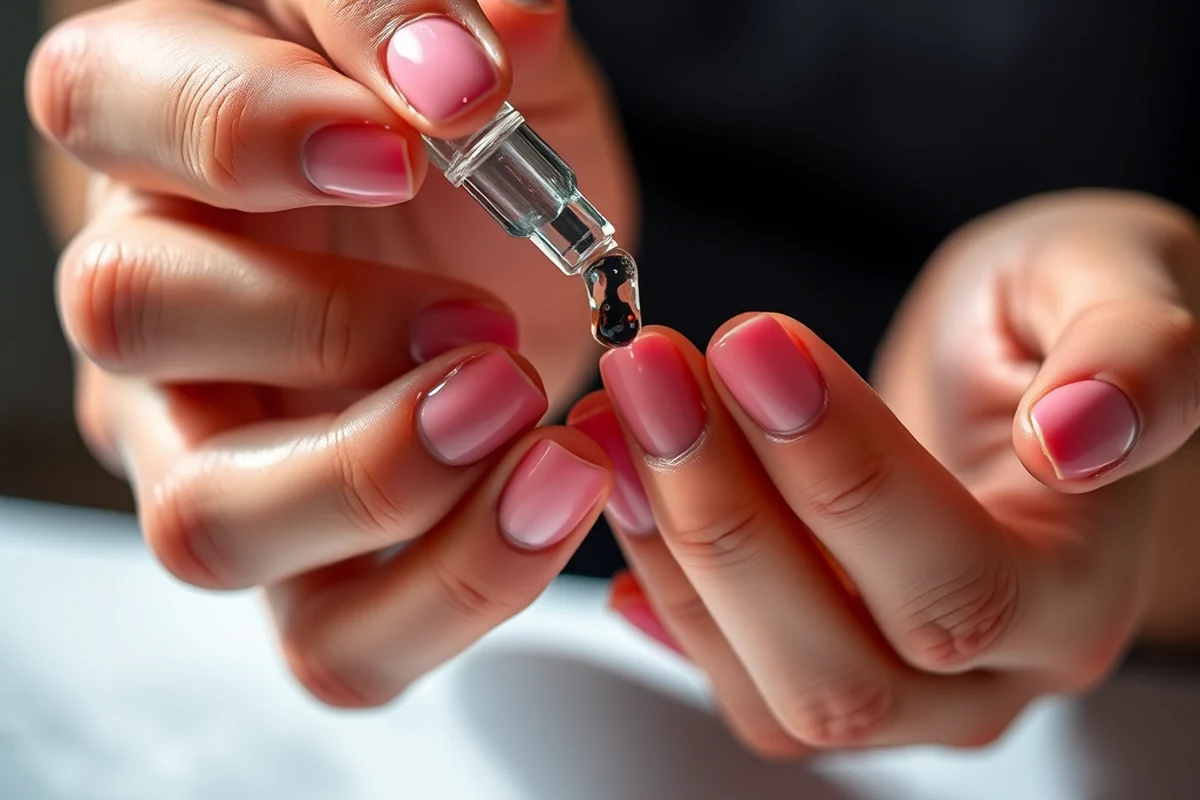
The UV lamps used to cure gel nails emit UVA rays, which are known to cause premature aging and increase the risk of skin cancer. While a single session might not be harmful, frequent manicures can add up. I’ve had clients tell me they’ve had their nails done every week for years, and they’re now concerned about their skin’s health.
In addition to UV exposure, the fumes from gel products can be irritating. Methacrylates and toluene are common ingredients that can cause respiratory issues, especially in poorly ventilated environments. This is why it’s important to choose salons that use proper ventilation systems or, if you’re doing it at home, ensure the room is well-ventilated.
Long-term use of gel nails can also weaken the natural nail. The UV light dries out the nail plate, making it brittle and prone to breakage. This is why I always recommend taking breaks between gel manicures and using strengthening products to protect your nails.[3]
“Gel nails are a beauty trend, but they're not without risks.”
Related: Budget gel nails
Related: Budget gel nails 2
Related: Why do gel nails bubble
Related: Why do gel nails peel off
Related: Gel nails for june 2026
Related: What Are Gel Nails Vs Acrylic Nails
Related: Three Nails Clothing
How to Mitigate the Risks
If you’re worried about UV exposure, using a UV blocking cream or gel is a simple solution. I recommend applying it before your manicure, especially if you’re getting your nails done in a salon. It’s also a good idea to avoid doing your nails on days when you’re going to be in the sun for long periods.[4]
Ventilation is another key factor. If you’re doing your nails at home, make sure the room is well-ventilated. Open windows, use a fan, or even a small air purifier can help reduce fumes. If you’re in a salon, ask them about their ventilation system — a good one is a sign of a professional establishment.
Taking breaks between gel manicures is also important. I suggest giving your nails a rest every 4 to 6 weeks to allow them to breathe and recover. During this time, switch to a regular polish or a more gentle option like a biodegradable gel that doesn’t require UV curing.
Giving your natural nails a break every few weeks can help prevent damage. Use this time to switch to a gentler product and let your nails recover.
“I used to think gel nails were the ultimate beauty hack — long-lasting, chip-resistant, and perfect for those of us who never had time to…”— Gel Nails for Beginners editors
What Are the Alternatives to Gel Nails?
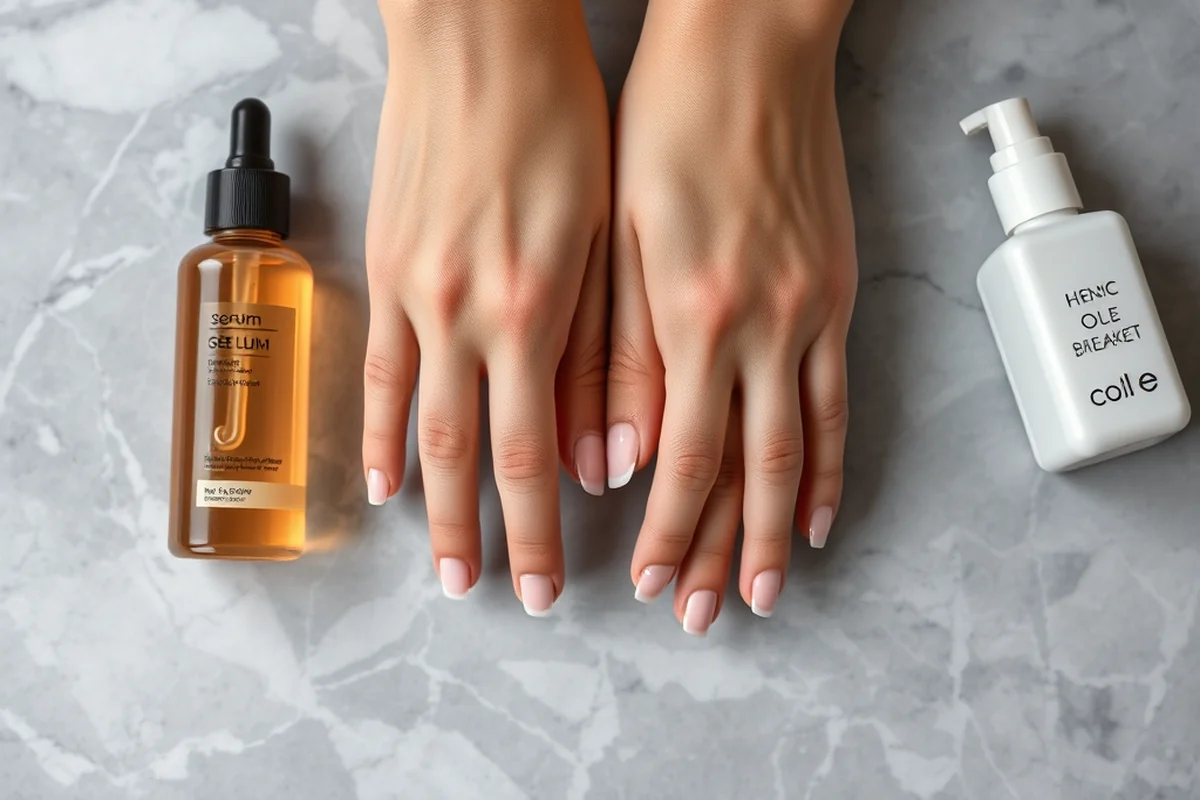
If you’re concerned about the risks of gel nails, there are safer alternatives. One option is biodegradable gel, which uses natural ingredients and doesn’t require UV curing. These gels are gentler on the nails and the environment, making them a great choice for eco-conscious beauty lovers.
Another alternative is traditional polish with a long-lasting formula. While it may not last as long as gel, a good polish with a built-in base coat and top coat can last up to a week. I’ve found that some brands now offer polishes that are just as chip-resistant as gel, without the UV exposure.
For those who want a more natural look, there are also options like shellac, which is a hybrid of gel and polish. It’s slightly less damaging than traditional gel but still offers a long-lasting finish. Just be sure to choose a reputable brand and follow proper application techniques.
The Environmental Impact of Gel Nails
Gel nails use a variety of chemicals, many of which are not biodegradable and can be harmful to the environment. These chemicals can leach into water systems when disposed of improperly, causing pollution. This is why some countries are starting to ban or regulate gel nails for environmental reasons.
Another environmental concern is the disposal of old gel manicures. Unlike traditional polish, which can be removed with a simple acetone soak, gel manicures require a special removal process that involves soaking in acetone for an extended period. This can be harsh on the nails and also produces a lot of waste from the removal process.
To reduce your environmental impact, consider using biodegradable gels or eco-friendly polish. These products are designed to be safer for the environment and are often made with natural ingredients. If you’re a salon owner, investing in a proper disposal system for old gel manicures can also help reduce your environmental footprint.
What You Should Know About Gel Removal
One of the biggest mistakes people make is using the wrong method to remove gel nails. Many try to use regular acetone or even nail polish remover, which can be too harsh and damage the natural nail. This can lead to thinning, splitting, or even peeling of the nail plate.
The correct way to remove gel nails is to use a professional-grade acetone soak and to follow the proper steps. This includes soaking the nails in acetone for the recommended time, using a gentle file to remove the top layer of gel, and avoiding excessive filing or picking at the gel.[5]
If you’re unsure about the removal process, it’s always best to go to a professional. A licensed nail technician can safely remove your gel nails without causing damage. They’ll also be able to offer tips on how to protect your natural nails after removal.
“Don’t rush the removal process — your nails are worth the time.”
How to Choose a Safe Gel Nail System
Not all gel nail systems are created equal. When choosing a product, look for one that is free from harmful chemicals like formaldehyde, toluene, and dibutyl phthalate (DBP). These ingredients are known irritants and can be harmful to both your health and the environment.
Another thing to look for is a product that is labeled as eco-friendly or biodegradable. These products are designed to be safer for the environment and are often made with natural ingredients. They also tend to be gentler on the natural nail, reducing the risk of damage.
Finally, it’s a good idea to choose a reputable brand that has been tested and approved by dermatologists or nail professionals. This can help ensure that you’re using a product that is both safe and effective.
🌸 Sensitive Skin
For those with sensitive skin, choose a gel system that is free from harsh chemicals and use a UV blocking cream before your manicure.
💰 Budget Friendly
Opt for affordable gel systems that offer long-lasting results without breaking the bank. Some budget-friendly options are just as effective as high-end products.
💅 Minimalist
If you prefer a minimalist look, choose a gel system that allows for easy customization and removal without damaging your natural nails.
🎯 Targeted
For those with specific nail concerns, such as brittleness or thinness, choose a gel system that includes strengthening ingredients and offers targeted protection.
🛠️ Maintenance
For those who want to maintain their nails between manicures, choose a gel system that allows for easy touch-ups and long-term use without frequent removal.
| The mistake | Why it happens | The fix |
|---|---|---|
| Not using proper UV protection | Failing to protect your skin from UV light during the curing process can increase the risk of skin damage and skin cancer. | Apply a broad-spectrum UV blocking cream before your manicure to reduce exposure. |
| Using the wrong removal method | Using the wrong method to remove gel nails can damage your natural nails and cause thinning or splitting. | Use a professional-grade acetone soak and follow the correct removal steps to protect your nails. |
| Ignoring ventilation | Poor ventilation during the application of gel nails can lead to respiratory issues from fumes. | Ensure the room is well-ventilated by using a fan or opening windows. |
| Overusing gel nails | Using gel nails too frequently can weaken your natural nails and lead to long-term damage. | Take breaks every 4 to 6 weeks and switch to a gentler product during this time. |
Why Is Gel Nails Banned
Common Questions
Are gel nails safe for long-term use?
Can gel nails cause skin cancer?
What are the alternatives to gel nails?
How often should I take breaks from gel nails?
Cite this guide
Gel Nails for Beginners (2026). Why Is Gel Nails Banned. https://careandnail.com/why-is-gel-nails-banned/
Feel free to cite or share this guide.
References
- Determination of Heavy Metals and Hydroquinone Contents in ... (academia.edu)
- Non-Petroleum Based Alternatives for Nail Polish Formulation (bcgc.berkeley.edu)
- Nail Salons – Control of Ethyl Methacrylate Exposures During ... - CDC (cdc.gov)
- ASTM F963 Requirements | CPSC.gov (cpsc.gov)
- NAIL COSMETICS - Deep Blue Repositories (deepblue.lib.umich.edu)