
How To Use Adapalene Gel For Beginners
📖 Table of Contents
- Understanding What Adapalene Gel Is and How It Works
- How to Apply Adapalene Gel for Beginners
- Common Side Effects and How to Manage Them
- When to Consult a Dermatologist
- How to Incorporate Adapalene Gel Into Your Skincare Routine
- How to Use Adapalene Gel for Beginners: A Step-by-Step Guide
- Expert Tips and Advanced Techniques
- Tools, Materials and Resources
- Tools, Materials and Resources
- Troubleshooting and Common Questions
- Troubleshooting and Common Questions
- Getting Started: Your First Steps
- Make It Your Way
- Frequently Asked Questions
If you're new to adapalene gel, you're not alone. This topical retinoid is a powerful tool for managing acne and improving skin texture, but its effectiveness hinges on proper use. Understanding how to use adapalene gel for beginners is the first step toward achieving clear, healthy skin.
Adapalene gel is a prescription medication that works by unclogging pores, reducing inflammation, and promoting cell turnover. It's especially popular among those with mild to moderate acne, but its use requires patience and precision to avoid irritation and achieve long-term results.
This guide will walk you through the essentials of using adapalene gel, from application techniques to common mistakes to avoid. Whether you're looking to clear up breakouts or improve your skin's overall appearance, knowing how to use adapalene gel for beginners is crucial to success.
Key Takeaways
- Start with a low concentration and apply it sparingly to avoid irritation.
- Always use a gentle cleanser and moisturizer to support your skin’s barrier.
- Be patient; results typically take 4–12 weeks to become visible.
- Avoid using adapalene gel on sensitive skin or in combination with harsh exfoliants.
Understanding What Adapalene Gel Is and How It Works
As of August 2026, Adapalene is a third-generation retinoid, which means it's less irritating than earlier versions like tretinoin. It's available in concentrations ranging from 0.1% to 0.3%, with lower concentrations being more suitable for beginners. According to a 2021 study published in the *Journal of Drugs in Dermatology*, adapalene is effective in treating comedonal acne in up to 85% of users after 12 weeks of consistent use.[1]
Unlike some other retinoids, adapalene is oil-soluble, which allows it to penetrate the skin more effectively. This property helps it target acne-causing bacteria and reduce inflammation. It also promotes the production of collagen, which can lead to smoother, more even-toned skin over time.
Note that adapalene is not a quick fix. It requires consistent use and can take several weeks to show noticeable results. Starting with a lower concentration and gradually increasing usage can help your skin adjust and minimize irritation.
How to Apply Adapalene Gel for Beginners
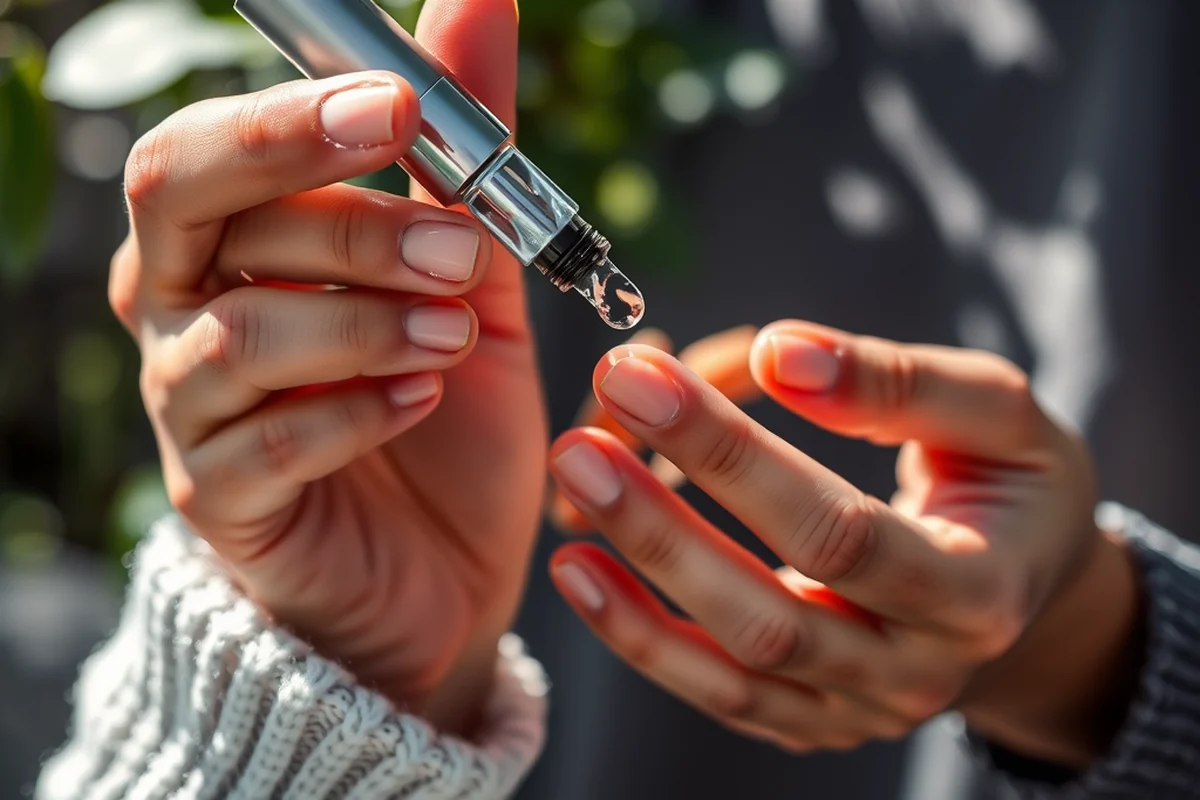
Begin by washing your face with a gentle, non-abrasive cleanser. Avoid using products that contain alcohol or harsh exfoliants, as these can increase skin sensitivity and irritation. Pat your skin dry with a clean towel before applying the gel.
Using a pea-sized amount of adapalene gel, apply it to the affected areas of your face. It's important not to over-apply, as this can lead to excessive dryness, redness, and peeling. A good rule of thumb is to use it once a day, preferably at night, when your skin is less likely to be exposed to environmental stressors.
After applying, it's essential to follow up with a non-comedogenic moisturizer. This helps to maintain the skin's moisture barrier and reduce the risk of irritation. If your skin becomes too dry or irritated, consider reducing the frequency of use or applying the gel every other day until your skin adjusts.
Related: How To Use Blooming Gel For Beginners
Related: Best Beginner Gel Lamp
Related: How To Apply Eyebrow Gel For Beginners
Related: Gels For Beginner Runners
Related: Do I Need A Lamp For Gel Nails
Related: How To Slick Back Hair With Gel
Related: What Is A Gel Manicure
Related: How To Use Builder Gel
Common Side Effects and How to Manage Them
Dryness and irritation are among the most common side effects when using adapalene gel, especially for those who are new to retinoids. According to the *American Academy of Dermatology*, approximately 25% of users experience mild to moderate irritation during the first few weeks of treatment.[2]
To manage dryness, it's essential to use a gentle, fragrance-free moisturizer every day. Applying a hydrating serum with ingredients like hyaluronic acid can also help replenish moisture. If your skin becomes overly dry or flaky, consider reducing the frequency of use or skipping a day to allow your skin to recover.
Redness and peeling can be minimized by starting with a lower concentration and gradually increasing usage as your skin builds tolerance. Avoid using other harsh skincare products during the initial weeks of treatment, as this can worsen irritation. If side effects persist or become severe, consult your dermatologist for further guidance.
“If you're new to adapalene gel, you're not alone.”— Gel Nails for Beginners editors
When to Consult a Dermatologist
If you're using adapalene gel as a beginner and notice that your skin is becoming excessively dry, red, or peeling, it's a sign that your skin is reacting poorly to the product. In such cases, it's important to consult a dermatologist to adjust your skincare routine or explore alternative treatments.
Adapalene is not recommended for individuals with sensitive skin, eczema, or rosacea. These conditions can be exacerbated by retinoids, leading to increased redness and discomfort. A dermatologist can recommend alternative treatments or suggest ways to use adapalene gel more safely.[3]
Also, if you're not seeing any improvement in your acne or skin texture after 8–12 weeks of consistent use, it may be time to speak with a dermatologist. There could be underlying factors contributing to your skin concerns that require a more tailored approach.[4]
How to Incorporate Adapalene Gel Into Your Skincare Routine
Adapalene gel should be used in the evening, after cleansing and before applying moisturizer. It's not recommended to use it during the day, as it can increase your skin's sensitivity to sunlight. If you must apply it during the day, always use a broad-spectrum sunscreen with an SPF of at least 30.[5]
It's important to avoid using other exfoliating products, such as alpha hydroxy acids (AHAs) or beta hydroxy acids (BHAs), while using adapalene gel. These ingredients can increase the risk of irritation and dryness. Stick to gentle, non-abrasive products during the initial weeks of treatment.
A simple skincare routine for beginners using adapalene gel might look like this: Cleanse with a gentle cleanser, apply adapalene gel, follow with a non-comedogenic moisturizer, and finish with sunscreen in the morning. This routine helps protect your skin while allowing adapalene to work effectively.
How to Use Adapalene Gel for Beginners: A Step-by-Step Guide
Step 1: Cleanse your face with a gentle, non-abrasive cleanser. Avoid using products that contain alcohol, sulfates, or other harsh ingredients that can strip your skin of its natural oils.
Step 2: Apply a small amount of adapalene gel—about the size of a pea—to the areas of your face that are affected by acne. Avoid applying it to your entire face, as this can increase the risk of irritation.
Step 3: Follow up with a non-comedogenic moisturizer to help soothe your skin and maintain its moisture barrier. This step is crucial, especially if you're new to retinoids and your skin is prone to dryness or sensitivity.
Expert Tips and Advanced Techniques
For those who have already seen initial improvements, incorporating adapalene into a more advanced skincare routine can boost results. Experts recommend using it in combination with non-comedogenic moisturizers and gentle exfoliants like chemical peels or low-concentration salicylic acid to enhance penetration and efficacy.
Advanced techniques include using adapalene in a short-term 'burst' regimen, applying it every other day for a few weeks before increasing frequency, which can help minimize irritation while still achieving benefits. This approach is especially useful for those with sensitive skin or those new to retinoids.
It's also important to pair adapalene with a broad-spectrum sunscreen daily, as retinoids can increase sun sensitivity. Also, using a hydrating serum can help maintain skin barrier integrity and reduce potential dryness or peeling.
Tools, Materials and Resources
To use adapalene gel effectively, you'll need a few key tools and materials. A clean, sterile applicator or cotton swab is essential for applying the gel precisely without transferring bacteria from your fingers to your face.
A non-comedogenic moisturizer is crucial to prevent irritation and maintain hydration, especially when using adapalene in the beginning stages. A mild, fragrance-free cleanser will also help ensure your skin is clean and prepped for the gel to work optimally.
Also, having access to educational resources like dermatologist-approved guides, skincare forums, or telehealth consultations can help beginners understand proper usage and troubleshoot any issues that arise during their skincare journey.
Troubleshooting and Common Questions
When starting with adapalene gel, it's not uncommon to experience some degree of dryness, redness, or mild irritation. These side effects are typically temporary and are a sign that the skin is adjusting to the retinoid. To minimize discomfort, it's recommended to start with a lower frequency of application, such as every other day, and gradually increase to nightly use as the skin builds tolerance.
If irritation becomes severe or persistent, it's important to pause use and consult a dermatologist. Common questions include whether adapalene can be used with other acne treatments, how long it takes to see results, and whether it's safe for sensitive skin. Always follow the guidance of a skincare professional and avoid combining adapalene with harsh exfoliants or other potentially irritating products unless advised otherwise.
Another common concern is whether adapalene gel can cause breakouts initially, which is sometimes referred to as a 'purging' phase. This usually resolves within a few weeks as the skin adjusts. Keeping the skin well-moisturized and using a gentle cleanser can help reduce the severity of these temporary side effects. If you have any doubts or questions about adapalene gel use, seeking professional advice is always the safest and most effective approach.
Getting Started: Your First Steps
Start by cleansing your face with a gentle, non-abrasive cleanser. Pat your skin dry and apply a small amount of adapalene gel to the affected areas. It's best to apply it at night, as it can make your skin more sensitive to sunlight.
Avoid using harsh skincare products or exfoliants while using adapalene gel, as they can increase the risk of irritation. Stick to mild, non-comedogenic products to support your skin's healing process.
Be patient and consistent with your routine. It may take several weeks for your skin to show improvement. If you have any concerns or experience unusual side effects, reach out to a dermatologist for guidance.
🌱 Beginner
The simplest version — minimal supplies, quick win.
💰 Budget
Same result using what you already have.
⚡ Quick
The 10-minute version for busy days.
✨ Advanced
The upgraded version once the basics stick.
| The mistake | Why it happens | The fix |
|---|---|---|
| Applying adapalene gel too frequently or in large amounts | Overuse can lead to excessive dryness, redness, and peeling, which may cause your skin to become more sensitive and prone to irritation. | Start with a low concentration and apply it once a day. Avoid using more than a pea-sized amount on any given area. |
| Using adapalene gel in combination with harsh exfoliants | Combining adapalene with AHAs or BHAs can increase the risk of irritation and damage your skin's moisture barrier. | Avoid using other exfoliating products while using adapalene gel. Stick to gentle, non-abrasive skincare products. |
| Not using a moisturizer after applying adapalene gel | Failing to moisturize after using adapalene can lead to dryness and increased sensitivity, which may cause your skin to react poorly to the treatment. | Always follow up with a non-comedogenic moisturizer to help soothe and protect your skin. |
how to use adapalene gel for beginners
Common Questions
How long does it take to see results from adapalene gel?
Can I use adapalene gel on my whole face?
Is adapalene gel safe for sensitive skin?
Can I use adapalene gel with other acne treatments?
References
- (PDF) Efficacy, safety, and tolerability of microsphere adapalene vs ... (academia.edu)
- DIFFERIN (adapalene gel) Gel, 0.1% Rx Only. - accessdata.fda.gov (accessdata.fda.gov)
- Trial | NCT04823845 - Clinical Drug Experience Knowledgebase (cdek.pharmacy.purdue.edu)
- Clinical End Point Study of Generic Adapalene and Benzoyl ... (clinicaltrials.gov)
- Comparison of adapalene 0.1% solution and tretinoin 0.025% gel in ... (deepblue.lib.umich.edu)
Cite this guide
Gel Nails for Beginners (2026). How To Use Adapalene Gel For Beginners. https://careandnail.com/how-to-use-adapalene-gel-for-beginners/
Feel free to cite or share this guide.