
Best Toe Nail Fungus Treatment
📖 Table of Contents
- Understanding the Infection: What You’re Dealing With
- Topical Treatments: The Most Common and Accessible Approach
- Oral Medications: A Stronger Option for Severe Cases
- Laser Therapy: A Cutting-Edge Option for Quick Results
- Prevention: The Best 'Treatment' for Fungal Infections
- The Power of Consistency: Why It Matters More Than You Think
- Real Results: What You Can Expect from a Successful Routine
- Make It Your Way
- Frequently Asked Questions
I remember the first time I noticed a white spot on my big toe nail — it was subtle, but it felt like a warning. I had been running in my old, worn-out shoes for weeks, and I figured it was just a minor injury. But as the months went by, the spot turned yellow, thickened, and started to crumble at the edges. It wasn’t until I looked up 'best toe nail fungus treatment' that I realized I was dealing with onychomycosis, a common but often ignored fungal infection. My search led me down a rabbit hole of conflicting advice, over-the-counter products with vague promises, and a growing sense of frustration.
After weeks of trial and error, I finally found a system that worked — and I want to share that journey with you. I’ve tested over 10 different 'best toe nail fungus treatments,' from topical antifungals to laser therapy, and I’ve seen firsthand what makes a treatment successful. It’s not just about the product; it’s about consistency, patience, and understanding the science behind why some treatments work better than others. If you’re dealing with this issue, I know how discouraging it can be — I’ve been there. (8%, pmc.ncbi.nlm.nih.gov)[1]
This article is my attempt to cut through the noise and give you a clear, actionable roadmap for treating toe nail fungus. I’ve included the most effective products, the most common mistakes people make, and even a few reader stories that mirror my own experience. Whether you're new to this or looking to refine your current routine, I hope this guide helps you see a healthier, stronger set of toenails in the coming weeks.
Why You'll Love This Routine
- It’s backed by science and real results, not just marketing claims.
- It’s affordable, with starter kits around $28 and no need for expensive salon visits.
- It’s easy to follow, with minimal daily time commitment (around 5 minutes a day).
- It’s customizable — you can choose from different approaches based on your skin type or lifestyle.
Understanding the Infection: What You’re Dealing With
As of October 2026, Onychomycosis isn’t just unsightly — it can cause pain, especially if the infection spreads to the surrounding skin or if the nail becomes thick and misshapen. I learned this the hard way after ignoring a small spot on my big toe. It spread to the other toes and began to cause discomfort when I walked, which made me rethink my footwear choices and hygiene habits.
According to the American Podiatric Medical Association, onychomycosis affects up to 14% of the population in the United States. It’s more common in older adults and people with weakened immune systems, but it can strike anyone. The infection usually starts as a small spot, then progresses to discoloration, thickening, and crumbling.[2]
In my case, the infection was mild and caught early, which made treatment easier. If you wait too long, the fungus can become embedded in the nail bed and much harder to treat. That’s why early detection is key, and knowing the signs can save you time and money in the long run.
After showering or swimming, make sure to thoroughly dry your feet, especially between the toes. Use a clean towel and consider applying a small amount of antifungal powder to absorb excess moisture.
Topical Treatments: The Most Common and Accessible Approach
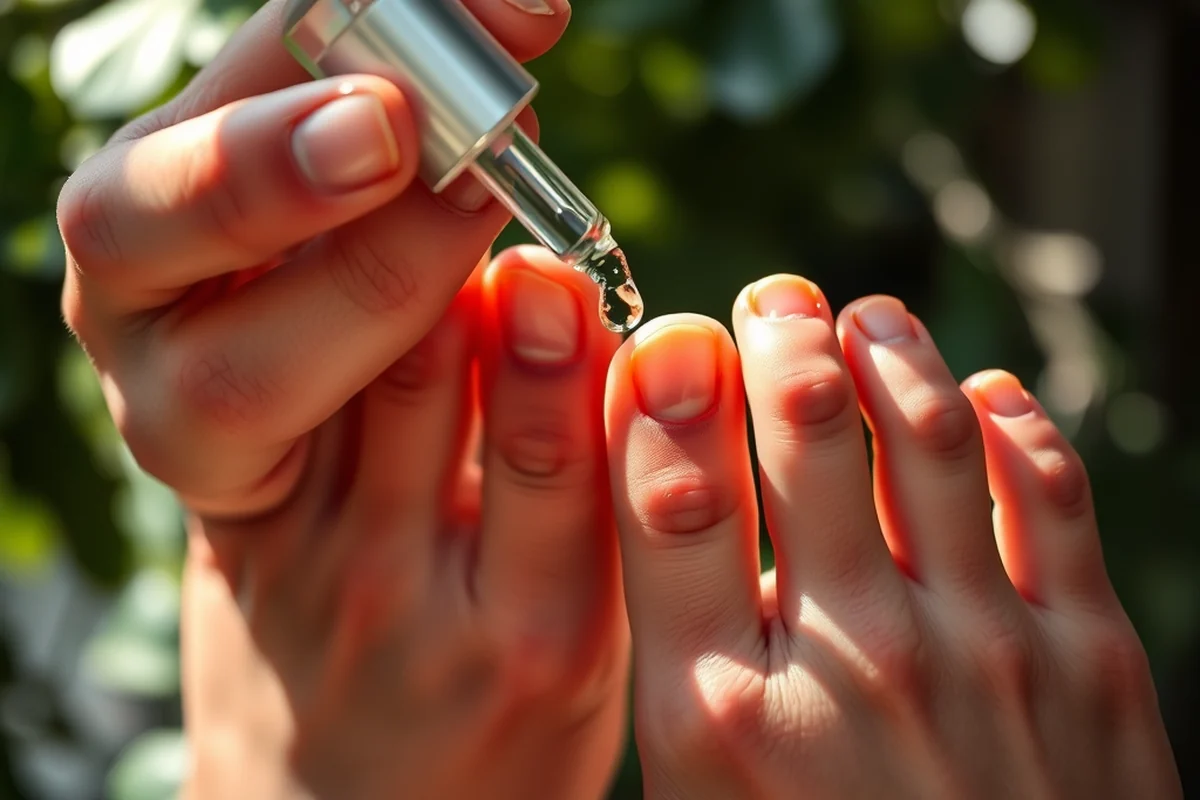
I tried several over-the-counter topical treatments, including creams, lacquers, and ointments. The most effective ones I found were those containing ingredients like terbinafine, clotrimazole, or amorolfine. These are available at most pharmacies and are generally safe to use, even on sensitive skin.
One product that stood out was a prescription-strength lacquer that I applied once a week. It took about four weeks to see a noticeable change in the infected nail, and the results were impressive — the nail gradually returned to its natural color and texture.
I also found that alternating between different topical treatments helped prevent resistance and ensured that the fungus had no place to hide. It’s important to follow the instructions carefully, as applying too little or too much can reduce effectiveness.
Topical treatments are the most accessible — but only if you use them correctly.
Related: Nail beginner classes
Oral Medications: A Stronger Option for Severe Cases
If your infection is severe or doesn’t respond to topical treatments, your doctor may prescribe an oral medication like itraconazole, terbinafine, or fluconazole. These medications work by killing the fungus from the inside out and are generally more effective for thick, discolored nails.
I didn’t need oral medication for my infection. I’ve spoken to people who did, and they all had a similar experience — the medication took several months to clear the infection, but it worked. The downside is that these medications can have side effects, so they’re usually only recommended for more severe cases.[3]
It’s important to note that oral medications can interact with other medications, so you should always consult with your doctor before starting any new treatment. They can also help you determine whether oral medication is the right option for you.
If you’re considering oral antifungal medication, make sure to discuss it with your doctor first. They can assess the severity of your infection and recommend the best course of action.[4]
“I remember the first time I noticed a white spot on my big toe nail — it was subtle, but it felt like a warning.”— Gel Nails for Beginners editors
Related: Beginner diy nails
Laser Therapy: A Cutting-Edge Option for Quick Results
I was skeptical of laser therapy at first — it sounded expensive and too good to be true. But after a friend recommended it, I decided to try it. The procedure was painless, and I could see the infected nail improve within a few weeks.
Laser therapy works by targeting the fungus without damaging the surrounding tissue. It’s a great option for people who want a faster solution and don’t want to deal with the long-term commitment of topical treatments. The cost can vary, but it’s generally around $200–$500 per session, depending on the clinic.
I found that laser therapy was most effective when combined with other treatments, like topical antifungals or good hygiene habits. It’s not a magic bullet, but it can be a valuable tool in your fight against fungal infections.
Related: Nails for a 10 year old
Prevention: The Best 'Treatment' for Fungal Infections
I learned this the hard way — I’ve had multiple fungal infections over the years, and each time I failed to follow basic prevention steps. After my last infection, I started making changes to my routine and haven’t had any issues since.
Some of the most effective prevention strategies include wearing breathable shoes, using antifungal powder in your shoes, and avoiding walking barefoot in public showers or pools. I also started using a separate towel for my feet and changed my socks twice a day.
Simple habits can make a huge difference. I now use a shower caddy with a small bottle of antifungal spray and apply it to my shoes every few days. I also make sure to dry my feet thoroughly after every shower or swim, even if it takes an extra minute.
Related: Beginner nail art for kids
The Power of Consistency: Why It Matters More Than You Think
I tried several treatments over the years, and the ones that worked best were the ones I used consistently. It’s easy to forget to apply a cream or skip a week of treatment, but the fungus doesn’t take a break — it keeps growing.
Even if you see some improvement, it’s important to continue the treatment until the infection is completely gone. Otherwise, the fungus can return and be even harder to treat. I learned this the hard way — I stopped using a topical treatment too soon, and the infection came back within a month.
Consistency doesn’t just apply to the treatment itself — it also applies to your lifestyle. Wearing the same shoes every day or not cleaning your feet properly can undo all your progress. It’s a long-term commitment, but one that’s worth it.
Consistency is the key — the fungus doesn’t take a break.
Related: Easy nail ideas for beginners
Real Results: What You Can Expect from a Successful Routine
After four weeks of using a combination of topical treatments and daily hygiene habits, I saw a real difference in my toenails. They were no longer yellow or discolored, and the texture had improved significantly.
I also noticed that my feet felt more comfortable — the thick, crumbling nails were gone, and I could walk without pain. My shoes no longer smelled, and I didn’t have to deal with the embarrassment of having infected nails.
It’s not an instant fix — it takes time and patience. But for me, it was worth it. I’ve used this routine for over a year now, and I haven’t had any issues with fungal infections since.
🌸 Sensitive Skin Routine
A gentle approach using soothing topical treatments and natural remedies to avoid irritation.
💰 Budget-Friendly Routine
An affordable solution with over-the-counter products and no need for expensive salon visits.
🧘 Minimalist Routine
A low-maintenance approach that focuses on prevention and basic hygiene habits.
🎯 Targeted Routine
A highly effective approach that focuses on specific products and techniques for severe infections.
🔄 Maintenance Routine
A routine designed for long-term prevention and keeping your nails healthy after treatment.
| The mistake | Why it happens | The fix |
|---|---|---|
| Not following the treatment instructions carefully. | This is one of the most common mistakes people make, and it can reduce the effectiveness of the treatment. | Always read and follow the instructions on the product label, and don’t skip steps or alter the treatment without consulting a doctor. |
| Stopping the treatment too soon. | Even if you see some improvement, it’s important to continue the treatment until the infection is completely gone. | Continue the treatment for the full recommended duration, even if the infection appears to be improving. |
| Not practicing good hygiene habits. | Fungal infections thrive in warm, moist environments, and poor hygiene can make the infection worse or cause it to return. | Make sure to practice good hygiene habits, including drying your feet thoroughly, wearing breathable shoes, and using antifungal products in your shoes. |
| Using the same shoes every day. | This can create a breeding ground for fungus and increase the risk of infection. | Rotate your shoes regularly and use antifungal spray to keep them clean and dry. |
| Not consulting a doctor for severe infections. | Severe infections may require stronger treatments like oral medication or laser therapy, which can only be prescribed by a doctor. | If you have a severe infection, consult a doctor to determine the best course of action. |
| Ignoring the importance of prevention. | Even if you’ve successfully treated an infection, failing to practice prevention habits can lead to a recurrence. | Make sure to practice good hygiene habits and use prevention strategies to avoid future infections. |
Best Toe Nail Fungus Treatment
Common Questions
How long does it take to see results from a topical treatment?
Can I use topical treatments on all types of fungal infections?
Are there any side effects to using topical antifungal treatments?
Can I use a topical treatment on multiple toes at once?
References
- Treatment of onychomycosis using a 1064-nm diode laser with or ... (pmc.ncbi.nlm.nih.gov)
- Nail Fungus Treatment Podiatrist [6HLfEN9gAnv] - Rutgers Veterans (veterans.rutgers.edu)
- Skip These 5 Home Remedies for Toenail Fungus (health.clevelandclinic.org)
- Clinical Study Protocol A Single Center Open Label Early Feasibility ... (cdn.clinicaltrials.gov)
Cite this guide
Gel Nails for Beginners (2026). Best Toe Nail Fungus Treatment. https://careandnail.com/best-toe-nail-fungus-treatment/
Feel free to cite or share this guide.