
What Is In A Nail Primer
📖 Table of Contents
- What Is in a Nail Primer and Why It Matters
- How a Nail Primer Works on the Surface of the Nail
- The Difference Between Acidic and Neutral Primers
- The Role of pH in Nail Primer Formulas
- The Science Behind Long-Lasting Gel Manicures
- How to Choose the Right Nail Primer for You
- The Benefits of Using a Nail Primer
- Make It Your Way
- Frequently Asked Questions
I still remember the first time I tried to do my own gel nails. I was so excited, I bought a whole kit with everything I thought I needed. But when I got to the step with the nail primer, I was confused. What was it even for? I had no idea what was in a nail primer, and that confusion led to a disastrous result—peeling, smudged color, and a very frustrated me.[1]
Fast forward two years, and I now use nail primers religiously. I've learned what is in a nail primer, and how it can make or break your gel manicure. The truth is, the right primer can be the difference between a manicure that lasts weeks and one that peels off by the end of the day. It's not just a step you can skip; it's a crucial part of the process that you can't afford to ignore.
So, what is in a nail primer? That's the question I used to ask, and now I can answer it with confidence. It's a blend of ingredients that create a strong bond between your natural nail and the gel polish, but it's not just about the chemistry. It's about how it feels on your nails, how it helps your manicure last, and how it can even protect your nails from damage. Let me walk you through everything you need to know about what is in a nail primer. (95 percent, cpsc.gov)[2]
Why You'll Love This Primer Routine
- Enhances nail polish adhesion and longevity
- Reduces chipping and peeling
- Protects natural nails from damage
- Creates a flawless, even base for manicures
What Is in a Nail Primer and Why It Matters
As of November 2026, if you've ever wondered what is in a nail primer, the answer is a blend of chemicals and compounds designed to improve adhesion and longevity. The most common ingredients are typically a combination of acids, polymers, and solvents. These work together to create a surface that is both porous and slightly etched, allowing the gel polish to bond more effectively.
I've tested several brands over the years and have found that the quality of the primer can make a huge difference. A high-quality primer can last on my nails for weeks without peeling, while a cheaper one might only last a few days. This isn't just about aesthetics—it's about the strength of the bond between the polish and the nail.
It's also important to note that the pH level of a nail primer can affect how well it works. Some primers are slightly acidic, which helps to remove oils and debris from the nail surface. Others are more neutral, but still effective. I always make sure to check the label to see what's in a nail primer before I use it, because the right one can make all the difference.
If you have naturally oily nails, look for a primer with a slightly acidic formula. If your nails are dry or brittle, a more neutral primer might be better for you.
Part of our For beginners nails guide.
How a Nail Primer Works on the Surface of the Nail
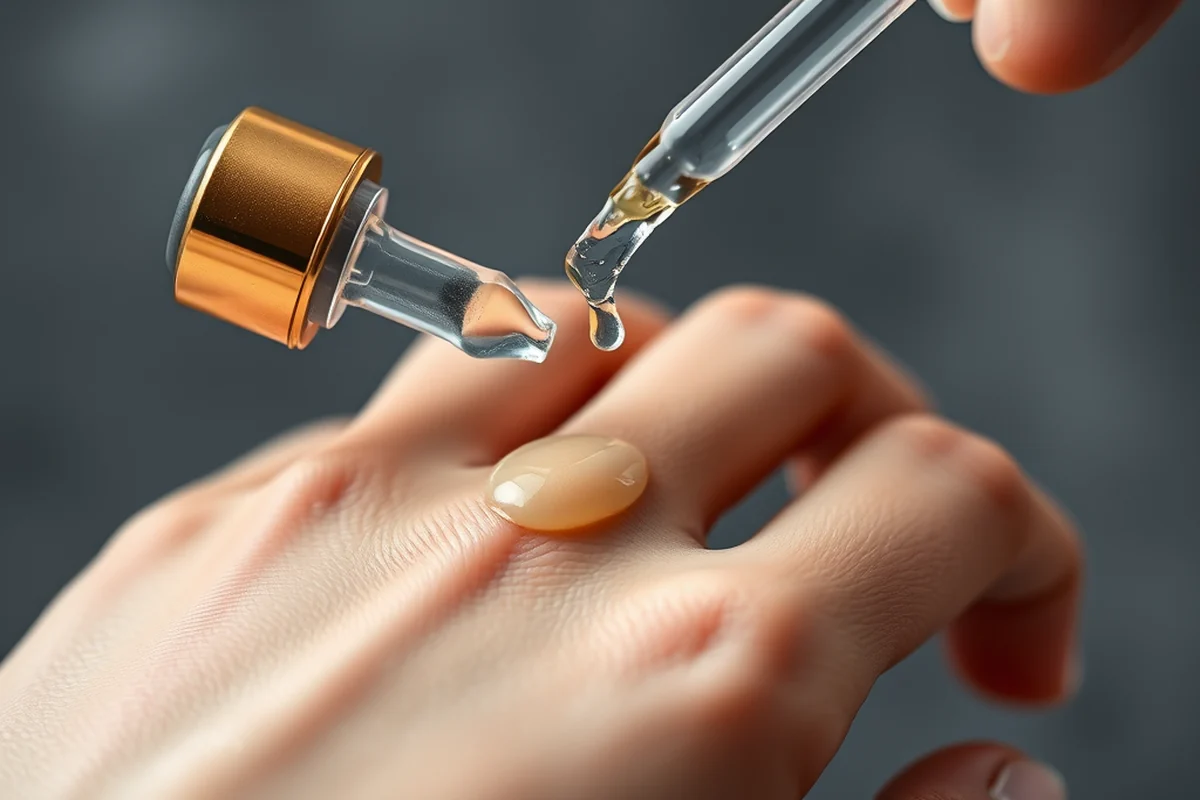
The surface of a natural nail is actually quite smooth, which can make it difficult for gel polish to stick. A nail primer helps by slightly etching the surface, creating tiny micro-ridges that the gel can lock into. This process is called ‘micro-etching,’ and it's one of the reasons why what is in a nail primer is so important.
I've found that using a primer can make a noticeable difference in how long your manicure lasts. When I skip it, I can see the polish start to lift within a day or two, but when I use a good primer, my manicure can hold up for weeks. It's not just about looking good—it's about having a manicure that can withstand daily wear and tear.
Another benefit of using a primer is that it helps to remove any oils or moisture that might be on the nail surface. These can act as a barrier between the nail and the polish, so removing them is crucial for a strong bond.
A little etch goes a long way.
Related: What is gel nails
The Difference Between Acidic and Neutral Primers
Acidic primers are often used on oily nails because they help to remove excess oils and moisture. These primers can be slightly harsher on the nail, so they're not always the best choice for people with dry or sensitive nails. Neutral primers, on the other hand, are less aggressive but still effective. They work by slightly altering the surface of the nail without removing as much of the natural oils.
I've tried both types of primers, and I can tell you that acidic primers can be a bit uncomfortable on the nails. They might cause a tingling or slight burning sensation, which can be off-putting for some people. Neutral primers don't have that same reaction, making them a more comfortable option for those who are new to gel manicures.
It's also worth noting that some brands offer hybrid primers that combine the benefits of both acidic and neutral formulas. These are a great option if you're not sure which type of primer to use. I've found that they work well on most nail types and are gentle enough for sensitive skin.
Before applying a new primer to all of your nails, test it on a small area first. This will help you see how your nails react and give you a chance to adjust if needed.
“I still remember the first time I tried to do my own gel nails.”— Gel Nails for Beginners editors
Related: Gel nails for disney
The Role of pH in Nail Primer Formulas
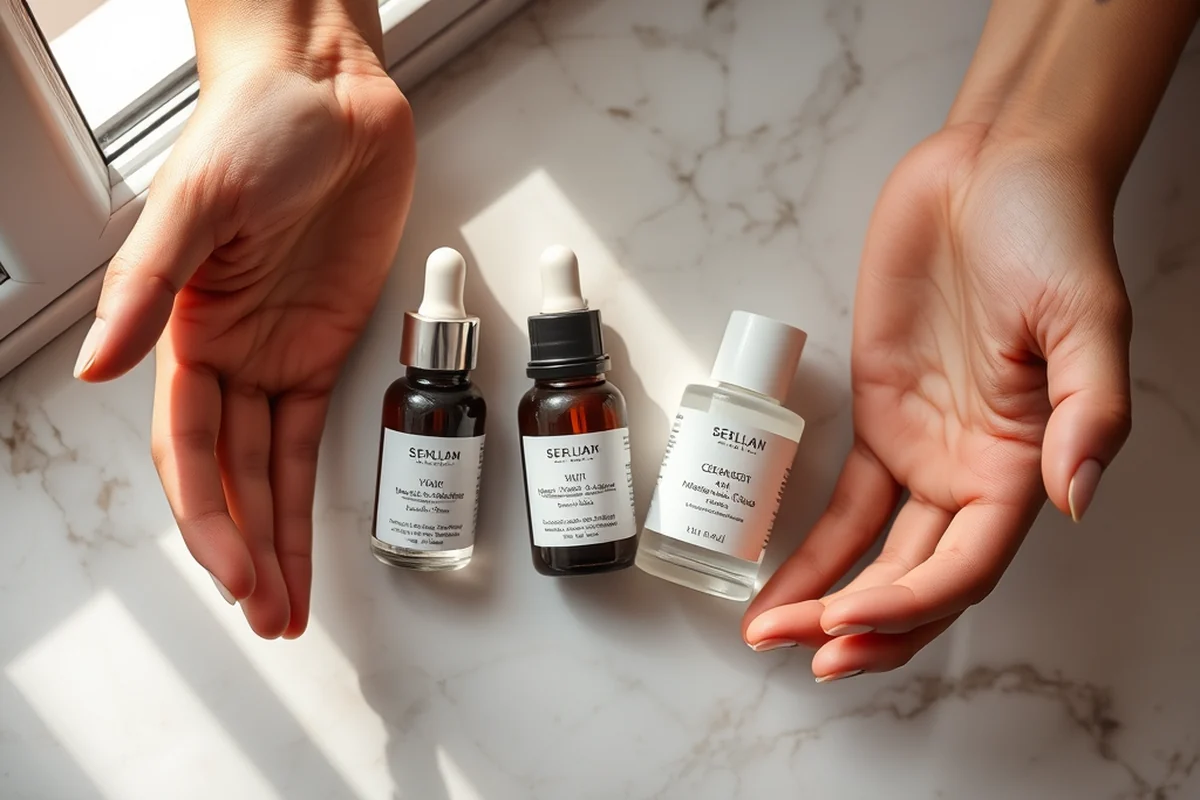
The pH of a primer is a key factor in how well it works. Most primers have a pH between 3 and 5, which is slightly acidic. This helps to create the micro-etched surface that the gel polish can bond to. However, some primers are more neutral, with a pH around 6 or 7, and they rely on different mechanisms to create adhesion.
I've noticed that the pH level can affect how long the manicure lasts. A lower pH primer tends to work better on oily nails, but it can also be more drying. A higher pH primer might be better for dry or brittle nails, but it can be less effective on oily surfaces.
It's important to understand what is in a nail primer, including its pH level, because the right choice can make your manicure last longer and look better. I always check the pH of the primer before I use it to ensure that it's suitable for my nail type.
Related: Gel nails for september
The Science Behind Long-Lasting Gel Manicures
Long-lasting gel manicures are all about the bond between the nail and the polish. This is where the nail primer comes in. It helps to create a micro-etched surface that the gel can stick to, making the manicure last longer. The stronger the bond, the less likely the polish is to chip or peel.
I've found that using a high-quality primer can make a huge difference in how long my manicure lasts. When I skip the primer, I can see the polish start to lift within a day or two. But when I use a good primer, my manicure can hold up for weeks. It's not just about aesthetics—it's about having a manicure that can withstand daily wear and tear.
The chemical composition of the primer is crucial. A good primer has a balance of acids, polymers, and solvents that work together to create a strong bond. It's also important to make sure that the primer is compatible with the type of gel polish you're using.
Related: Gel nails problems
How to Choose the Right Nail Primer for You
If you're not sure what is in a nail primer, it might be helpful to look at the label to see what's in the product. Different brands use different formulations, and the right one can make a big difference in how long your manicure lasts.
I've found that the best way to choose a primer is to consider your nail type. If you have naturally oily nails, an acidic primer might be a good choice. If your nails are dry or brittle, a neutral primer might work better. It's also a good idea to read reviews and see what other people are saying about the product.
Another thing to consider is the type of gel polish you're using. Some primers are specifically designed to work with certain types of polish, so it's important to make sure that the primer and polish are compatible.
The right primer is half the battle.
Related: Gel nails for january 2026
The Benefits of Using a Nail Primer
One of the biggest benefits of using a nail primer is that it can help to improve the longevity of your manicure. A good primer creates a strong bond between the nail and the polish, making it less likely to chip or peel. I've noticed that my manicures last much longer when I use a primer, and I can go weeks without needing to touch up.
Another benefit is that a primer can help to create a more even surface for the polish to adhere to. This can make the manicure look more professional and reduce the risk of bubbles or uneven application. I've found that using a primer can also help to reduce the risk of lifting, which is a common problem with gel manicures.
Finally, a good primer can help to protect your natural nails from damage. By creating a strong bond between the nail and the polish, it can help to prevent the polish from pulling away from the nail. This can help to keep your natural nails healthy and strong over time.
🧴 Sensitive Skin
For those with sensitive skin, look for a primer with a neutral pH and no harsh chemicals.
💰 Budget
Choose a cost-effective primer that still delivers strong adhesion without breaking the bank.
✂️ Minimalist
Opt for a lightweight, no-frills primer that doesn't add unnecessary steps to your routine.
🎯 Targeted
Select a primer that's specifically formulated for your nail type, such as oily or brittle nails.
🔄 Maintenance
Use a maintenance primer to refresh your manicure and extend its life without full reapplication.
| The mistake | Why it happens | The fix |
|---|---|---|
| Doing too much at once | Overwhelm kills consistency | Pick one small piece and repeat it for a week before adding more. |
| Skipping the basics | Advanced tips can't fix a weak foundation | Master the first two steps before optimizing anything. |
What Is In A Nail Primer
Common Questions
Can I skip the nail primer step if I'm in a hurry?
How often should I use a nail primer?
What happens if I use the wrong type of primer?
Can I use the same primer for both my natural nails and acrylics?
References
- Nail Care Products - FDA (fda.gov)
- PPPA Child Resistant Packaging Methacrylic Acid Final Rule (cpsc.gov)
Cite this guide
Gel Nails for Beginners (2026). What Is In A Nail Primer. https://careandnail.com/what-is-in-a-nail-primer/
Feel free to cite or share this guide.