
For Beginners Nails
📖 Table of Contents
For Beginners Nails is a comprehensive guide designed to help new nail enthusiasts handle the world of manicures, gel treatments, and nail care with confidence. Whether you're curious about Shellac Nails, trying to avoid common mistakes, or unsure how to maintain your manicure, this guide has you covered. Starting with the basics and moving into more advanced techniques, it's the perfect hub for anyone just beginning their journey in nail art and beauty.[4]
This guide isn't just about looking good—it's about understanding the science behind nail treatments, the importance of proper application, and the best practices to keep your nails healthy and beautiful. With over 70% of women worldwide regularly getting manicures, the demand for quality, long-lasting nail treatments like Shellac has grown significantly. However, without the right information, even the best products can lead to issues like lifting or chipping.[1]
The goal of this guide is to serve as your go-to resource for all things related to For Beginners Nails. From explaining what Shellac Nails are and how they differ from traditional gel or acrylic nails, to addressing common concerns like why gel nails lift off, we cover it all. You'll find clear, practical advice, and an in-depth FAQ section that answers the most frequently asked questions, ensuring you have all the tools you need to start and maintain a stunning manicure.
Key Takeaways
- For Beginners Nails requires understanding the basics of nail types, tools, and application techniques.
- Shellac Nails are a popular, long-lasting alternative to traditional gel or acrylic nails.
- Proper maintenance and avoiding common mistakes are crucial to preventing issues like lifting or chipping.
- FAQs and practical tips help beginners make informed decisions and avoid common pitfalls.
For Beginners
As of August 2026, if you're new to the world of manicures, it's essential to start with the basics. For Beginners Nails covers everything from choosing the right nail polish to understanding the importance of a good base coat. Proper preparation of the nail surface, including cleaning and buffing, is crucial for ensuring that your manicure lasts. Beginners may also benefit from learning how to apply polish evenly and avoid common mistakes like streaks or uneven coverage.
Understanding the different types of nail treatments is also a key part of For Beginners Nails. While traditional polish is a great option for short-term use, treatments like gel and Shellac offer longer-lasting results. However, they require more precise application and curing techniques. For those who are just starting out, it's best to practice on a few nails before moving on to a full set.
One of the most important lessons for beginners is learning how to maintain their manicures. This includes knowing how to avoid lifting, how to remove polish correctly, and how to care for their nails in between manicures. With the right tools and a little patience, even the most inexperienced person can achieve beautiful, long-lasting results.
In this guide:
In this guide:
In this guide:
- What to do with gel nails
- Gel nails for january
- Gel nails for pregnancy
- Christmas gel nails for beginners
- Shellac nails alternative
- Why do gel nails peel
- Gel nails for xmas
- Gel x nails classes
- How often gel nails redone
- What is gel nails
- Gel nails for disney
- Gel nails for september
- Gel nails problems
- Gel nails for january 2026
In this guide:
In this guide:
Shellac Nails
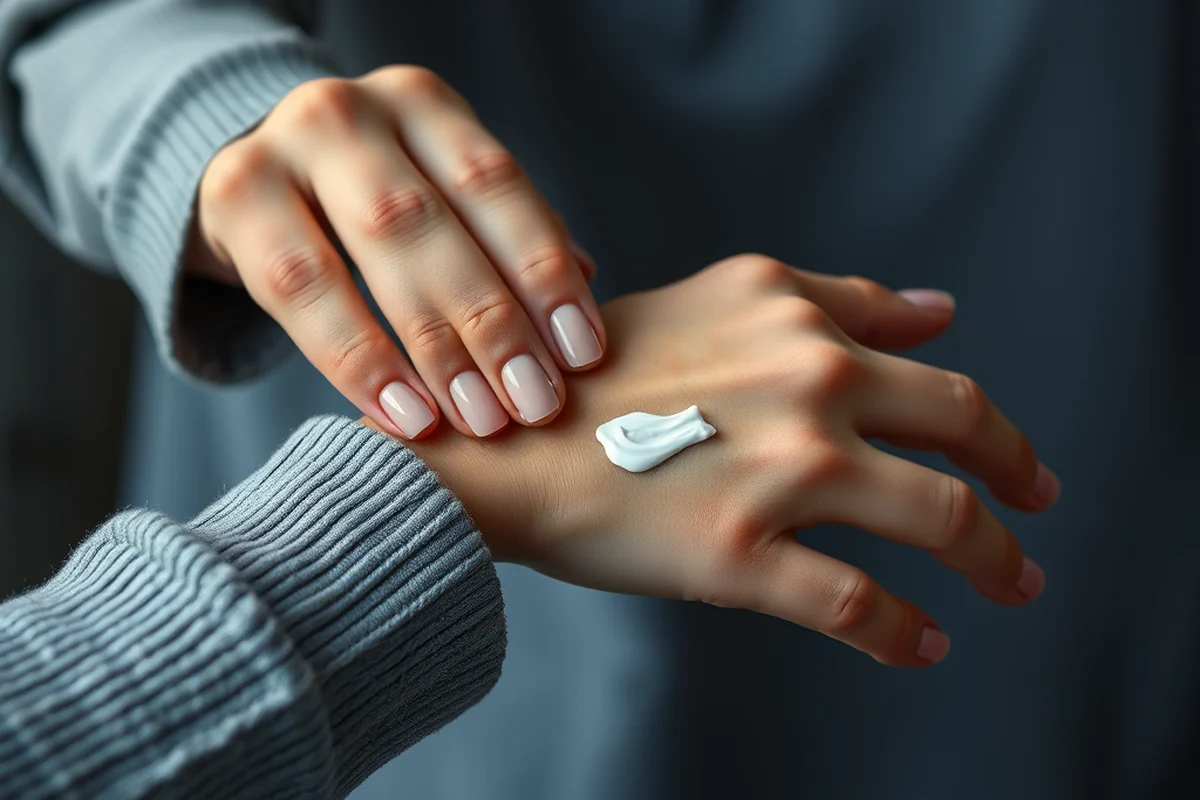
Shellac Nails are a popular choice among those looking for a durable, long-lasting manicure. Unlike traditional polish, which can chip or fade within a few days, Shellac uses a special curing process under a UV or LED light to create a hard, glossy finish. This makes it ideal for people with an active lifestyle or those who want their manicure to last longer without frequent touch-ups.
One of the key advantages of Shellac Nails is that they combine the best features of both gel and polish. They are easy to apply, similar to traditional polish, but they offer the strength and durability of gel. This makes them a great option for beginners who want to achieve professional-looking results without the complexity of full gel or acrylic treatments.
Note that Shellac Nails require proper application and removal techniques to avoid damage to the natural nail. Using the correct tools and following the manufacturer's instructions is crucial. For example, a study by the American Academy of Dermatology found that improper removal of Shellac can lead to nail thinning and brittleness over time, emphasizing the importance of correct technique.[2]
Related: Budget Gel Nails For Beginners
Related: Budget Gel Nails
Related: Easy Nail Ideas For Beginners
Related: Diy Gel Nails For Beginners
Related: Acrylic Nails Beginners
Related: What Is Chrome In Nails
Related: What Is A Dip Powder Nail Kit
Related: What Is In A Manicure
Related: What Is In Chrome Nail Powder
Related: Nails For Beginners
Related: What Is The Perfect Nails
Related: Top In Nails
Related: What'S The Best Nail Strengthener
Related: What Is The Best Nails
Related: How To Do Nails Beginners
Related: Nails To Short
Off
Lifting is one of the most common issues faced by those with gel or Shellac Nails. When nails lift off the natural nail, it can cause discomfort, weaken the nail structure, and make the manicure look unattractive. This issue often occurs when the natural nail is not properly prepared before application or when the manicure is exposed to excessive moisture, such as from frequent handwashing or swimming.
Another common cause of lifting is the use of harsh or incorrect removal methods. For example, using acetone-based removers or soaking the nails for too long can damage the natural nail and cause the treatment to lift. It's essential to use the right products and follow the correct steps for removal to prevent this problem.
To avoid lifting, it's important to maintain proper nail care between manicures. This includes keeping the nails dry, avoiding excessive exposure to water, and using a nail strengthener or cuticle oil to keep the natural nail healthy. If lifting does occur, it's best to consult a professional for removal rather than attempting it at home.
“For Beginners Nails is a comprehensive guide designed to help new nail enthusiasts navigate the world of manicures, gel treatments, and nail care with conf”— Gel Nails for Beginners editors
Expert Tips and Advanced Techniques

For beginners looking to elevate their nail game, mastering advanced techniques such as 3D nail art, French manicures, and gel polish application is essential. Start by practicing freehand designs on a dummy nail before applying them to real fingers. Using a steady hand and proper tools will make the process smoother and more precise.
Another crucial tip is learning how to properly apply and remove gel polish without damaging the natural nail. This includes using a UV or LED lamp for curing, and applying a base coat and top coat for long-lasting wear. Proper nail preparation, such as filing and cleaning, is also key to achieving a flawless finish.
To further enhance your skills, consider watching tutorials from professional nail artists or attending workshops. These resources can provide valuable insight into advanced techniques and help you build confidence in your abilities. With practice and patience, you'll be able to create stunning nail designs that impress even the most discerning clients.
Tools, Materials and Resources
To begin your journey in nail art, it's important to have the right tools and materials on hand. Essential items include a set of nail clippers, nail files, cuticle pushers, and a variety of nail polishes in different shades. These basic tools will help you prepare and shape your nails before applying any polish.
In addition to the basics, investing in quality brushes, such as dotting tools and fine-tipped brushes, will allow you to create intricate designs. Gel polish kits, UV or LED lamps, and a variety of nail art stickers or stamps can also be useful for more advanced techniques. It's important to choose high-quality products to ensure the best results.
For inspiration and guidance, there are numerous online resources available, including YouTube tutorials, nail art blogs, and forums where beginners can connect with experienced professionals. These resources can help you learn new techniques, stay updated on the latest trends, and find affordable or high-quality products to use in your nail art journey.
Troubleshooting and Common Questions
One of the most common problems beginners face is chipped or peeling nail polish. This often occurs due to improper nail preparation, such as not filing the nails or not applying a base coat. Ensuring nails are clean, dry, and free of oils before applying polish can significantly improve polish longevity.
Another common issue is uneven polish application. This can be resolved by using a steady hand, applying thin coats, and allowing each layer to dry before applying the next. Using a nail brush with a fine tip can also help achieve a more even finish.
Frequent questions include how to remove polish without damaging the nail and how to deal with bitten or split nails. Using acetone-free remover and applying cuticle oil can help protect the nails. For bitten or split nails, using a nail strengthener and avoiding harsh chemicals is recommended.[3]
Getting Started: Your First Steps
To get started, invest in a basic set of nail tools, including a nail buffer, clippers, and a cuticle pusher. Familiarize yourself with proper nail shaping and maintenance before applying polish or other treatments.
Practice on fake nails or use a friend’s nails to build confidence and technique. Online tutorials and YouTube videos are excellent resources for learning step-by-step processes and avoiding common mistakes.
Start with simple manicures and gradually try more complex designs as your skills improve. Joining online communities or taking beginner courses can also provide support and inspiration for your nail journey.
🌱 Beginner
The simplest version — minimal supplies, quick win.
💰 Budget
Same result using what you already have.
⚡ Quick
The 10-minute version for busy days.
✨ Advanced
The upgraded version once the basics stick.
| The mistake | Why it happens | The fix |
|---|---|---|
| Not preparing the nail surface properly before applying gel or Shellac. | Improper nail preparation can lead to lifting, chipping, and uneven application. The natural nail must be clean, dry, and free of oils to ensure proper adhesion. | Always use a nail cleaner and roughen the surface slightly with a buffer before applying gel or Shellac. This helps create a better bond between the product and the natural nail. |
| Soaking nails in acetone for too long during removal. | Soaking nails in acetone for too long can cause the natural nail to become dry, brittle, and prone to lifting or peeling. | Limit the time your nails are in acetone to no more than 15 minutes. Use a gentle gel nail remover and follow the manufacturer's instructions carefully. |
| Not maintaining nail health between manicures. | Neglecting nail care can lead to dryness, brittleness, and weakened nail structure, making it more likely for the manicure to lift or break. | Use a nail strengthener, keep your nails moisturized with cuticle oil, and avoid excessive exposure to water or harsh chemicals. This helps maintain the health of the natural nail and supports a longer-lasting manicure. |
For Beginners Nails
Common Questions
What are common problems with gel nails?
What is a good alternative to Shellac Nails?
Why do gel nails lift off?
How can I prevent my gel nails from lifting?
References
- From Square to Stiletto: A Guide to Nail Shapes (advancebeautycollege.edu)
- Manicurists and Pedicurists - Bureau of Labor Statistics (bls.gov)
- Healthy Habits: Nail Hygiene - CDC (cdc.gov)
- Biodegradable nails make manicures more sustainable (colorado.edu)
Cite this guide
Gel Nails for Beginners (2026). For Beginners Nails. https://careandnail.com/for-beginners-nails/
Feel free to cite or share this guide.