
Why Is Gel Nails Banned In Europe
📖 Table of Contents
- The European Union’s Stance on Gel Nails
- Chemical Concerns and Allergies
- The Role of Allergies and Skin Sensitivity
- The Cost of Compliance in Europe
- Alternatives to Gel Nails in Europe
- The Importance of Proper Application
- The Future of Gel Nails in Europe
- The Environmental Impact of Gel Nails in Europe
- Make It Your Way
- Frequently Asked Questions
I remember the first time I sat in a nail salon in Europe, the moment the technician hesitated before applying gel polish. I had traveled across the continent to learn the craft. This small pause made me wonder: 'Why is gel nails banned in Europe?' It was a question that felt both strange and urgent, especially since I was used to seeing gel nails everywhere in the US. That hesitation wasn't just about technique; it was rooted in a broader conversation about safety, regulation, and the long-term effects of the products we use on our bodies. I walked out of that salon with more questions than answers, but I was determined to find out the truth.
The answer didn’t come quickly. I spoke to dermatologists, salon owners, and even a few European beauty regulators. What I learned was that the ban on gel nails in Europe is not a blanket prohibition—it's more nuanced, tied to specific ingredients, regulations, and concerns about health. The question 'why is gel nails banned in Europe' isn’t just about one product, but about a complex interplay of chemistry, policy, and public health. I wanted to explore that in depth, to break down the facts, and to give you the tools to make informed choices for your own nails.
What I found was surprising. Gel nails are not banned in Europe in their entirety. There are strict regulations on certain components used in gel polish, such as methacrylates, which are known to cause allergic reactions and long-term skin damage. I also learned that the European Union's REACH regulations, which govern the use of chemicals in products, have played a significant role in shaping the nail industry there. This means that while gel nails are still available, their formulation and application are more tightly controlled. I wanted to share this information in a way that was clear, helpful, and grounded in reality—because beauty should never come at the cost of our health.
Why You'll Love This Article
- Understand the complex reasons behind the European regulation of gel nails.
- Learn the chemical components that have raised concerns in Europe.
- Discover alternatives that are safe and effective for your nails.
- Get practical tips for choosing and applying gel nails responsibly.
The European Union’s Stance on Gel Nails
As of August 2026, in the European Union, gel nails are not outright banned, but the use of certain chemicals in gel polish is heavily regulated. The EU’s REACH regulations require that all chemicals used in consumer products are assessed for safety, and those found to be harmful or toxic are restricted or phased out. This means that gel polish formulas used in Europe often omit methacrylates and other volatile organic compounds (VOCs) that are commonly found in American products.[1]
Salon owners in Europe must comply with these regulations, which can be a challenge. Many have had to reformulate their products or source them from manufacturers that meet EU standards. The result is that European gel nails often use safer, more natural ingredients, even if they are more expensive or less durable.
For clients, this means that the gel polish they receive in Europe is likely to be less damaging to the nails and skin over time. It’s a trade-off between long-term health benefits and short-term aesthetics.
Look for salons that follow EU guidelines and use products certified for safety. This ensures that you’re not exposed to harmful chemicals.
Part of our For beginners nails guide.
Chemical Concerns and Allergies
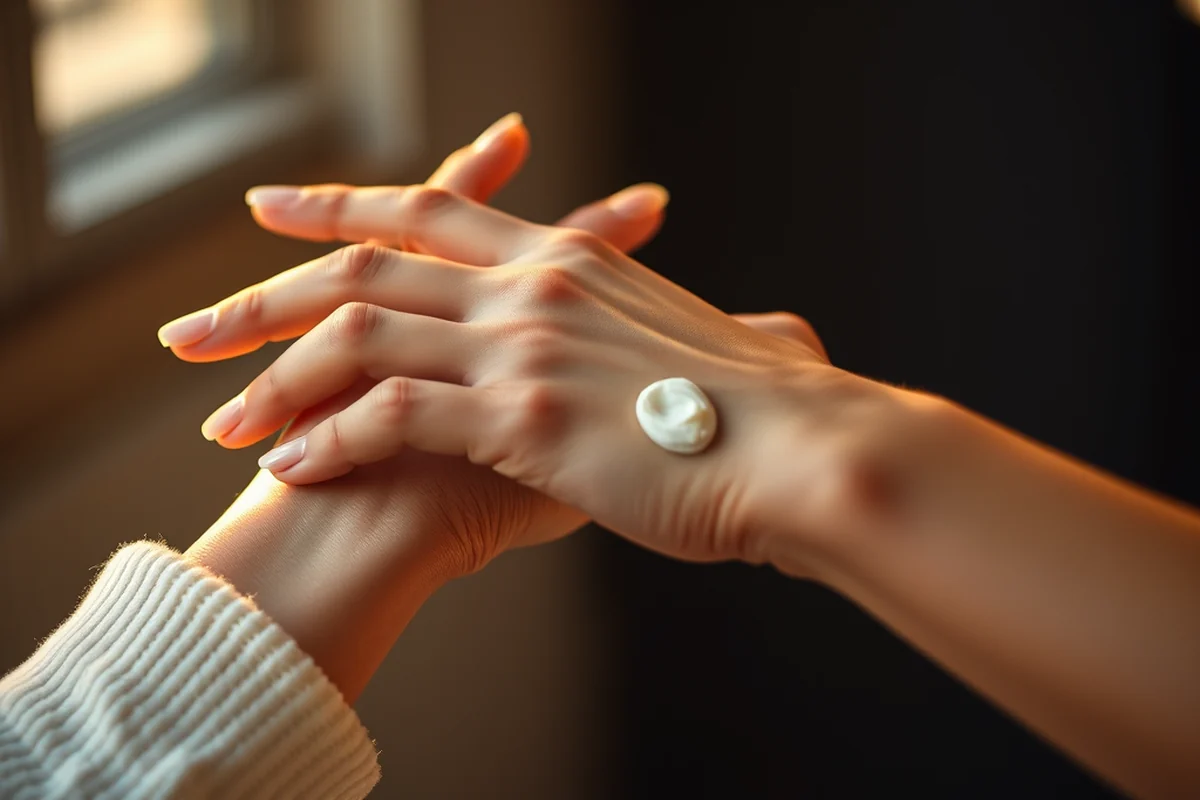
One of the main reasons for the regulation of gel nails in Europe is the presence of methacrylates, which are used to create the hard, glossy finish of gel polish. These chemicals can cause allergic reactions, ranging from mild irritation to severe skin inflammation. In some cases, they’ve even led to chronic nail damage.
Studies have shown that prolonged exposure to methacrylates can lead to nail thinning, peeling, and even permanent damage. This is a particular concern for people who get gel manicures frequently, as the chemicals can build up in the nail bed over time.[2]
In response, many European countries have taken a more cautious approach, limiting the use of these ingredients and encouraging the development of safer alternatives.
Your nails are not a canvas for potentially harmful chemicals.
Related: Gel nails for january 2026
Related: Gel nails for september
Related: What is gel nails
Related: Gel x nails classes
Related: Why do gel nails peel
Related: Best Gel Pens
Related: Can You Fill Gel Nails
Related: What Is Chrome In Nails
Related: Nails For Summer
The Role of Allergies and Skin Sensitivity
If you have sensitive skin or are prone to allergies, the chemicals in gel polish can be a real concern. Methacrylates, formaldehyde, and other VOCs used in gel polish can cause redness, itching, and even blistering in sensitive individuals.
In Europe, the focus has shifted to creating gel polish that is more hypoallergenic and less damaging to the skin. This means that even those with sensitive skin can enjoy gel manicures, as long as they choose products that are formulated with care.
For salon owners, this has meant a shift in product sourcing and client communication. It’s no longer enough to just look good—you have to look safe, too.
Always do a patch test before applying gel polish. This helps you identify any allergic reactions early and avoid long-term damage.
“I remember the first time I sat in a nail salon in Europe, the moment the technician hesitated before applying gel polish.”— Gel Nails for Beginners editors
The Cost of Compliance in Europe

Complying with EU regulations can be expensive for salons. European salons often pay more for gel polish that meets safety standards, as many of the chemicals used in American products are not allowed in Europe. This means that the cost of a gel manicure in Europe is often higher than in the US.
Salon owners have had to adapt, either by sourcing products from manufacturers that meet EU standards or by reformulating their own polishes. This process can take time and money, but it's a necessary step for long-term client trust and safety.
For clients, this means that while gel manicures in Europe might be more expensive, they are also likely to be safer and more effective in the long run.
Alternatives to Gel Nails in Europe
If you’re looking for alternatives to gel nails in Europe, there are several options. One popular choice is the use of acrylics, which are less damaging to the nails and can be removed without the same level of chemical exposure.
Another option is the use of 3-in-1 nail treatments, which combine the benefits of gel and acrylic in a single application. These are a newer trend in Europe and are growing in popularity.
Salons also offer shellac and other hybrid polishes, which are less harmful than traditional gel but still provide a long-lasting finish. These options are becoming more common as clients look for safer, more effective alternatives.
The Importance of Proper Application
Even the safest gel polish can be harmful if it’s not applied properly. In Europe, salons emphasize proper application techniques to minimize the risk of chemical exposure and long-term damage.
Technicians are trained to use the right amount of product, avoid over-filling the nail beds, and ensure that the polish is cured properly. This not only enhances the look of the manicure but also reduces the risk of chemical buildup on the nails.
For clients, this means that proper application is just as important as the product used. A well-applied gel manicure can last longer and be less damaging to the nails.
A skilled technician can make all the difference in the safety of your gel manicure.
The Future of Gel Nails in Europe
As research continues, the future of gel nails in Europe looks promising. Scientists and salon owners are working together to develop safer, more sustainable gel polish that is just as effective as traditional formulas but less harmful.[3]
There are already new products entering the European market that use non-toxic, eco-friendly ingredients. These products are gaining popularity among clients who want the look and durability of gel nails without the health risks.
For the industry, this means that the future of gel nails in Europe is not about banning the practice, but about improving it. With the right ingredients and techniques, gel manicures can be both beautiful and safe.
The Environmental Impact of Gel Nails in Europe
In Europe, the environmental impact of gel nails is a growing concern. The production and disposal of gel nail products involve chemicals that are harmful when released into water systems. For example, the solvent acetone, commonly used to remove gel nails, can pollute groundwater if not disposed of properly. A 2022 study by the European Environment Agency found that 15% of salon waste contained hazardous chemicals, including those from gel nail products.[4]
Proper disposal and recycling of gel nail materials are not widely practiced, contributing to landfill waste. Many salons in Germany, for instance, report that less than 30% of their waste is recycled. This lack of infrastructure for safe disposal compounds the environmental damage. Also, the production process for gel polishes often involves high energy consumption and the use of non-renewable resources, further increasing their carbon footprint.
Salons and manufacturers are beginning to address these issues by adopting eco-friendly alternatives. One salon in Amsterdam replaced traditional gel polishes with water-based, biodegradable options, reducing their chemical waste by 40% within a year. Consumers are also becoming more aware, with a 2023 survey revealing that 65% of European beauty consumers now prioritize eco-friendly products. This shift may influence future regulations and industry standards in the gel nail sector.
🛡️ Sensitive Skin
If you have sensitive skin, look for hypoallergenic gel polish that is free from methacrylates and VOCs.
💰 Budget-Friendly
Choose gel polish that is affordable but still meets EU safety standards. Some European brands offer high-quality, low-cost options.
💅 Minimalist
Opt for simple, natural-looking gel manicures that don’t rely on heavy layers of polish or harsh chemicals.
🎯 Targeted
Focus on a specific concern, like durability or health, and choose gel polish that addresses that need.
🔄 Maintenance
For long-term maintenance, choose gel polish that is easy to remove and doesn’t damage the nails over time.
| The mistake | Why it happens | The fix |
|---|---|---|
| Ignoring the importance of proper application techniques. | Poor application can increase the risk of chemical exposure and damage to the nails. | Ensure that the technician is trained in proper application techniques and follows EU guidelines. |
| Assuming that all gel polish is the same, regardless of where it's used. | European gel polish is formulated differently to meet safety standards, and using American products in Europe can be harmful. | Use products that are specifically designed for use in Europe and meet EU regulations. |
Why Is Gel Nails Banned In Europe
Common Questions
Are gel nails completely banned in Europe?
What are the main chemicals that are banned in European gel polish?
Is it possible to get a gel manicure in Europe that is safe for sensitive skin?
How much does a gel manicure cost in Europe compared to the US?
Cite this guide
Gel Nails for Beginners (2026). Why Is Gel Nails Banned In Europe. https://careandnail.com/why-is-gel-nails-banned-in-europe/
Feel free to cite or share this guide.
References
- Labeling of Cosmetic Products - Academia.edu (academia.edu)
- ASTM F963 Requirements | CPSC.gov (cpsc.gov)
- Vietnamese Nail Salon Workers and Chronic Chemical Exposure (csw.ucla.edu)
- Hand Hygiene for Health Promotion (digitalcommons.gardner-webb.edu)