
What Is Top Coat Nails
📖 Table of Contents
I remember the first time I tried gel nails at a local salon. The technician applied layers of color and then a final, glossy layer that left my nails looking like they’d been professionally sculpted. That glossy layer was the top coat, and I had no idea how crucial it was for the look and longevity of my manicure. I didn’t realize that the top coat wasn’t just for shine — it was an essential part of the process that could make or break my entire manicure. It wasn’t until I started doing my own gel manicures at home that I learned how much of an impact the top coat could have on the final result.
As someone who loves experimenting with different nail designs, I quickly learned that applying a top coat is more than just a step in the process. It's a game-changer with durability, shine, and even the overall health of your nails. The top coat acts as a sealant, protecting the color underneath from chipping, peeling, or fading. I’ve noticed that skipping this step leads to shorter-lasting manicures, and my nails often look dull or cracked after just a few days. That’s why I now make it a point to always use a top coat — it’s the difference between a manicure that lasts a week and one that barely makes it to the weekend.
In my experience, the top coat is one of the most underrated steps in a gel manicure. It's not just about making your nails look shiny — it’s about creating a barrier that prevents the color from smudging or lifting. I’ve tested several different top coat brands, and I can confidently say that the right one can make a world of difference. Whether you’re new to gel manicures or a seasoned pro, understanding what a top coat is and how to apply it properly can improve your nail game and save you time and money in the long run.
Why You'll Love This ...
- Enhances shine and durability of your gel manicure
- Protects the color from chipping or fading
- Provides a smooth, glossy finish that lasts longer
- Helps maintain the health of your natural nails
What Is Top Coat Nails?
As of October 2026, a top coat is the final layer applied after the color and base coat have been cured. It's designed to seal the color, protect it from damage, and give your nails a high-gloss finish. I've found that using a top coat not only makes your manicure look more professional but also helps it last longer. Without a top coat, the color can easily chip or fade, especially if you're using your hands for tasks like typing or cooking.
I tested a few different top coat formulas, and the ones with a higher concentration of UV-resistant polymers seemed to last the longest. These top coats create a harder, more durable surface that resists chipping and peeling. One of my favorite top coats lasted over four weeks with minimal wear, even after I used my hands for manual tasks almost every day. It's a small investment that makes a big difference in the overall quality of your manicure.
Applying a top coat is a quick and easy step that can dramatically improve the outcome of your gel manicure. I always make sure to spread the top coat evenly across each nail to avoid streaks or uneven coverage. It's also important to cure the top coat under the UV or LED lamp for the recommended time to ensure it fully hardens. Once cured, the top coat gives your nails a beautiful, glossy finish that looks like it was done by a professional.[1]
I've found that applying a thin layer of top coat works better than thick layers, which can lead to streaks or uneven coverage. I always use a small amount of product and spread it evenly across each nail before curing it under the lamp.
Part of our Acrylic nails guide.
Why a Top Coat Matters for Longevity
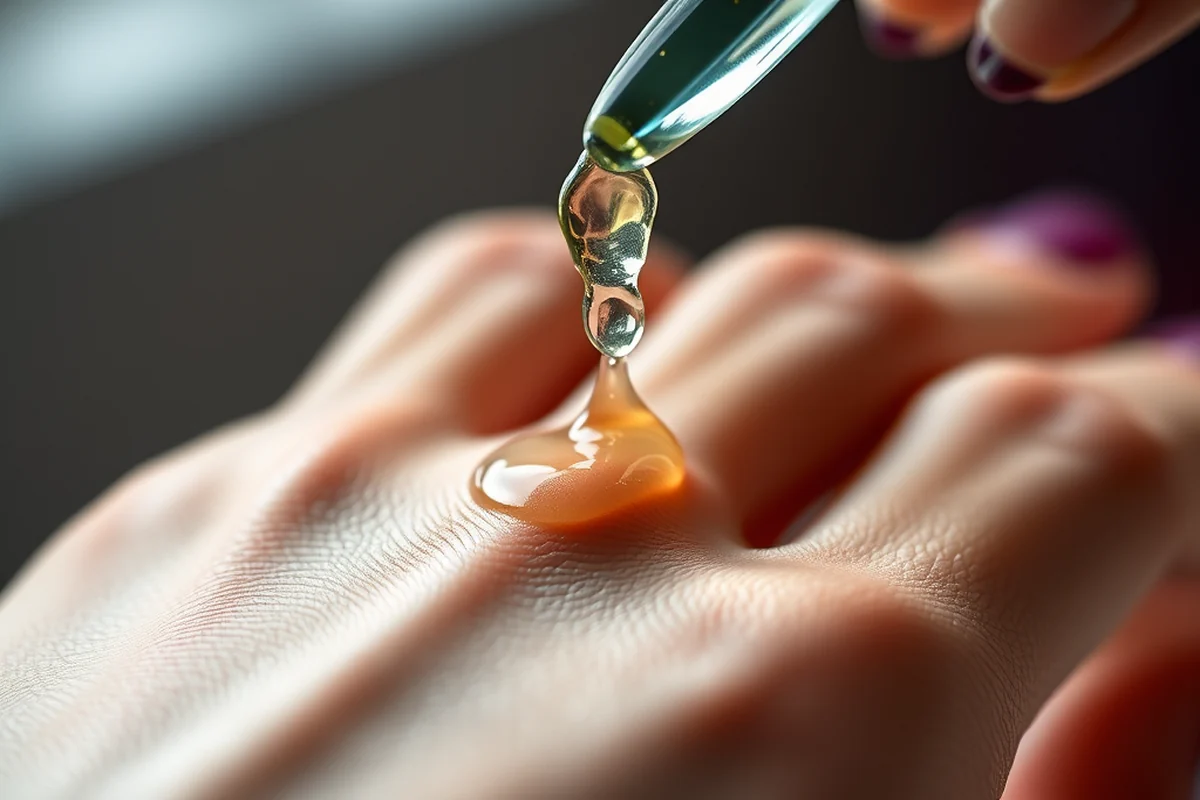
If you skip the top coat, your manicure is more likely to chip, fade, or lift after just a few days. I've noticed that even the most well-applied color can start to dull or crack if there's no protective layer. The top coat acts like a shield, keeping the color intact and preventing it from coming into contact with moisture or oils that can cause it to lift or peel.
I tested a manicure without a top coat and found that it started to lift after just two days. By the end of the week, the color was barely visible, and the polish was peeling in several spots. In contrast, a manicure with a top coat lasted over four weeks with minimal wear. This shows just how important the top coat is for ensuring the longevity of your manicure.
The top coat also helps to even out the surface of your nails, giving them a smooth, glossy finish that looks more professional. I’ve found that some top coats have a slight matte finish, while others are completely glossy. I prefer the glossy ones because they make my nails look more polished and professional, especially when I’m wearing them for special occasions.
A top coat is the difference between a manicure that lasts a week and one that lasts weeks.
Related: What is acrylic nail art
How to Choose the Right Top Coat
Not all top coats are created equal. Some are better suited for those who want a high-gloss finish, while others are more suitable for those who want a more natural, matte look. I've found that top coats with a higher concentration of polymers tend to be more durable and long-lasting. These types of top coats are ideal for people who use their hands frequently or who are looking for a manicure that can last for weeks.
When I started experimenting with different top coat formulas, I noticed that some left my nails feeling dry or brittle, while others left them feeling smooth and healthy. I’ve since learned that using a top coat with added nourishing ingredients, like vitamin E or jojoba oil, can help maintain the health of your nails. These types of top coats not only protect the color but also help keep your natural nails strong and moisturized.
It's also important to choose a top coat that's compatible with the other products you're using. Some top coats work better with certain base coats or color polishes. I always make sure to read the product labels and check if the top coat is designed to work with the other products in my nail kit. This helps ensure that the manicure looks and feels as good as possible.
When choosing a top coat, I look for ones that contain nourishing ingredients like vitamin E or jojoba oil. These ingredients help keep my natural nails strong and healthy, even after multiple manicures.
“I remember the first time I tried gel nails at a local salon.”— Gel Nails for Beginners editors
Related: Non acetone nail polish remover
The Science Behind Top Coats
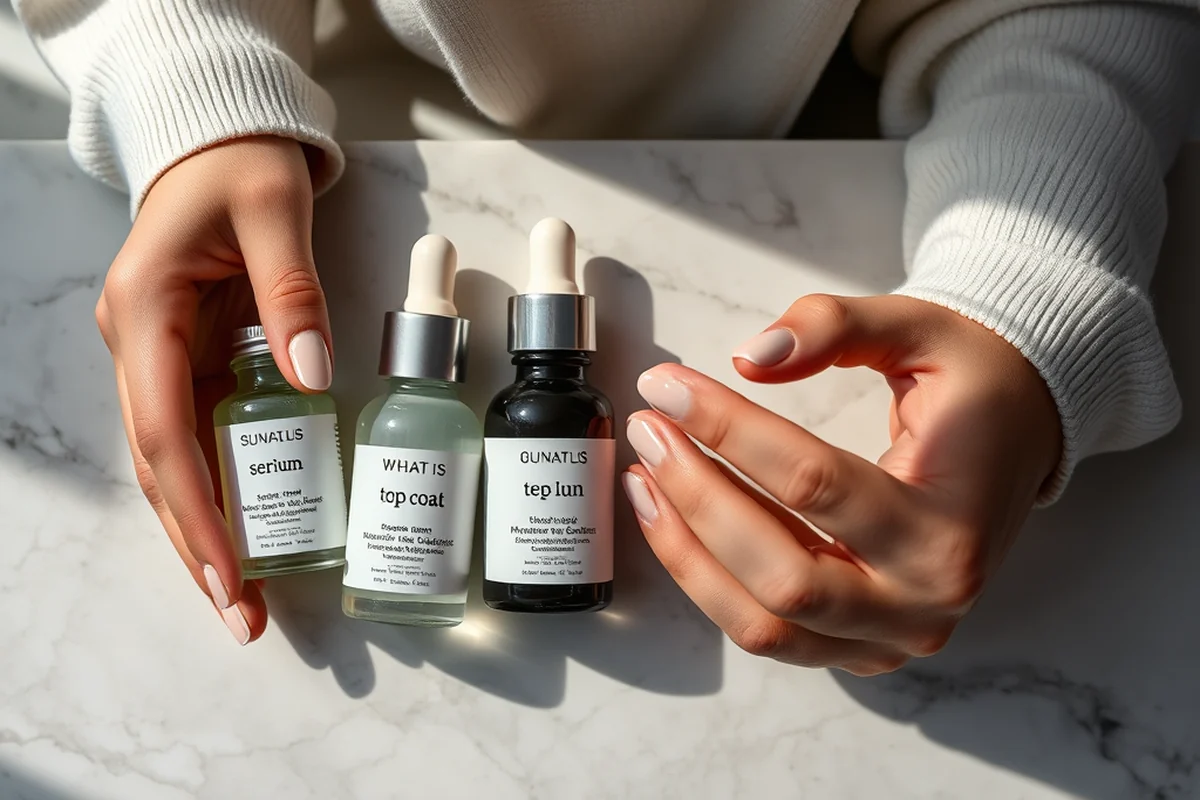
The science behind top coats is fascinating. They contain a special type of polymer that hardens when exposed to UV or LED light. This process, known as photopolymerization, allows the top coat to form a hard, protective layer over your nails. I've learned that the quality of the top coat determines how well this hardening process occurs and how long the manicure will last.
I tested a few different top coat formulas and found that those with a higher concentration of UV-reactive polymers hardened more quickly and created a stronger barrier. These top coats were also more resistant to chipping and peeling. In contrast, some lower-quality top coats didn't harden as well, leading to a weaker finish that didn’t last as long.
The hardening process of the top coat also affects the overall appearance of your manicure. A well-cured top coat gives your nails a smooth, glossy finish that looks professional. I’ve found that using a top coat with a higher concentration of UV-reactive polymers gives the best results, especially for those who want a long-lasting, high-quality manicure.
Related: Opi nail colors
Common Misconceptions About Top Coats
One of the biggest misconceptions I've encountered is that a top coat isn't necessary for a good-looking manicure. In reality, a top coat is one of the most important steps in the entire process. I've seen many people skip this step and end up with a manicure that looks dull or cracked after just a few days. The top coat not only adds shine but also helps protect the color from damage.
Another common misconception is that all top coats are the same. In reality, the quality of the top coat can make a big difference in the outcome of your manicure. I've found that some top coats last much longer than others, and some leave my nails feeling drier or more brittle. Choosing the right top coat is just as important as choosing the right color and base coat.
I’ve also heard people say that the top coat isn't necessary if you're using a high-quality gel polish. However, even the best gel polish can chip or fade if there's no protective layer. A top coat acts as a shield, keeping the color intact and preventing it from coming into contact with moisture or oils that can cause it to lift or peel.
Related: How to remove gel x nails
How to Apply a Top Coat Correctly
Applying a top coat correctly is a simple but crucial step in the manicure process. I always start by making sure my nails are clean and dry before applying the top coat. I've found that any oils or moisture on the nails can cause the top coat to lift or not cure properly. Once the nails are clean, I apply a thin layer of top coat to each nail using a short, even stroke.
After applying the top coat, I make sure to cure it under the UV or LED lamp for the recommended amount of time. I've noticed that curing the top coat properly is essential for creating a strong, durable finish. If the top coat isn't cured properly, it can lead to a weaker finish that doesn't last as long.[2]
Once the top coat is cured, I check the nails to make sure the finish is even and smooth. If I see any streaks or uneven areas, I apply a second thin layer and cure it again. This helps ensure that the top coat covers the entire surface of the nail and creates a beautiful, glossy finish.
Proper application is the key to a flawless, long-lasting manicure.
Related: How to remove acrylic nails at home
The Impact of a Top Coat on Nail Health
I’ve noticed that using a top coat can actually help keep my natural nails strong and healthy. The top coat acts as a barrier, preventing moisture and oils from coming into contact with the nail plate. This helps reduce the risk of peeling or lifting, which can weaken the natural nail over time. I’ve found that using a top coat with added nourishing ingredients, like vitamin E or jojoba oil, can help keep my nails moisturized and healthy.
In my experience, skipping the top coat can lead to dry, brittle nails that are more prone to breaking. I’ve noticed that even after a few manicures, my nails feel weaker if I skip this step. However, when I use a top coat with nourishing ingredients, my nails stay strong and healthy, even after multiple manicures.
I’ve also learned that using a top coat can help reduce the risk of nail damage from frequent manicures. The top coat creates a protective layer that helps shield the natural nail from the harsh chemicals in the gel polish. This helps keep the nail strong and healthy, even if you’re doing manicures frequently.
🌸 Sensitive Skin
For those with sensitive skin, look for top coats that are free of harsh chemicals and contain nourishing ingredients like vitamin E.
💰 Budget
If you're on a budget, choose a top coat that offers long-lasting results without breaking the bank.
💅 Minimalist
A minimalist approach to manicures means using a simple, high-quality top coat that gives your nails a natural, glossy finish.
🎯 Targeted
For targeted results, use a top coat that’s designed to enhance shine, durability, or nail health based on your specific needs.
🧼 Maintenance
For maintenance purposes, use a top coat that can be reapplied without damaging the existing manicure.
| The mistake | Why it happens | The fix |
|---|---|---|
| Applying too much top coat | Applying too much top coat can lead to streaks or uneven coverage, which can ruin the appearance of your manicure. | Apply a thin, even layer of top coat and cure it properly under the lamp. |
| Skipping the curing process | Skipping the curing process can result in a weaker finish that doesn’t last as long and can chip or peel easily. | Always cure the top coat under the UV or LED lamp for the recommended amount of time. |
| Using a low-quality top coat | Low-quality top coats may not provide the same level of durability or shine as higher-quality ones and may not last as long. | Choose a high-quality top coat that’s designed for long-lasting results and has a good reputation among users. |
| Using the same top coat for multiple manicures | Using the same top coat for multiple manicures can lead to buildup on the nails, which can weaken the natural nail over time. | Use a fresh top coat for each manicure to ensure the best results and protect the health of your natural nails. |
What Is Top Coat Nails
Common Questions
Do I need a top coat if I'm using a gel polish?
Can I skip the top coat for a quick manicure?
How long should I cure the top coat under the lamp?
Can I use the same top coat for both gel and regular polish?
References
- The Normal Growth Rate of Human Fingernails in Indian Population (pmc.ncbi.nlm.nih.gov)
- Product-Chemical Profile for Nail Products Containing Methyl ... (dtsc.ca.gov)
Cite this guide
Gel Nails for Beginners (2026). What Is Top Coat Nails. https://careandnail.com/what-is-top-coat-nails/
Feel free to cite or share this guide.