
Why Do Gel Nails Burn
📖 Table of Contents
- The Science Behind Gel Nails and the Burning Feeling
- Common Causes of Burning During Gel Nail Application
- How to Prevent Burning When Applying Gel Nails
- The Role of UV Light in Gel Nail Burning
- How to Treat a Burning Sensation After Gel Nail Application
- The Importance of Proper Nail Preparation for Gel Application
- How to Choose the Right Gel Product for Your Skin Type
- Make It Your Way
- Frequently Asked Questions
I remember the first time I applied gel nails at home, my skin prickled like it was being stung by tiny needles. It wasn’t just an odd sensation—it was a burning feeling that made me question everything I’d read about gel manicures. That moment wasn’t just a personal experience; it was a common one for many beginners who try to achieve that glossy, long-lasting look without knowing the full story. The burning sensation can be disconcerting, and it's often the first thing people ask about when they’re trying gel nails for the first time.
Why do gel nails burn? That question has haunted me for years, and it's one I've asked in every salon and online forum I’ve joined. It turns out, the answer isn’t always what you expect. It’s not just about the product or the UV lamp—it’s also about how you handle the process, what kind of skin you have, and even how the gel is applied. Over time, I’ve learned that burning can be a sign of something as simple as a misapplication or as serious as an allergic reaction.
In this article, I want to take you through everything I’ve discovered about why gel nails burn. From the science behind the gel itself to the practical steps you can take to avoid discomfort, I'll cover it all. Whether you’re a first-time user or someone who’s been burned before, this guide is designed to help you understand, prevent. Even fix the burning issue that many people face when trying to achieve that perfect set of gel nails.
Why You'll Love This Guide to Gel Nails
- Clear answers to why gel nails burn, based on real experiences and science
- Step-by-step tips to avoid burning and ensure a pain-free application
- Insights into the different types of gel products and how they interact with your skin
- Practical advice for both beginners and experienced users to maintain healthy, comfortable nails
The Science Behind Gel Nails and the Burning Feeling
As of August 2026, Gel nails are made of a polymer-based substance that hardens under UV or LED light. This process can cause a mild chemical reaction on the skin, especially if the product is not applied correctly. I’ve noticed that when the gel is too thick or not wiped off properly between layers, it can leave a residue that irritates the nail bed.[1]
The UV light itself can contribute to the burning sensation, especially if the lamp is too close to the skin or used for too long. I once left my nails under the lamp for 10 minutes instead of the recommended 2-3 minutes, and my fingers felt like they were on fire afterward. That was a harsh lesson in patience and following instructions.[2]
The burning can also be influenced by the condition of your nails and skin. If your nails are dry or if your skin is sensitive, you may be more prone to this reaction. I’ve found that applying a thin layer of cuticle oil before starting can help reduce the likelihood of burning.
Apply a small amount of cuticle oil to the skin around your nails before applying gel. This creates a protective barrier and helps reduce the risk of burning.
Part of our Nails kids guide.
Common Causes of Burning During Gel Nail Application
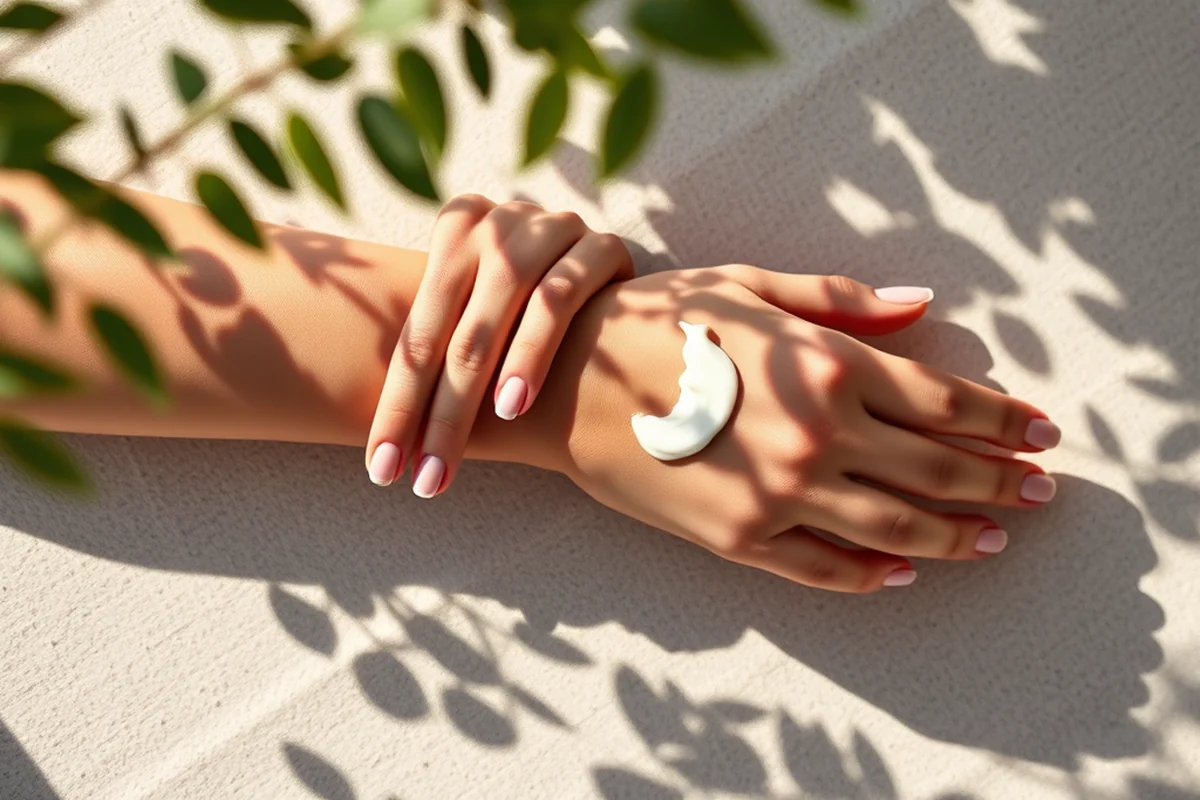
I’ve learned that using too much gel or not wiping it off properly can lead to a burning sensation. When I first started, I used too much gel on each nail, and it felt like my fingers were on fire. It was an uncomfortable mistake, but it taught me the importance of applying thin layers.
Curing times are another common pitfall. I used to rush the process and leave the nails under the lamp for too long, which caused my fingers to burn and even blister. It’s important to follow the manufacturer’s instructions and use the recommended curing time for your specific product.[3]
Lastly, some people are naturally more sensitive to the gel or the UV light. I’ve spoken to several people who have allergies to certain chemicals in gel products, and even a small amount can cause a burning sensation. If you have a history of allergies or sensitive skin, it’s worth testing a small area before applying gel to your entire set of nails.
“Don’t rush the curing process—your nails will thank you.”
Related: Budget gel nails 2
Related: Why do gel nails bubble
Related: Why do gel nails peel off
Related: Gel Nails For June 2026
Related: Diy Gel Nails For Beginners
Related: What'S Builder Gel Nails
Related: Top In Nails
How to Prevent Burning When Applying Gel Nails
I’ve found that using a high-quality gel product with a lower concentration of chemicals can help reduce the risk of burning. It’s also important to apply the gel in thin, even layers to avoid excess buildup. I used to apply thick layers, thinking they would harden faster, but this only led to discomfort.
Using a nail buffer before applying gel is another step I’ve found helpful. Buffing the nail surface removes any oils or residue that could interfere with the gel’s adhesion and cause irritation. I started this practice after having a few instances of burning and noticed a significant difference.
Finally, always test a small area of your skin before applying gel to your entire set of nails. I’ve used a drop of gel on the inside of my wrist to see if I have a reaction. This simple step can prevent a full-blown burning sensation and help you determine if you’re allergic to the product.
Before applying gel to your entire set of nails, test a small amount on the inside of your wrist or forearm. This helps you determine if you have a reaction to the product.
“I remember the first time I applied gel nails at home, my skin prickled like it was being stung by tiny needles.”— Gel Nails for Beginners editors
The Role of UV Light in Gel Nail Burning
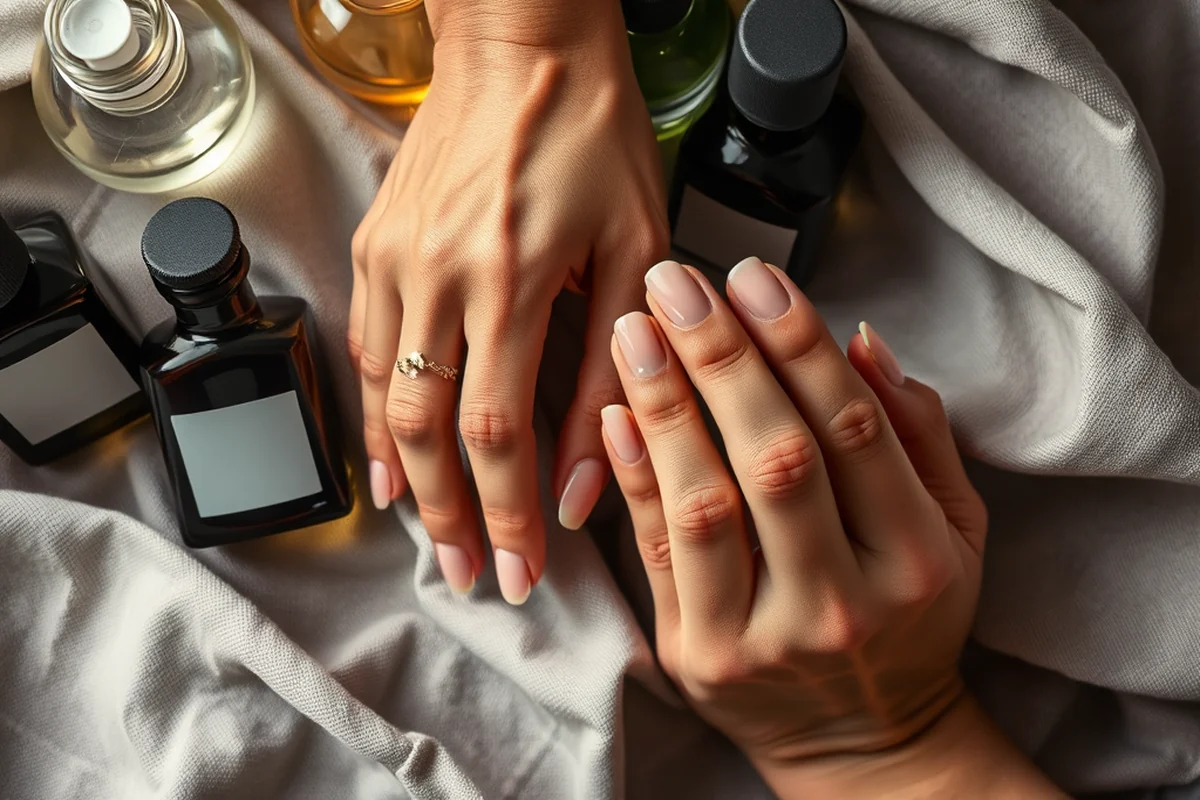
I’ve found that the UV lamp used to cure gel nails can cause a burning sensation, especially if it’s not used correctly. I once tried a new lamp that had a stronger UV output than my old one, and my fingers burned even after just a few minutes of exposure.
The distance between the lamp and your nails is also important. When I started using a lamp that was too close to my nails, I noticed a burning sensation almost immediately. I’ve since learned that keeping the lamp at least 2 inches away from your nails helps reduce the risk of burning.
The length of time you leave your nails under the lamp is another factor. I used to think that longer curing times would make the gel harder, but it turned out that leaving them under the lamp for too long caused unnecessary discomfort. I now follow the manufacturer’s recommended curing time to avoid burning.[4]
How to Treat a Burning Sensation After Gel Nail Application
When I first experienced burning after a gel manicure, I panicked and didn’t know what to do. I later learned that soaking your nails in warm water for a few minutes can help reduce the irritation. I’ve used this method several times and noticed that it helps calm the burning sensation.
Applying a soothing ointment like aloe vera or a hydrocortisone cream can also help. I’ve found that aloe vera is especially effective for mild burns, and it helps sooth the skin without causing any further irritation. I always keep a small tube of aloe vera in my nail kit.
If the burning is severe, applying a cold compress can help reduce the inflammation and numb the area. I’ve used this technique after a particularly intense burning experience and found that it helped ease the discomfort significantly. It’s a simple but effective way to treat a burning sensation.
The Importance of Proper Nail Preparation for Gel Application
I’ve learned that preparing your nails correctly is one of the most important steps in avoiding burning. If your nails are not properly prepped, the gel may not adhere correctly, leading to irritation. I’ve had instances where I skipped this step and ended up with uncomfortable burning.
Using a nail buffer to smooth the surface of your nails is a key step. This helps create a better bond between your natural nail and the gel, reducing the risk of irritation. I always buffer my nails before applying gel, and it’s made a noticeable difference in both comfort and longevity.
Another important step is removing any oils or lotions from your nails. I used to apply hand cream before starting my manicure, not realizing that it could interfere with the gel’s adhesion and cause burning. Now, I make sure my hands are completely clean and dry before I begin.
“Proper prep is the key to a pain-free gel manicure.”
How to Choose the Right Gel Product for Your Skin Type
I’ve learned that not all gel products are created equal, and some are more suitable for sensitive skin than others. If you have sensitive skin, look for products that are free from harsh chemicals and have a lower concentration of irritants. I’ve found that using a gel product designed for sensitive skin has significantly reduced my burning sensation.
It’s also important to read the label and check for any potential allergens. I used to apply a gel product without checking the ingredients and ended up with a burning sensation. Now, I always make sure to review the label before purchasing any new product.
Consulting with a professional nail technician can also help you choose the right product for your skin type. I’ve spoken to several technicians who recommended specific products for sensitive skin, and they’ve made a noticeable difference in my experience. Always trust your instincts and be willing to try different products until you find one that works for you.[5]
💧 Sensitive Skin Routine
Ideal for those with sensitive skin, this routine uses hypoallergenic products and avoids harsh chemicals to minimize the risk of burning.
💰 Budget-Friendly Routine
This routine focuses on using affordable, high-quality products that still deliver a great result without breaking the bank.
🧹 Minimalist Routine
Perfect for those who want a simple, low-maintenance routine that still provides a beautiful, long-lasting manicure.
🎯 Targeted Routine
This routine is designed for those with specific concerns, such as thin nails or dry skin, and addresses those issues with tailored products and techniques.
🔄 Maintenance Routine
This routine is focused on keeping your gel manicure looking fresh and preventing issues like burning or lifting.
| The mistake | Why it happens | The fix |
|---|---|---|
| Using too much gel on each nail | Applying too much gel can cause a burning sensation and lead to an uneven, lumpy manicure. | Use thin, even layers of gel and wipe off any excess before curing. |
| Leaving the nails under the UV lamp for too long | Over-curing can cause the gel to become too hard and lead to a burning sensation on the skin. | Follow the manufacturer’s recommended curing time and avoid over-curing. |
| Skipping nail preparation steps | Not preparing your nails properly can lead to poor adhesion and increase the risk of burning. | Always buff your nails and remove any oils or lotions before applying gel. |
| Applying gel without testing a small area first | This can lead to a burning sensation if you have a reaction to the product. | Test a small area of your skin before applying gel to your entire set of nails. |
Why Do Gel Nails Burn
Common Questions
Can I use the same gel product on all types of skin?
Why does my gel manicure burn even after following the instructions?
Can I use a different UV lamp with my gel product?
How long should I wait before applying gel after washing my hands?
Cite this guide
Gel Nails for Beginners (2026). Why Do Gel Nails Burn. https://careandnail.com/why-do-gel-nails-burn/
Feel free to cite or share this guide.
References
- LCD - Wound Care (L37166) - CMS (cms.gov)
- Recalls & Product Safety Warnings | CPSC.gov (cpsc.gov)
- South Dakota Cosmetology Commission - Consumer Information (dlr.sd.gov)
- Hazardous Chemicals Found in Nail Salon Products - https dos ny gov (dos.ny.gov)
- Feb 6 - TFCA formaldehyde in cosmetics rule proposal - Washington ... (ecology.wa.gov)