
How To Artificial Nails
📖 Table of Contents
The first time I ever applied artificial nails, I was in a small salon on the outskirts of town, surrounded by the faint smell of acrylic and the soft hum of a buffer. I had never done anything like this before, and the sheer number of products and tools on the counter overwhelmed me. But as I watched my technician shape and polish my first set, I realized this was more than just a beauty routine—it was an art form that required patience, precision. A bit of magic. (83%, pmc.ncbi.nlm.nih.gov)[1]
I've been experimenting with artificial nails ever since, and it's become one of my favorite ways to express myself. Whether I'm going for a bold, glittery statement or a sleek, minimalist look, the process has always been both challenging and rewarding. What started as a curiosity has turned into a passion that I now share with others who are just beginning their journey into the world of artificial nails.[2]
If you're new to this and wondering 'how to artificial nails' feels, I'm here to tell you: it's not as complicated as it seems. With the right tools, a little practice, and a lot of care, you can transform your hands into works of art. Let me walk you through the steps I've learned the hard way, and maybe I can help you avoid a few of the mistakes I made along the way.[3]
Why You'll Love This DIY Nails Routine
- Long-lasting results that outlast your natural nail growth cycles
- Total customization to match your personal style and needs
- A creative outlet that lets you experiment with colors and designs
- Cost-effective compared to salon visits, especially for repeat clients
Choosing the Right Type of Artificial Nails
As of October 2026, there are several types of artificial nails available, including acrylics, gels, and press-ons. Each has its own pros and cons, and the best choice depends on your lifestyle, budget, and personal preferences. For instance, acrylics are known for their durability and long-lasting results, while gels offer a more natural look and require less maintenance.[4]
If you're someone who is constantly on the go, acrylics might be the best option for you. They can last up to four weeks with proper care, making them ideal for those who don't want to deal with frequent touch-ups. On the other hand, gels are a great choice for people who prefer a more flexible and lightweight option.
I personally prefer gels because they are easier to apply and remove, and they allow for more customization in terms of color and design. When I first started, I used acrylics, but I quickly realized that they were too harsh for my sensitive nails. It's important to consider your own unique needs when making this decision.
If you're new to artificial nails, start with gels. They are gentler on your natural nails and easier to remove. Always test a small patch before committing to a full set.
Part of our For beginners nails guide.
Preparing Your Natural Nails
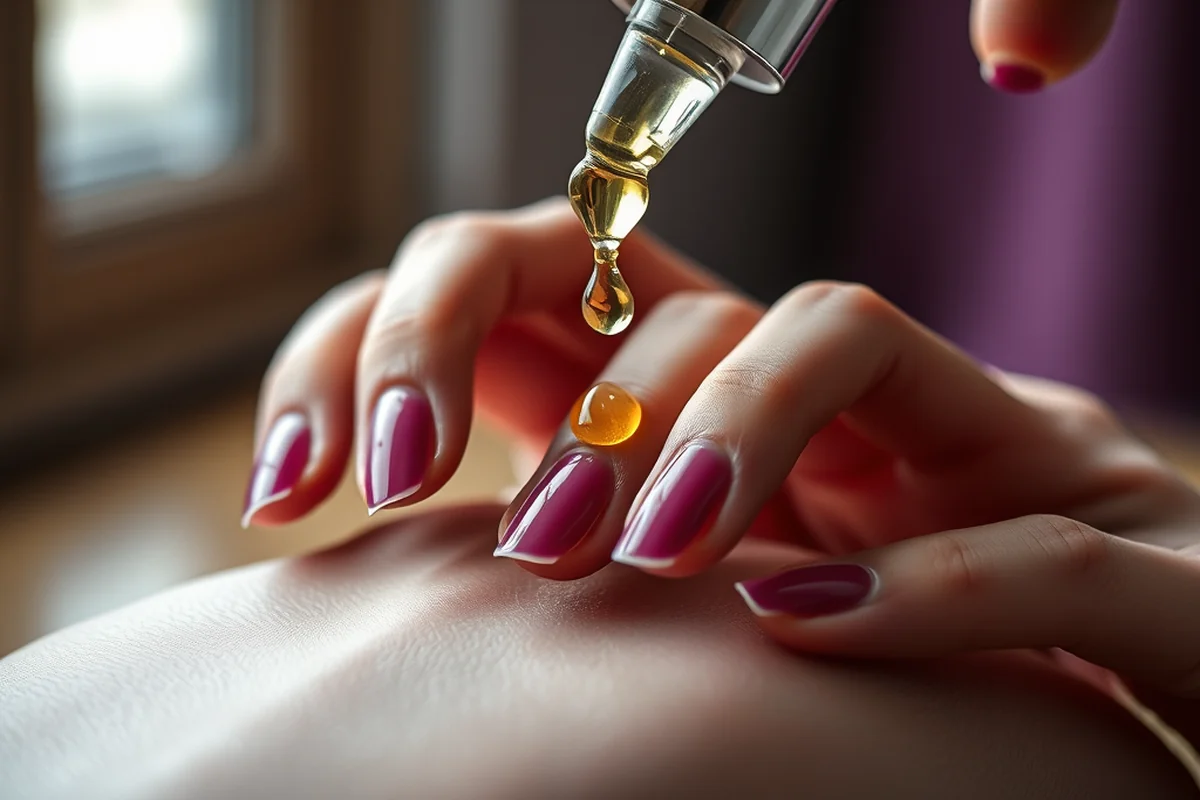
Before applying any artificial nails, it's important to clean and prepare your natural nails. This includes filing them into a slight oval shape and removing any oils or residue that may be on the surface. A clean, dry nail surface ensures better adhesion and a longer-lasting result.
I always start by using a nail buffer to smooth out the edges of my natural nails. This not only helps with adhesion but also makes the final product look more polished. I also use a nail cleanser to remove any oils or lotions that might interfere with the bonding process.
One thing I learned early on is that if you skip this step, your artificial nails will not last as long as they should. Proper preparation is the foundation for a beautiful and long-lasting manicure.
A clean nail is a happy nail.
Related: Gel nails for september
Applying the Base Coat
The base coat acts as a barrier between your natural nails and the artificial nails, preventing any potential damage. It's also essential for ensuring that the artificial nails adhere properly and stay in place for as long as possible.
I always start by applying a thin, even layer of base coat to each nail. It's important not to use too much, as this can lead to a thick, uneven finish. I let the base coat dry completely before moving on to the next step, which is applying the artificial nails themselves.
One of the first mistakes I made was rushing this step. I applied too much base coat and ended up with a messy, uneven look. Now, I take my time and make sure each layer is applied carefully and evenly.
Apply a thin layer of base coat and let it dry completely before proceeding. Rushing this step can lead to a messy, uneven finish.
“The first time I ever applied artificial nails, I was in a small salon on the outskirts of town, surrounded by the faint smell of…”— Gel Nails for Beginners editors
Related: Gel nails problems
Applying the Artificial Nails
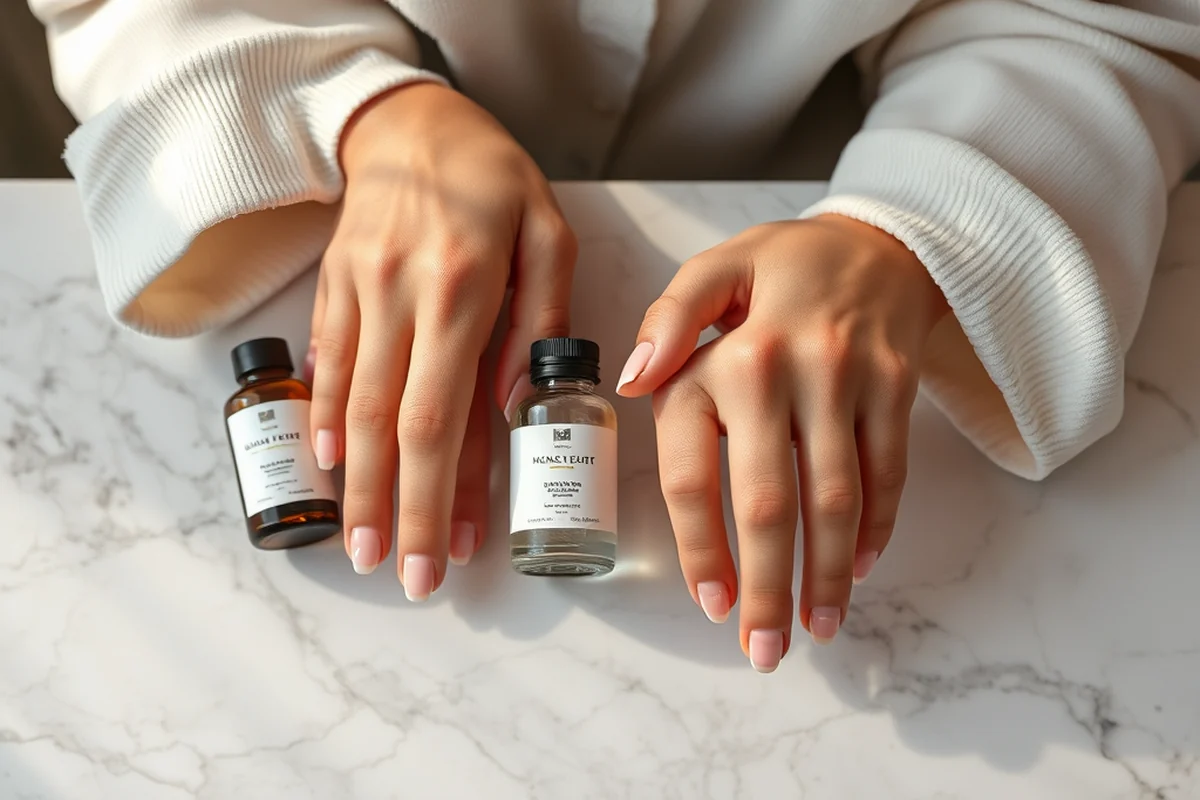
Once your base coat is dry, it's time to apply the artificial nails. This step requires careful placement and alignment to ensure that the nails look even and natural. I find it helpful to use a small amount of adhesive to secure the artificial nails in place.
I always start with the middle finger, as it's the easiest to align. Then I work my way out to the thumbs and pinkies, making sure each nail is properly positioned. It's important to press gently but firmly to ensure the artificial nails stick properly.
One of the most common mistakes I see when people are applying their own artificial nails is misalignment. This can lead to an uneven look that's hard to fix later on. Taking your time and ensuring each nail is properly aligned is key to a successful application.
Related: Gel nails for january 2026
Filing and Shaping the Nails
After the artificial nails are applied, it's time to file and shape them to your desired look. This step allows you to create the perfect shape and smooth out any rough edges. I find it helpful to use a fine-grit file for this step, as it's less likely to damage the nails.
I always start by filing the sides of the nails to create a smooth edge. Then I work on the tips, filing them into a slight oval shape. It's important to be gentle during this step to avoid breaking or chipping the nails.
One of the mistakes I made early on was filing too aggressively. This led to uneven nails and a less polished look. Now, I take it slow and make sure each nail is filed evenly and smoothly.
Related: Why is gel nails banned in europe
Applying the Top Coat
The top coat serves as a protective layer that helps to seal in the color and enhance the shine of your manicure. It also helps to prolong the life of your artificial nails by protecting them from chipping and cracking.
I always apply a thin layer of top coat to each nail, making sure to cover the entire surface. I let it dry completely before applying a second layer. This helps to create a more even and polished look.
One thing I learned early on is that applying too much top coat can lead to a sticky or uneven finish. Now, I take my time and apply a thin, even layer to ensure a perfect result.
A good top coat can make or break your manicure.
Related: What s a nail set
Maintaining Your Artificial Nails
Proper maintenance is essential for keeping your artificial nails looking their best. This includes avoiding harsh chemicals, keeping them clean, and applying a top coat regularly. I find that applying a top coat every few days helps to keep the manicure looking fresh and polished.
I also make sure to avoid using my nails for tasks that could cause them to chip or break, such as opening jars or typing for long periods. If I do notice any chips or cracks, I fix them immediately to prevent further damage.
One of the most important things I've learned is that maintaining your artificial nails is a daily commitment. Taking the time to care for them can make a big difference in their overall lifespan and appearance.
🧴 Sensitive Skin
For those with sensitive skin, opt for hypoallergenic products and avoid harsh chemicals. Always do a patch test before applying any artificial nails.
💰 Budget
If you're on a tight budget, consider using press-on nails instead of acrylics or gels. They are more affordable and can be applied at home with minimal tools.
💅 Minimalist
For a minimalist look, choose simple, neutral colors and avoid any glitter or embellishments. Keep the nails short and natural-looking.
🎯 Targeted
If you're applying artificial nails to a specific area, such as your fingers or toes, choose products that are designed for targeted use and follow the manufacturer's instructions carefully.
🔄 Maintenance
For those who prefer regular maintenance, consider using a nail strengthener and applying a top coat every few days to keep your artificial nails looking their best.
| The mistake | Why it happens | The fix |
|---|---|---|
| Skipping the base coat | Skipping the base coat can lead to a less durable manicure and may cause the artificial nails to lift or chip more easily. | Always apply a thin, even layer of base coat before applying the artificial nails. |
| Applying too much adhesive | Using too much adhesive can cause the artificial nails to look messy and uneven. It can also make the nails more prone to lifting or breaking. | Use a small amount of adhesive when applying the artificial nails and press gently but firmly to ensure proper adhesion. |
| Filing too aggressively | Filing too aggressively can damage the artificial nails and make them more prone to chipping or breaking. | File gently and use a fine-grit file to avoid damaging the nails. |
| Not maintaining the nails properly | Failing to maintain your artificial nails can lead to a shorter lifespan and a less polished appearance. | Apply a top coat regularly and avoid using your nails for tasks that could cause them to chip or break. |
How To Artificial Nails
Common Questions
Can I apply artificial nails on my own?
How long do artificial nails last?
Are artificial nails damaging to my natural nails?
Can I use artificial nails if I have sensitive skin?
References
- Dermatologic Conditions Associated With Various Types of Popular ... (pmc.ncbi.nlm.nih.gov)
- Diagnosis and Improvement of - USDA ARS (ars.usda.gov)
- Health and Safety Course Textbook (barbercosmo.ca.gov)
- II. Fundamental Elements Needed to Prevent Transmission of ... - CDC (cdc.gov)
Cite this guide
Gel Nails for Beginners (2026). How To Artificial Nails. https://careandnail.com/how-to-artificial-nails/
Feel free to cite or share this guide.