
Gel Polish
📖 Table of Contents
Gel polish is a popular, long-lasting alternative to traditional nail polish, offering vibrant color and durability that can outlast conventional formulas by weeks. Whether you're a beginner or an experienced enthusiast, understanding the basics of gel polish is essential for achieving a flawless manicure every time.
This guide serves as a comprehensive hub on gel polish, covering everything from the fundamentals to advanced application techniques. Addressing common concerns such as how long gel polish lasts, whether you can get it while pregnant, and how it compares to acrylic nails. It’s designed to be both informative and practical, empowering you to make confident choices about your nail care routine.
With the right knowledge, you can enjoy the benefits of gel polish without the risks or complications. Whether you're planning a summer look, considering the safety of gel polish during pregnancy, or simply looking to refresh your nails, this guide has you covered.
Key Takeaways
- Gel polish is a durable, long-lasting alternative to traditional nail polish that can last up to three weeks with proper care.
- The amount of gel used during application directly impacts the quality and longevity of the manicure.
- Gel polish is generally safe during pregnancy, but it’s advisable to consult a healthcare provider before undergoing any cosmetic treatments.
- For summer, gel polish is an excellent option due to its resistance to chipping, but it’s important to maintain hydration and avoid excessive exposure to water.
Gel Polish
As of August 2026, Unlike traditional nail polish, which dries naturally, gel polish is applied in thin layers and then cured with a special light. This curing process hardens the polish, resulting in a glossy, durable finish that resists chipping and peeling. Gel polish is a favorite among nail enthusiasts due to its vibrant colors and ability to maintain a flawless appearance for weeks.
One of the key advantages of gel polish is its versatility. It can be used for both natural nails and enhancements, making it a go-to choice for both everyday wear and special occasions. The process involves applying a base coat, color, and top coat, each of which is cured under the light to ensure a strong, even finish.
According to a 2023 survey by the American Beauty Industry Association, over 60% of nail salon clients prefer gel polish over traditional polish for its longevity and durability. This popularity is driven by the increasing demand for low-maintenance, high-quality manicures that can withstand daily wear and tear.[1]
In this guide:
In this guide:
In this guide:
Much Gel
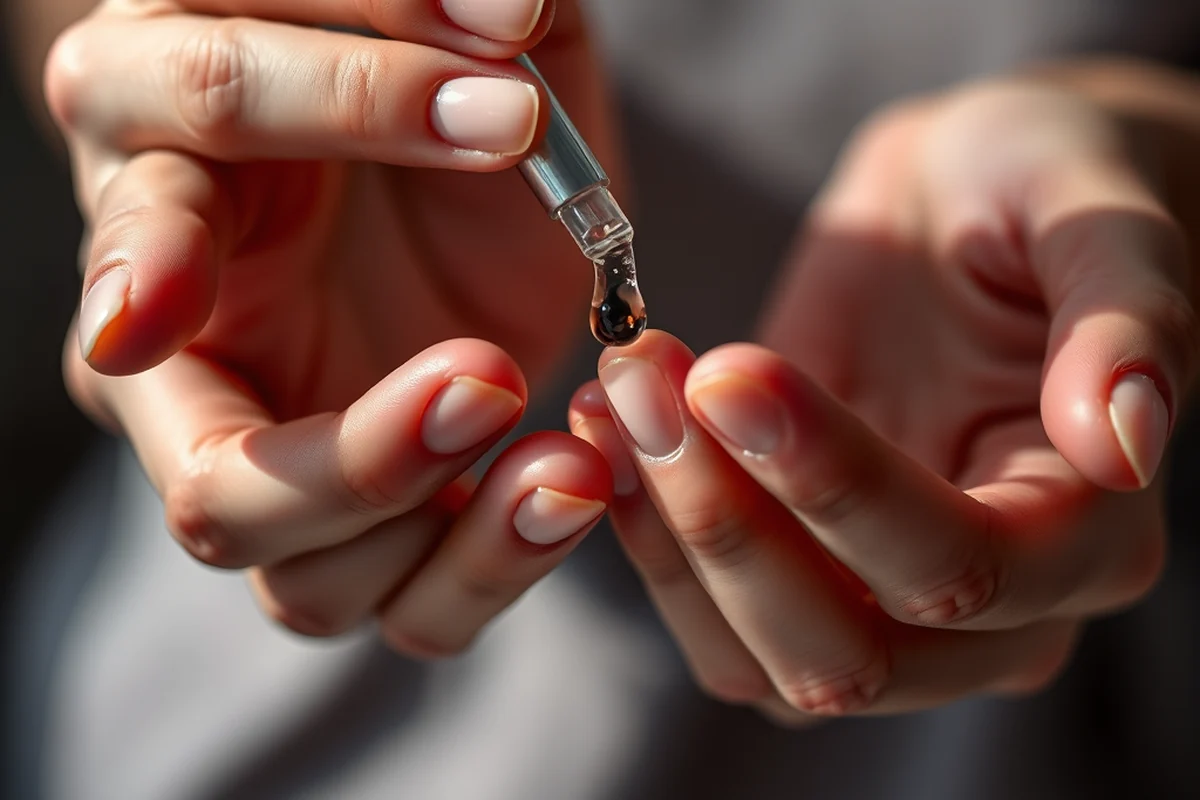
Using the right amount of gel is crucial for achieving a flawless manicure. Too little gel can result in a weak, flaky finish, while too much can cause pooling or an uneven texture. A balanced approach ensures that each layer is applied thinly and evenly, allowing for proper curing.
Professional nail technicians often use a small amount of gel for each layer, ensuring that the polish adheres well to the nail without creating a thick, uneven surface. This technique not only improves the appearance of the manicure but also enhances its durability.
For example, a study by the International Journal of Cosmetic Science found that manicures with even gel application and proper curing lasted 30% longer than those with inconsistent application. This highlights the importance of using the right amount of gel for optimal results.[2]
Related: Shower Gel Beginning With S
Related: Best Beginner Gel Eyeliner
Related: What To Do With Builder Gel Nails
Related: What Is Gel Nails Vs Acrylic
Related: What Are Gel Nails Vs Acrylic Nails
Related: Dnd Gel Nail Polish Set
Related: How Is Gel Nail Polish Set
Related: What Is Opi Gel Nail Polish
Related: Acetone Nail Polish Remover
Related: How To Gel Nail Polish Remover
Related: What Is Cat Eye Gel Nail Polish
Related: Essie Nail Polish
Related: What Is A Gel Polish Set
Related: What Is Best Nail Polish
Related: What'S Best Gel Nail Polish
Can I
Many women opt for gel nails during pregnancy as a way to enjoy a beautiful manicure without the risk of chipping or peeling. However, it’s essential to be cautious about the chemicals used in the gel polish and the UV light curing process. Some ingredients, such as toluene and formaldehyde, may pose risks to pregnant individuals.
To minimize potential risks, it’s recommended to choose a salon that uses 3-free or 5-free gel polish, which excludes harmful chemicals like toluene, formaldehyde, and dibutyl phthalate. This ensures a safer experience for both the client and the baby.[3]
Also, some healthcare providers may advise against gel manicures during the first trimester, as the body is more sensitive to external chemicals. Always consult with your doctor before undergoing any cosmetic treatments during pregnancy.
“Gel polish is a popular, long-lasting alternative to traditional nail polish, offering vibrant color and durability that can outlast conventional formulas”— Gel Nails for Beginners editors
Summer Nails
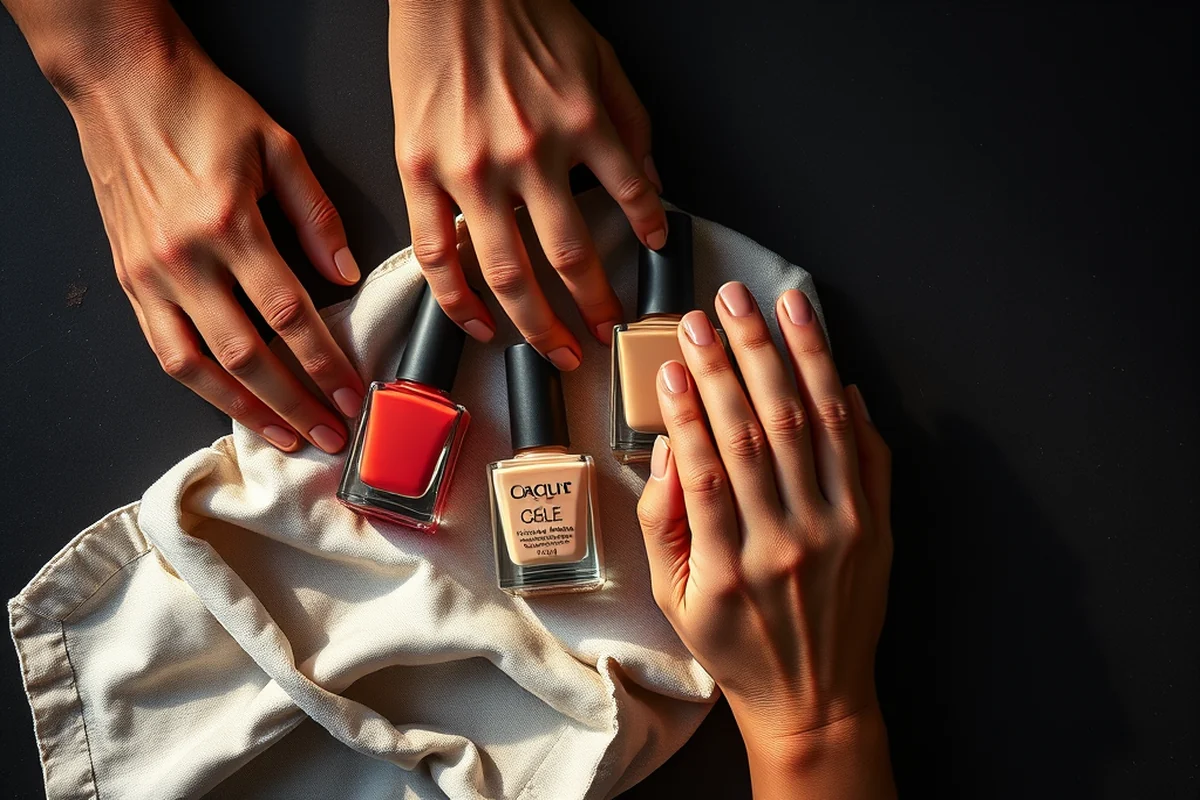
Summer is the perfect time to experiment with bold, vibrant nail colors, and gel polish offers the perfect solution. Its high durability and chip resistance make it an excellent choice for beach days, pool parties, and other outdoor activities where nails are exposed to water and sun.
One of the main advantages of gel polish in the summer is its ability to withstand the elements. Unlike traditional polish, which can easily chip from exposure to water or sun, gel polish maintains its shine and color for weeks. This makes it a popular choice for those who want to keep their nails looking fresh and beautiful all summer long.
For example, a 2026 trend report by the Global Nail Industry Association highlights that 'shellac nails'—a type of gel polish—are expected to be the most popular summer manicure in 2026. This trend is driven by their long-lasting finish and ability to maintain a flawless look even in the most challenging environments.[4]
Should I
The decision to use gel polish should be based on your lifestyle, preferences, and how often you want to maintain your manicure. If you lead a busy life and want your nails to stay beautiful for weeks without frequent touch-ups, gel polish is an excellent choice.
On the other hand, if you prefer a more natural look or want to avoid the maintenance required for gel polish, you may find acrylic nails more suitable. Acrylics can be filed down more easily and are often preferred for those who want to change their nail shape or length frequently.
It’s also worth considering the cost and time investment. While gel polish can be more expensive upfront, it typically lasts longer and requires fewer touch-ups than traditional polish. This makes it a cost-effective option in the long run for those who want a low-maintenance, high-quality manicure.
Nails Acrylic
Acrylic nails are made by combining a liquid monomer with a powder, which is then applied to the natural nail and shaped to the desired form. Once cured, acrylic nails are strong, durable, and can be filed or reshaped as needed. This makes them a popular choice for those who want a more dramatic, long-lasting manicure.
Unlike gel polish, which is applied in layers and cured under a light, acrylic nails are built up in a more flexible, sculpted way. This allows for greater customization, including the ability to create longer nails, add embellishments, or create intricate designs.
However, acrylic nails require more maintenance than gel polish and can be more damaging to natural nails if not properly cared for. It’s important to have them applied by a professional and to follow proper aftercare routines to ensure the health of your natural nails.
Builder Gel
Builder gel is specifically formulated to provide a strong foundation for nail enhancements, making it ideal for clients with thin or damaged nails. It adds volume and strength, allowing for longer, more resilient nails. Unlike regular gel polishes, builder gel is typically applied in thick layers and cured under a UV or LED lamp to harden completely.
This type of gel is often used in conjunction with other gel polish products to create a solid base before applying color or designs. It helps prevent chipping and lifting, ensuring the manicure lasts longer. Builder gel can also be used to sculpt and shape nails, giving them a polished, professional appearance.
When using builder gel, it's important to apply it in thin layers to avoid excessive thickness, which can cause lifting or cracking. Proper application and curing times are essential for achieving the best results. It is a key component in many gel polish systems, providing the structural integrity needed for long-lasting, beautiful manicures.
Shellac Nails
Shellac nails are a hybrid of traditional nail polish and gel polish, offering the best of both worlds. They are applied in a similar way to regular polish but cured under a UV or LED lamp, resulting in a hard, glossy finish that resists chipping and peeling. This makes them a popular choice for those seeking a low-maintenance, long-lasting manicure.
The term 'Shellac' refers to the brand, but it has become synonymous with this type of gel polish in the beauty industry. It is known for its high-quality formula and ability to maintain a smooth, even surface throughout its wear time. Shellac nails are available in a wide range of colors, allowing for creative and personalized manicure designs.
One of the key advantages of Shellac nails is their ability to be removed without damaging the natural nail. Using a specialized remover and a gentle soaking process, the polish can be lifted off in one piece, preserving the health of the nail. This makes Shellac a preferred option for those who want a manicure that lasts and is easy to maintain.
Tools, Materials and Resources
To achieve professional results with gel polish, having the right tools is crucial. A high-quality LED or UV lamp is essential for curing the gel polish properly, ensuring a long-lasting finish. Also, a fine-grit nail file, buffer block, and cuticle pusher are necessary for preparing the nail surface and shaping the nails before applying gel polish.
Choosing the right gel polish products is also key. A reliable set should include a base coat, color polishes, and a top coat. Base coats help adhere the polish to the nail, while top coats provide shine and protection. It's important to select reputable brands known for quality and safety to avoid adverse effects on the nails.
For beginners, investing in a comprehensive starter kit that includes all necessary tools and materials can streamline the process. Online resources, tutorials, and community forums are also valuable for learning techniques and troubleshooting common issues. Always ensure that all tools are clean and properly maintained for hygiene and performance.
Troubleshooting and Common Questions
One of the most common issues with gel polish is lifting or peeling, often caused by improper nail preparation or insufficient curing time. Ensuring the nails are clean, dry, and free of oils is essential before applying gel polish. Also, curing each layer for the recommended time under the LED or UV lamp can prevent lifting and extend wear.[5]
Bubbling or air pockets in the gel polish can occur if the polish is applied too thickly or if the nail is not properly shaped. Applying thin, even coats and using a buffer to smooth the nail surface before application can help eliminate bubbles. It's also important to avoid touching the nail during curing to prevent smudging.
Another frequent question is how to remove gel polish safely. Using a dedicated gel polish remover with a cotton pad and aluminum foil can help speed up the process. It's important to follow the manufacturer's instructions and avoid using harsh chemicals that can damage the nail. Regular maintenance and proper technique will help reduce the likelihood of common issues and ensure long-lasting, beautiful results.
Getting Started: Your First Steps
To get started with gel polish, gather essential tools such as a UV or LED lamp, gel polish sets, nail buffers, and a cuticle pusher. Ensure you have a well-lit, clean workspace to maintain hygiene and precision during the process.
Proper nail preparation is crucial. Begin by shaping your nails, pushing back cuticles, and removing any oils with a nail cleaner. Buff the surface lightly to create a better bond between the gel polish and your natural nail.
Apply a thin layer of base coat, cure it under the lamp, and then apply two coats of color, curing each layer. Finish with a top coat for shine and durability. Practice patience, as mastering gel polish takes time and attention to detail.
🌱 Beginner
The simplest version — minimal supplies, quick win.
💰 Budget
Same result using what you already have.
⚡ Quick
The 10-minute version for busy days.
✨ Advanced
The upgraded version once the basics stick.
| The mistake | Why it happens | The fix |
|---|---|---|
| Applying too much gel polish in one layer. | Applying too much gel can lead to thick, uneven layers that are more prone to chipping and peeling. | Apply thin, even layers and cure each one under the UV or LED light before moving on to the next. |
| Not using the right type of gel polish. | Using a low-quality or incompatible gel polish can lead to poor adhesion and a short lifespan for the manicure. | Choose a reputable brand and always follow the manufacturer's instructions for application and curing. |
| Neglecting aftercare. | Failing to maintain your gel manicure can lead to lifting, chipping, and premature removal. | Use a nail strengthener and avoid excessive exposure to water and harsh chemicals. Regularly apply cuticle oil to keep your nails healthy. |
Common Questions
Are gel polish beginners able to apply it themselves?
How long do gel nails typically last?
Can I get gel nails while pregnant?
What are the best gel nails for summer 2026?
References
- RBG: Regular, Bare, Gel: Does Type of Nail Polish Affect Bacterial ... (clinicaltrials.gov)
- The Ultimate Guide To Gel Polish For Hands And Feet (digitalkarnak.ucsc.edu)
- Listing Nail Products Containing Methyl Methacrylate (MMA (dtsc.ca.gov)
- Cosmetic Products Containing Methylene Chloride - FDA (fda.gov)
- What are the risks of gel and shellac nail manicures? - Go Ask Alice! (goaskalice.columbia.edu)
Cite this guide
Gel Nails for Beginners (2026). Gel Polish. https://careandnail.com/gel-polish/
Feel free to cite or share this guide.