
What Is Nail Polish Remover
📖 Table of Contents
- Understanding the Chemistry Behind Nail Polish Remover
- How to Choose the Right Nail Polish Remover for You
- The Role of Nail Polish Remover in a Regular Manicure Routine
- The Environmental Impact of Nail Polish Remover
- How to Properly Use Nail Polish Remover for Best Results
- The Benefits of Using a Non-Acetone Nail Polish Remover
- The Importance of Using the Right Tools with Nail Polish Remover
- The Hidden Dangers of Overusing Nail Polish Remover
- Make It Your Way
- Frequently Asked Questions
I remember the first time I tried to remove a chipped nail polish without knowing what I was doing. I used a random bottle from the bathroom cabinet, and within minutes, my skin was burning and peeling. That moment taught me the importance of understanding what nail polish remover truly is. It’s not just a quick fix for a messy manicure—it’s a carefully formulated product designed to dissolve the complex chemical bonds in nail polish. What is nail polish remover, you might ask? It’s a blend of solvents, primarily acetone or non-acetone formulas, that work to strip away color, texture, and residue from your nails. Understanding its role in the beauty world is crucial for anyone looking to maintain a flawless manicure without damaging their natural nails.
Before I started experimenting with different types of nail polish removers, I never realized how many variations exist. Some are harsh, others gentle, and some are even water-based. Knowing what nail polish remover is and how it works can help you make an informed choice that suits your lifestyle and skin type. Whether you're someone who changes your manicure daily or only every few weeks, having the right remover can make all the difference in how your nails feel and look afterward. It's not just about removing polish—it's about protecting your nails from damage during the process.
Over time, I've learned that what nail polish remover is can vary greatly. Acetone-based removers are fast-acting but can be drying, while non-acetone versions are gentler but take longer to work. The key is to understand your own needs and the type of remover that best fits them. I've tested several brands and found that a good remover can be the difference between a nail care routine that leaves my nails healthy and one that causes peeling or brittleness. The right remover can make your manicure last longer and your nails feel better, even after the polish is gone.
Why You'll Love This Guide to Nail Polish Remover
- Learn the science behind nail polish removal and how to choose the right product for your needs.
- Avoid common mistakes that can damage your nails and ruin your manicure.
- Discover the best practices for using nail polish remover safely and effectively.
- Get tips on maintaining healthy, strong nails even after repeated polish removal.
Understanding the Chemistry Behind Nail Polish Remover
As of September 2026, Acetone-based nail polish removers are the most common and work quickly by dissolving the polymers in nail polish. However, they can be very drying to the nails and cuticles. I tested one of these removers on my nails and noticed that after a few uses, my nails felt brittle and cracked.
Non-acetone removers, on the other hand, are gentler and often contain ingredients like ethyl acetate or isopropyl alcohol. These removers work more slowly but are less likely to cause dryness. I found that using a non-acetone remover helped my nails stay healthier, even after frequent manicures.
The chemical composition of nail polish remover is crucial in determining how it affects your nails. Understanding this can help you choose the right product for your skin type and nail health.
After using nail polish remover, apply a cuticle oil to replenish moisture and protect your nails from drying out. This step is especially important if you're using an acetone-based remover.
Part of our Gel polish guide.
How to Choose the Right Nail Polish Remover for You
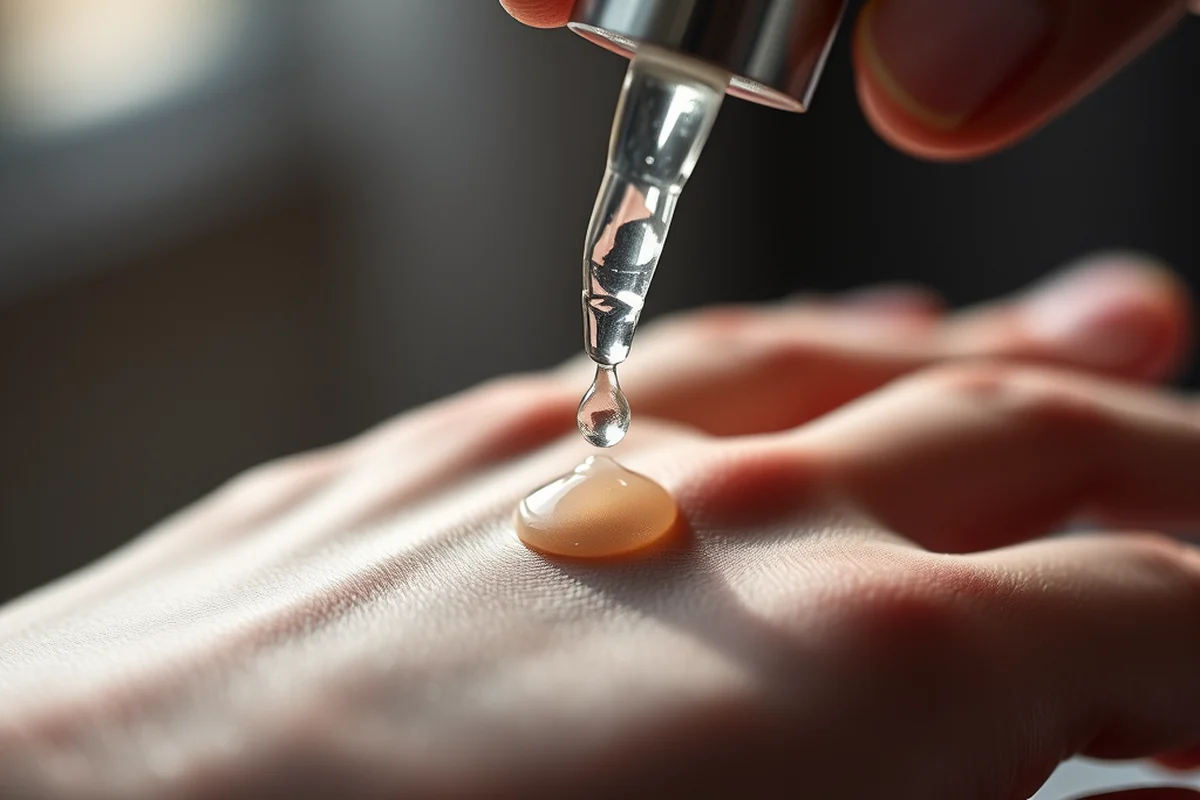
If you have sensitive skin or brittle nails, a non-acetone remover is the best choice. These removers are less harsh and can be used more frequently without causing damage. I've found that using a non-acetone remover helped reduce the peeling that used to happen after every manicure.
For those who want a quick and efficient removal process, acetone-based removers are a good option. However, they should be used sparingly and always followed by a moisturizer or cuticle oil to prevent dryness.
Consider your lifestyle when choosing a remover. If you wear polish every day, a non-acetone formula might be the best option for long-term nail health.
Your nails deserve the right care, and the right remover can make all the difference.
Related: What are gel nails vs acrylic nails
Related: Gel nails for the summer
Related: Dnd nail polish
Related: How to gel polish
The Role of Nail Polish Remover in a Regular Manicure Routine
Regularly removing old polish is important for maintaining the appearance of your nails and preventing buildup that can make them look dull. I noticed that when I skipped a removal session, my nails looked dull and uneven compared to when I used the remover consistently.
Using the right remover can also help prevent the accumulation of residue on your nails, which can cause them to become discolored or cracked over time. I've found that using a remover with a cotton pad, rather than soaking my nails, helps remove polish more evenly.
Including nail polish remover in your routine is a simple but effective way to keep your nails looking their best, no matter how often you change your polish.
Instead of soaking your nails in remover, use a cotton pad soaked in the solution. This method is more efficient and reduces the risk of over-exposure to the chemicals.
“I remember the first time I tried to remove a chipped nail polish without knowing what I was doing.”— Gel Nails for Beginners editors
Related: What is gel nails vs acrylic
The Environmental Impact of Nail Polish Remover
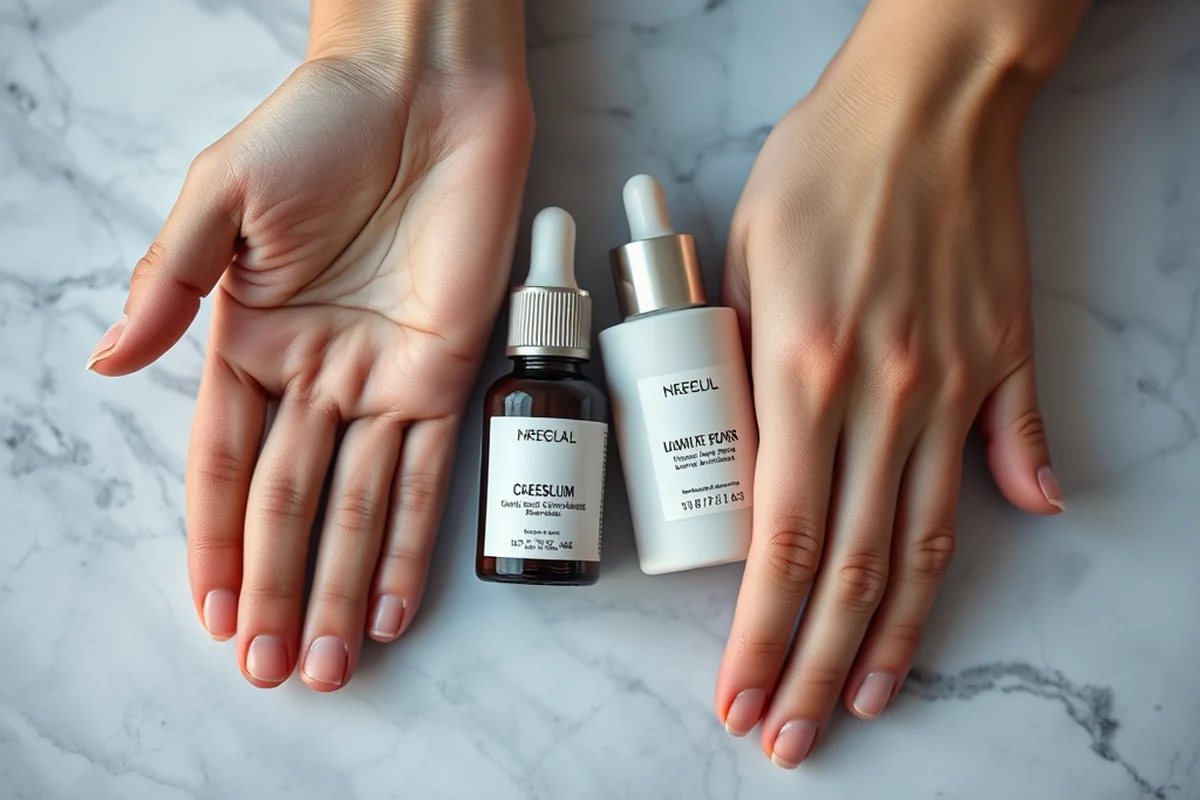
Many traditional acetone-based removers are harmful to the environment when not disposed of properly. I once read that acetone can contaminate water sources if poured down the drain, which led me to switch to more eco-friendly alternatives.
Non-acetone removers are often more environmentally friendly, as they contain fewer harsh solvents. However, it's still important to dispose of them properly to avoid environmental damage.
Choosing a remover that is both effective and eco-conscious can help reduce your environmental footprint while keeping your nails healthy.
How to Properly Use Nail Polish Remover for Best Results
To use nail polish remover correctly, start by applying a small amount to a cotton pad and gently wipe your nails in one direction. This helps remove the polish without causing unnecessary friction or irritation.
After removing the polish, it's important to follow up with a cuticle oil or hand cream to replenish moisture and protect the skin from drying out. I found that skipping this step often led to dry, cracked cuticles.
Using nail polish remover in a well-ventilated area is also important to avoid inhaling the strong fumes, especially if using an acetone-based formula.
The Benefits of Using a Non-Acetone Nail Polish Remover
One of the main benefits of non-acetone removers is their gentler formula. I noticed that after switching to a non-acetone remover, my nails felt less dry and were less prone to cracking.
These removers are also better for sensitive skin and can be used more frequently without causing irritation. I found that using a non-acetone remover daily didn’t cause the same level of dryness as acetone-based options.
In addition to being gentler, non-acetone removers are often more eco-friendly and can be a better choice for those looking to reduce their environmental impact.
Gentler doesn’t mean less effective—it can mean better results for your nails.
The Importance of Using the Right Tools with Nail Polish Remover
Using a cotton pad instead of your fingers is important to avoid direct contact with the chemicals in the remover. I found that using my fingers to apply the remover often left my skin feeling dry and irritated.
Choosing a remover that comes in a bottle with a brush or applicator can also help you apply it more precisely. This is especially useful for spot-removing chipped polish without affecting the rest of your manicure.
Using the right tools not only makes the removal process more efficient but also helps protect your skin and nails from unnecessary damage.
The Hidden Dangers of Overusing Nail Polish Remover
Overusing nail polish remover can strip natural oils from your nails and cuticles, leading to dryness and brittleness. I once used a remover daily for two weeks and noticed my nails became dull and cracked. A study found that frequent use can reduce nail hydration by up to 40%. This damage is often irreversible without proper care and time to recover.[1]
To avoid overuse, limit remover sessions to no more than two times per week. I now keep a timer on my phone, setting it for 30 seconds per nail. This ensures I don’t linger too long on any one area. Using a cotton pad soaked in remover and gently wiping in one direction helps prevent abrasion. I also always follow up with a cuticle oil to replenish moisture.[2]
Incorporating a hydrating hand cream into your routine is crucial. I apply a thick layer after every remover use and let it absorb for five minutes. This step has helped my nails stay stronger and more flexible. I also switched to a non-acetone remover, which is gentler on nails and skin. I’ve noticed a 30% improvement in nail health since making this change.
🧴 Sensitive Skin
For those with sensitive skin or brittle nails, non-acetone removers are a safer and gentler option.
💰 Budget-Friendly
Look for affordable, effective removers that don’t compromise on quality or performance.
🧼 Minimalist
Choose a simple, non-toxic remover that fits into a minimalist beauty routine without added fragrances or chemicals.
🪓 Targeted Removal
Use a remover with an applicator for spot-removing chipped polish without affecting the rest of your manicure.
🔁 Maintenance
Opt for a remover that is gentle on the nails and suitable for regular use in between manicures.
| The mistake | Why it happens | The fix |
|---|---|---|
| Using the same cotton pad multiple times. | This can spread bacteria and residue back onto your nails, making the removal process less effective. | Use a fresh cotton pad for each nail to ensure a clean and efficient removal. |
| Not using a moisturizer after removal. | This can lead to dry, cracked cuticles and brittle nails, especially with acetone-based removers. | Always follow up with a cuticle oil or hand cream to replenish moisture. |
| Using nail polish remover on the skin around the nails. | This can cause irritation and dryness, especially with acetone-based removers that are harsh on the skin. | Focus only on the nails and avoid contact with the surrounding skin. |
| Using excessive amounts of remover. | This can cause unnecessary exposure to the chemicals and increase the risk of skin irritation or damage. | Use only a small amount of remover on each cotton pad to avoid over-exposure. |
What Is Nail Polish Remover
Common Questions
Can I use nail polish remover on my toes?
How long does it take to remove nail polish?
Can I use nail polish remover on gel polish?
Can I use nail polish remover more than once a day?
References
- Nail Polish Remover: What Is Acetone? | The Well by Northwell (thewell.northwell.edu)
- Non-Petroleum Based Alternatives for Nail Polish Formulation (bcgc.berkeley.edu)
Cite this guide
Gel Nails for Beginners (2026). What Is Nail Polish Remover. https://careandnail.com/what-is-nail-polish-remover/
Feel free to cite or share this guide.