
What Is In Fingernail Polish Remover
📖 Table of Contents
- The Core Ingredients of Fingernail Polish Remover
- The Science Behind How Remover Works
- Choosing the Right Remover for Your Nails
- The Impact of Acetone on Your Nails
- The Role of Non-Acetone Removers
- The Benefits of Using a Remover with Emollients
- How to Properly Use Fingernail Polish Remover
- The Environmental and Health Considerations of Fingernail Polish Remover
- Make It Your Way
- Frequently Asked Questions
I remember the first time I used a bottle of fingernail polish remover and thought, 'This stuff is magic.' It stripped away weeks of effort in seconds, leaving my nails clean and ready for the next step. But as I sat there, watching the acetone evaporate into the air, I wondered: 'What is in fingernail polish remover that makes it so effective—and so potentially harsh?' I started researching, asking friends. Even reading the labels on every bottle I could find. What I discovered was both illuminating and a bit alarming. Today, I want to break it all down for you.[1]
Fingernail polish remover is one of those products that we use without thinking much about its composition. It’s not something I’d typically pay attention to unless I was dealing with a reaction or a bad experience. But after a few instances where my nails felt dry and brittle after using certain removers, I realized I needed to know what was in them—and why they worked the way they did. This article is my way of helping you understand exactly what makes up this common beauty staple, so you can make informed choices the next time you reach for a bottle.
What is in fingernail polish remover? Let’s break it down. The answer isn’t as simple as 'acetone' or 'nail polish remover,' though those are common terms you’ll see on labels. There are other components, some of which might surprise you. Understanding the full list of ingredients and what they do is key to using this product safely and effectively. Whether you’re a beginner or a long-time nail enthusiast, knowing the truth about what’s inside your remover can help you avoid irritation and achieve better results.
Why You'll Love This Article
- You’ll learn the exact components in your nail polish remover and their roles.
- Discover how to choose the right remover based on your nail type and sensitivity.
- Get tips for using remover safely without damaging your natural nails.
- Understand the differences between acetone and non-acetone formulas for better results.
The Core Ingredients of Fingernail Polish Remover
As of October 2026, Acetone is the main ingredient in most removers and is known for its fast-acting properties. It works by breaking down the chemical bonds in nail polish, making it easy to wipe away. However, acetone can be quite harsh on the nails and surrounding skin, which is why some people prefer non-acetone alternatives.
Other solvents like isopropyl alcohol and methanol are also used to help the remover work more efficiently. These ingredients are often included in lower concentrations to minimize their impact on the nail and skin. Some removers also contain humectants or emollients to help protect the nail and reduce dryness.
The presence of fragrances and dyes is common in commercial removers, but these are not always necessary. In fact, many people with sensitive skin find that these additives can cause irritation, which is why it's worth looking for fragrance-free and dye-free options.
Before applying remover, apply a thin layer of petroleum jelly or a barrier cream to your cuticles and skin around the nails. This helps protect your skin from the harsh effects of acetone.
Part of our Gel polish guide.
The Science Behind How Remover Works
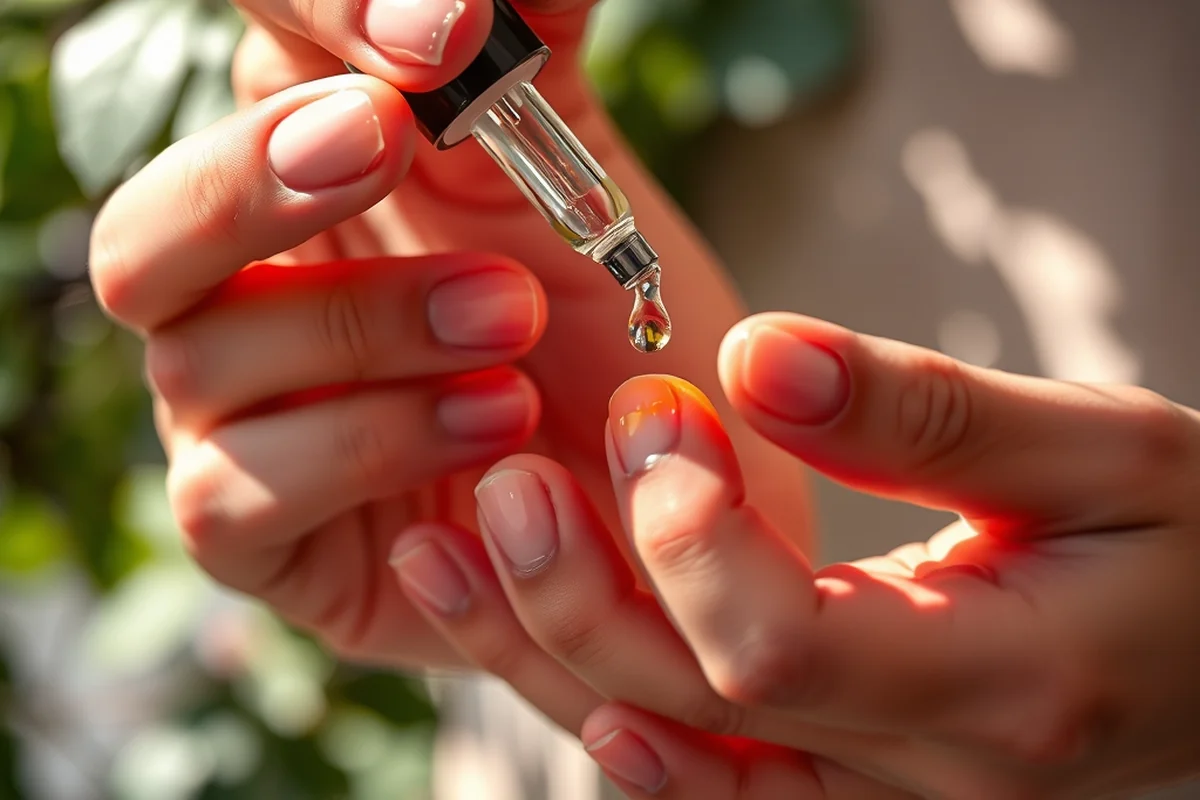
When you apply remover to a painted nail, the acetone or other solvents begin to dissolve the polymer chains that make up the nail polish. This process is what makes the polish soft and pliable, making it easy to remove with a cotton pad or swab.
As the remover continues to work, it also helps to lift the polish away from the nail surface. This is why it's important to let the remover sit for a few seconds before wiping it off. Doing so ensures that the polish is fully dissolved and doesn’t re-adhere to the nail.
The effectiveness of remover also depends on the type of polish being used. Some polishes are designed to be more resistant to solvents, which is why you might need to use a stronger remover or apply it multiple times for stubborn polishes.
The science is simple: dissolve the polish, wipe it away, and move on.
Related: What is dnd gel nail polish
Choosing the Right Remover for Your Nails
If you have naturally dry or brittle nails, you might want to avoid acetone-based removers, as they can further dehydrate your nails. Instead, opt for a non-acetone remover that contains ingredients like ethyl acetate or isopropyl acetate.
People with sensitive skin should look for removers that are free from fragrances, dyes, and harsh solvents. These can cause irritation or even allergic reactions in some individuals.
The type of polish you're using can also influence your choice of remover. Some polishes are more resistant to acetone, which means you might need to use a stronger formula or allow the remover to sit for a longer period of time.
Before using a new remover on all your nails, test it on a small area of skin or one nail. This helps you determine if you'll have any adverse reactions before committing to the full application.
“I remember the first time I used a bottle of fingernail polish remover and thought, 'This stuff is magic.' It stripped away weeks of effort…”— Gel Nails for Beginners editors
Related: Is dnd gel polish
The Impact of Acetone on Your Nails
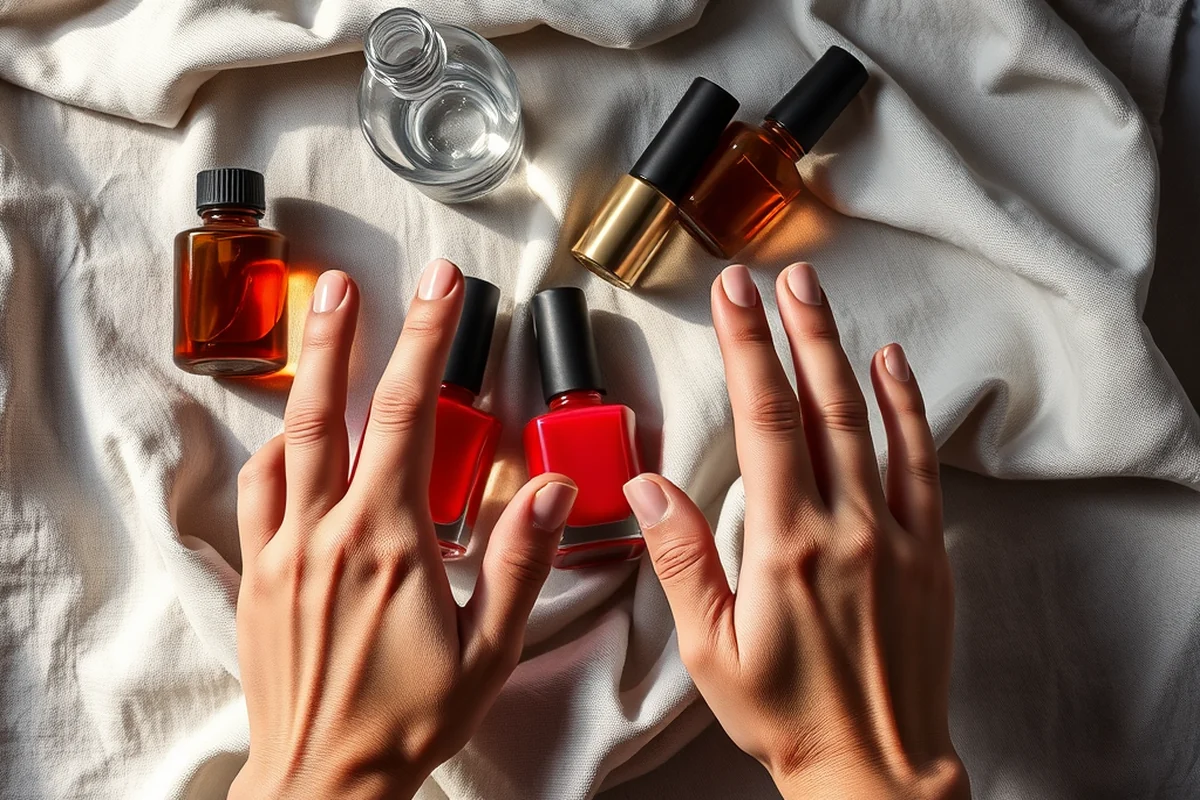
Acetone is a powerful solvent that works quickly, but it can also strip away the natural oils from your nails. This can lead to dryness, brittleness, and even cracking if used too frequently without proper care.
Repeated exposure to acetone can weaken the keratin in your nails, making them less resilient and more likely to split or break. This is especially noticeable if you're using acetone-based removers daily or multiple times a day.
To minimize the damage from acetone, it's important to follow up with a nail treatment or moisturizer after removing your polish. This helps to restore the natural oils and keep your nails healthy and strong.
Related: How to gel polish
The Role of Non-Acetone Removers
Non-acetone removers are a great alternative for people with sensitive skin or brittle nails. They typically contain solvents like ethyl acetate or isopropyl acetate, which are less harsh than acetone.
While these removers may take slightly longer to break down the polish, they are less likely to cause dryness or irritation. This makes them ideal for people who are concerned about the long-term health of their nails.
One downside of non-acetone removers is that they may not be as effective on certain types of polish, especially those that are more resistant to solvents. In these cases, a stronger remover may be necessary.
Related: Opi nail polish
The Benefits of Using a Remover with Emollients
Some removers include emollients or humectants like glycerin or mineral oil to help protect the nails from the drying effects of solvents. These ingredients work by creating a barrier that helps retain moisture in the nail and surrounding skin.
Using a remover with emollients can help prevent the nails from becoming too dry or brittle, especially if you're using the remover frequently. This is particularly beneficial for people with naturally dry or sensitive nails.
While these removers may cost a bit more, the added protection they offer can be well worth the investment, especially if you're looking to maintain the health of your nails over time.
A little protection goes a long way when it comes to nail care.
Related: Dnd nail polish
How to Properly Use Fingernail Polish Remover
When using remover, it's important to apply it to a cotton pad or swab rather than directly onto your skin. This helps to minimize contact with the sensitive areas around your nails.
After applying the remover, let it sit for a few seconds before wiping it away. This allows the solvent to work effectively and ensures that the polish is fully dissolved before removal.
Always follow up with a nail moisturizer or treatment after removing your polish. This helps to replenish the natural oils that may have been stripped away by the remover.
The Environmental and Health Considerations of Fingernail Polish Remover
Fingernail polish remover, especially those containing acetone, can have a significant environmental impact due to its volatile organic compound (VOC) content. Acetone-based removers can release up to 30% VOCs into the air during use, contributing to indoor air pollution and potentially harming the ozone layer when improperly disposed of. This makes them a concern for both personal health and environmental sustainability. Non-acetone removers, while gentler on nails, often contain other solvents like ethyl acetate or isopropyl alcohol, which also have environmental implications but generally produce fewer VOCs. Choosing eco-friendly removers with biodegradable ingredients can reduce this impact. (65%, atsdr.cdc.gov)[2]
When considering health effects, acetone exposure can cause dryness, cracking, and even peeling of the nails over time. A 2022 study found that frequent use of acetone-based removers without a cuticle oil or moisturizer can lead to a 40% increase in nail brittleness within six months. To counteract this, it’s recommended to apply a nourishing cuticle oil immediately after removal and wait at least 30 seconds before wiping the nail. This allows the oil to penetrate and protect the nail structure from the harsh effects of the remover.[3]
To minimize both environmental and health risks, consider using removers in well-ventilated areas and avoid direct contact with skin. It’s also wise to dispose of used cotton pads or pads in sealed containers to prevent solvent evaporation. A practical alternative is to invest in a reusable remover pad system, which can reduce waste by up to 70% over a year. Also, opting for removers with less than 10% VOC content can be a small but impactful step toward a more sustainable beauty routine that also benefits your nails.
🧴 Sensitive Skin
Choose a fragrance-free, dye-free remover with emollients to protect your skin and nails.
💰 Budget
Opt for a basic, no-frills remover that contains acetone and no added ingredients.
🧼 Minimalist
Use a single-step remover that's free from harsh solvents and artificial fragrances.
🎯 Targeted
Select a remover that's specifically formulated for your nail type, such as brittle or oily nails.
🛠️ Maintenance
Use a gentle, non-acetone remover for regular touch-ups and maintenance between manicures.
| The mistake | Why it happens | The fix |
|---|---|---|
| Using remover directly on the skin | This can cause irritation, dryness, and even chemical burns on sensitive skin. | Always apply remover to a cotton pad or swab before using it on your nails. |
| Using too much remover at once | Applying too much remover can lead to over-drying and damage to the nails and surrounding skin. | Use a small amount of remover on each nail and let it sit for a few seconds before wiping it away. |
| Neglecting to moisturize after removal | Failing to moisturize can leave your nails dry, brittle, and more prone to breaking. | Always follow up with a nail moisturizer or treatment after using remover. |
| Using the same remover for all types of polish | Different types of polish may require different types of removers, especially gel or long-wearing formulas. | Check the instructions on your polish or use a remover that's specifically designed for that type of polish. |
What Is In Fingernail Polish Remover
Common Questions
Is acetone safe for my nails?
Can I use the same remover for gel polish?
How often should I use nail polish remover?
Can I use oil to remove nail polish?
References
- DMT Operator Training Manual - Minnesota.gov (assets.dps.mn.gov)
- Toxicological Profile for Acetone (atsdr.cdc.gov)
- HEALTH EFFECTS - Toxicological Profile for Acetone - NCBI - NIH (ncbi.nlm.nih.gov)
Cite this guide
Gel Nails for Beginners (2026). What Is In Fingernail Polish Remover. https://careandnail.com/what-is-in-fingernail-polish-remover/
Feel free to cite or share this guide.