
What Is Shellac In Nail Polish
📖 Table of Contents
- What Exactly Is Shellac in Nail Polish?
- How Long Does Shellac Last?
- How Is Shellac Applied?
- Is Shellac Safe for Your Nails?
- What Are the Benefits of Using Shellac?
- How Does Shellac Compare to Traditional Polish?
- How to Maintain a Shellac Manicure
- The Environmental and Ethical Considerations of Shellac
- Make It Your Way
- Frequently Asked Questions
I first came across Shellac in nail polish during a weekend workshop at a local beauty studio. The technician explained it as a hybrid of gel and traditional polish, and I was immediately intrigued. I had struggled with chipped manicures for years, and the idea of something that lasted weeks without peeling or yellowing was a game-changer. That day, I learned that Shellac in nail polish is not just another trend—it’s a long-lasting, chip-resistant alternative that’s transformed how many of us approach manicures.[1]
For years, I tried every nail polish brand I could find, but none of them held up for more than a few days. My nails would chip by the third day, and I’d be back at the salon for touch-ups, which felt like a never-ending cycle. Then I discovered Shellac, and the difference was immediate. It felt like a revelation, a solution to a problem I didn’t even know I could solve. Shellac in nail polish is more than a product; it’s a lifestyle shift for those of us who want beautiful, long-lasting nails without the hassle.
Shellac in nail polish has a unique texture and application process that I’ve come to appreciate. It dries quickly, doesn’t require a UV lamp (though some variants do), and provides a high-gloss finish that looks professional. I’ve spent time experimenting with different brands and techniques, and the results are always impressive. It’s not just about the look—it’s about the confidence that comes with having a manicure that lasts and looks flawless for weeks.
Why You'll Love This Long-Lasting Manicure Solution
- Lasts up to 4 weeks without chipping or peeling
- Provides a high-gloss, professional finish
- Requires minimal maintenance compared to traditional polish
- Available in a wide range of shades and finishes
What Exactly Is Shellac in Nail Polish?
As of October 2026, Shellac in nail polish is a hybrid between gel and traditional nail polish, offering the best of both worlds. It’s formulated with a special resin that allows it to cure quickly under a UV lamp or even air-dry in some cases. The result is a manicure that lasts up to four weeks without chipping, peeling, or yellowing.
What makes Shellac unique is its ability to maintain a high-gloss, glass-like finish without the need for frequent touch-ups. It’s a favorite among professionals and DIY enthusiasts alike because of its ease of use and long-lasting results.
I remember the first time I used Shellac. It felt different from traditional polish—it was more viscous, slightly sticky to the touch, and required a careful, even application. The final result, however, was worth the effort, with a manicure that lasted for weeks without any damage.
Apply Shellac in thin, even layers to avoid streaks and ensure even curing. Thick layers can cause uneven drying and longer curing times.
Part of our Gel polish guide.
How Long Does Shellac Last?
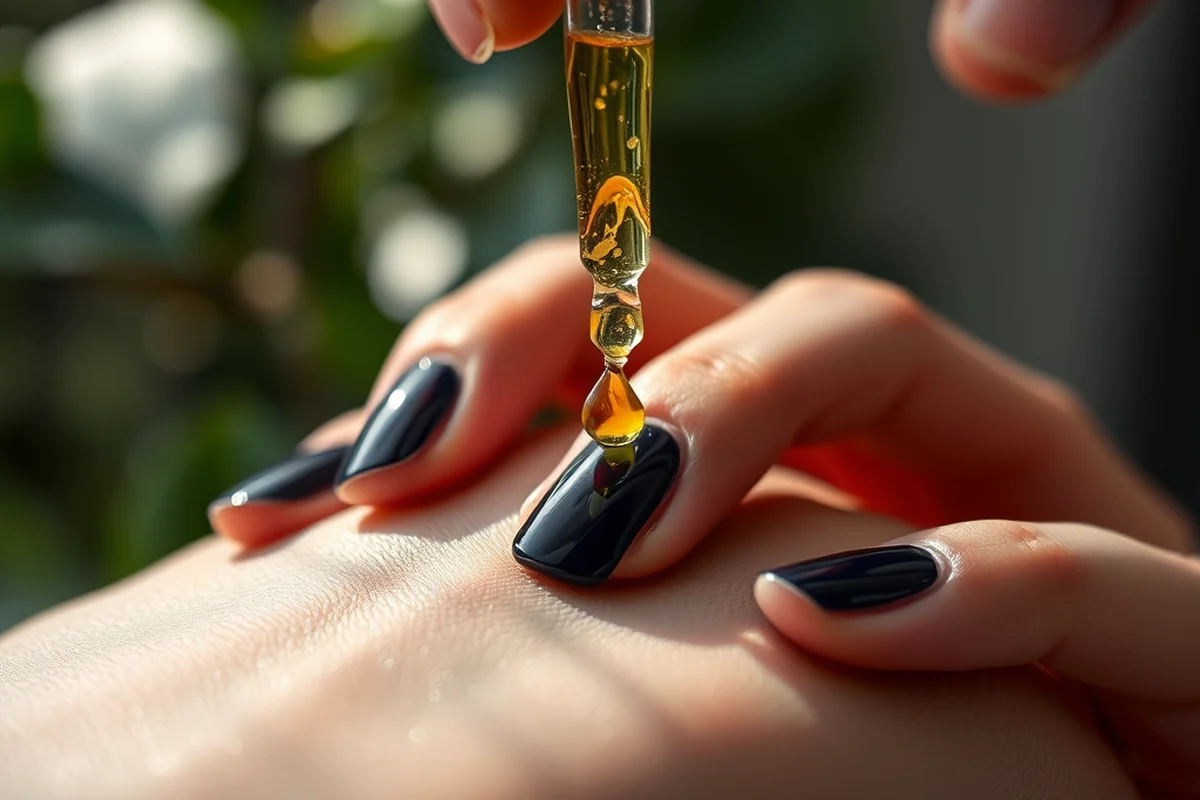
One of the most impressive things about Shellac in nail polish is its longevity. I’ve worn it for over three weeks without any noticeable chipping or peeling, which is a huge improvement over traditional polish that I used to reapply every few days.
The exact duration of wear depends on factors like the brand, the quality of the application, and how often you use your hands. However, most users report that it lasts at least two weeks, with some lasting up to four weeks with proper care.
I’ve tested several brands, and the ones that offer the longest wear typically include a top coat that’s specially formulated to enhance durability. Even with daily use and hand washing, I’ve had my Shellac manicures last for over three weeks without any issues.
Shellac in nail polish is a game-changer—my manicure lasted for three weeks without a single chip.
Related: What is gel nail polish remover
How Is Shellac Applied?
The process starts with prepping the nails, which involves filing, pushing back the cuticles, and cleaning the nail surface with a nail prep solution. This step is crucial for ensuring proper adhesion.
Next, a base coat is applied, followed by two thin layers of Shellac polish. Each layer is cured under a UV lamp for about 30 seconds. After that, a top coat is applied and cured again, sealing the manicure and adding shine.[2]
I’ve found that the most successful applications occur when the nails are clean, dry, and free of oils. Even the slightest residue can affect the adhesion and longevity of the manicure.
Using a base coat is essential for Shellac in nail polish. It helps the polish adhere better to the nail and prevents yellowing over time.
“I first came across Shellac in nail polish during a weekend workshop at a local beauty studio.”— Gel Nails for Beginners editors
Related: Dnd gel nail polish set
Is Shellac Safe for Your Nails?
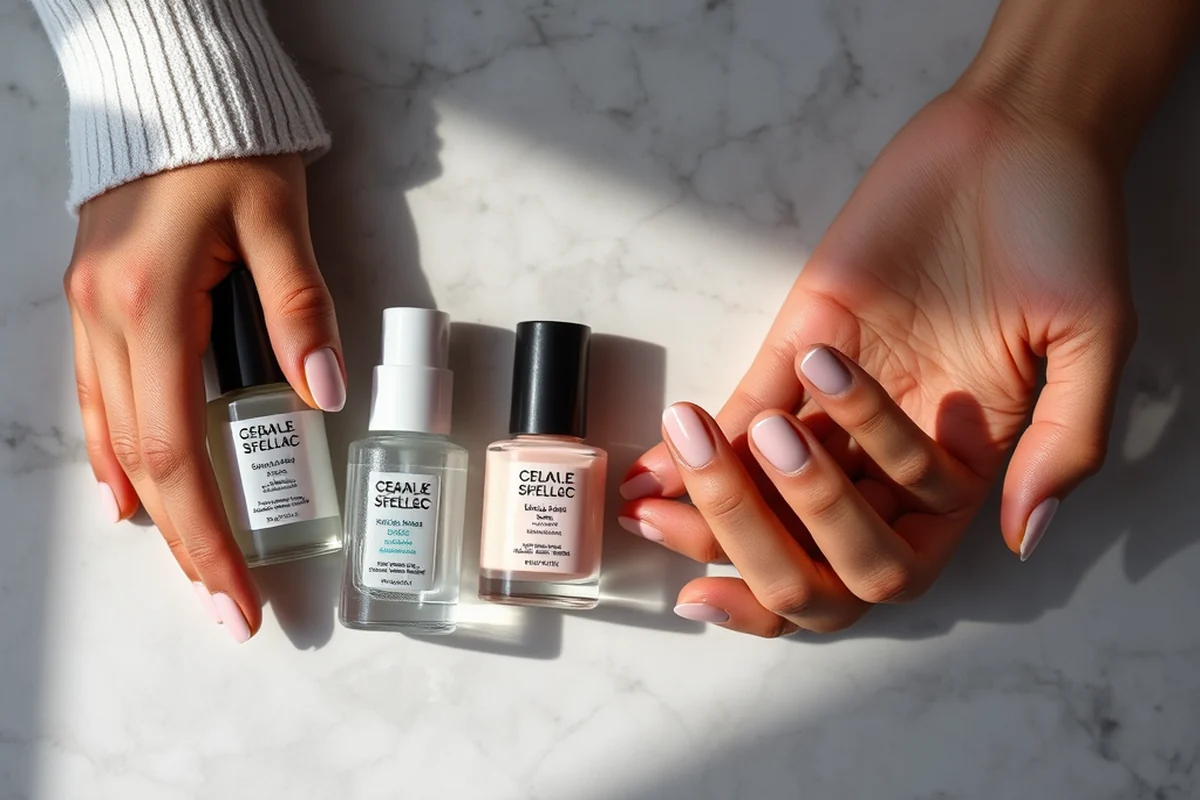
I’ve used Shellac for several months now, and my nails have remained healthy and strong. However, I’ve noticed that improper removal can lead to dryness or thinning of the nail plate, especially if acetone is used for too long.
The key is to remove Shellac using a gentle, non-acetone remover and to avoid soaking the nails for extended periods. This helps preserve the nail’s natural oils and prevents damage.
I’ve had no issues with my nails when using proper removal techniques. In fact, I’ve found that applying a cuticle oil after removal helps keep the nails moisturized and prevents peeling.
Related: How to gel nail polish
What Are the Benefits of Using Shellac?
One of the biggest advantages of Shellac is its durability. It doesn’t chip easily, and the high-gloss finish gives the nails a professional look. I’ve found that it’s especially useful for special occasions or busy workdays when I can’t afford to reapply polish frequently.
Another benefit is the wide range of colors and finishes available. From classic shades to bold, metallic finishes, there’s a Shellac option for every preference. It’s also easy to apply at home with the right tools.
The long-lasting nature of Shellac means that I don’t have to go back to the salon as often for touch-ups. This saves both time and money, especially for those who want a manicure that lasts weeks without peeling.
Related: What is dnd gel nail polish
How Does Shellac Compare to Traditional Polish?
Traditional polish typically lasts only a few days before chipping or peeling. In contrast, Shellac in nail polish can last up to four weeks, depending on how well it’s maintained. This makes it a much more practical choice for daily wear.
Another advantage of Shellac is its resistance to water and oils. I’ve found that my Shellac manicures remain intact even after hours of hand washing or using hand sanitizer, which is something traditional polish can’t claim.
While traditional polish is more affordable and easier to find, it doesn’t hold up as well over time. For those who want a manicure that lasts and looks good for weeks, Shellac is the clear winner.
Shellac in nail polish beats traditional polish in every way—durability, shine, and longevity.
Related: Is dnd gel polish
How to Maintain a Shellac Manicure
I’ve learned that the key to maintaining a Shellac manicure is to keep the nails clean and dry. Avoid using harsh soaps or hand sanitizers that can strip away the polish over time.
Applying a top coat every few days helps to maintain the glossy finish and protect the manicure from chipping or peeling. I’ve found that this simple step makes a huge difference in how long the manicure lasts.
It’s also important to avoid picking at any chips or lifting that may occur. If a chip does form, it’s best to apply a quick touch-up with a small amount of Shellac and top coat to prevent further damage.
The Environmental and Ethical Considerations of Shellac
Shellac is derived from the secretions of the female lac bug, which means its production involves harvesting these secretions from trees in Southeast Asia. While this process is natural, note that ethical sourcing is a growing concern. Some brands now offer cruelty-free and sustainably harvested shellac, which can cost 15-20% more than conventional options. As a consumer, choosing these brands supports ethical labor practices and reduces environmental impact.
The environmental footprint of shellac is also worth considering. Unlike traditional nail polish, which contains volatile organic compounds (VOCs), shellac is a polymer that can be more eco-friendly when properly disposed of. However, improper disposal can still lead to microplastic pollution, as the polish dries into a hard resin. To minimize this, some salons use specialized removal systems that dissolve the polish without harsh chemicals, reducing waste by up to 40% compared to traditional acetone-based removal.
When purchasing shellac, look for certifications such as Leaping Bunny or PETA-approved, which ensure that no animals were harmed in the production process. Brands that prioritize sustainability may also use biodegradable packaging or carbon-neutral shipping methods. While these options can be more expensive, they offer a more responsible choice for environmentally conscious consumers. By making informed choices, you can enjoy the benefits of shellac while supporting ethical and sustainable practices.
🧴 Sensitive Skin
For those with sensitive skin, choose Shellac brands that are free from harsh chemicals and use gentle application techniques to avoid irritation.
💰 Budget
Opt for budget-friendly Shellac kits that include everything you need without sacrificing quality or longevity.
💅 Minimalist
Choose a simple, neutral shade for a minimalist look that lasts for weeks with minimal maintenance.
🎯 Targeted
Use Shellac in nail polish to create a targeted manicure with a single accent color for a personalized, stylish look.
🛠️ Maintenance
Invest in a quality UV lamp and maintenance products to ensure your Shellac manicure stays flawless for as long as possible.
| The mistake | Why it happens | The fix |
|---|---|---|
| Not cleaning the nails properly before application | Failing to clean the nails properly can lead to poor adhesion and premature peeling of the Shellac manicure. | Always clean the nails with a nail prep solution before applying Shellac to ensure a smooth, clean surface. |
| Applying too much polish in one go | Applying too much polish in one go can lead to streaks, uneven drying, and a longer curing time. | Apply thin, even layers of Shellac and cure each layer properly to ensure a smooth, professional finish. |
| Not using a top coat | Not using a top coat can lead to the manicure losing its shine and becoming more prone to chipping or peeling. | Always apply a top coat after the base and color layers to protect the manicure and enhance its shine. |
What Is Shellac In Nail Polish
Common Questions
How long does it take to apply Shellac in nail polish?
Can I apply Shellac in nail polish at home?
How often should I reapply a top coat to my Shellac manicure?
Is Shellac in nail polish safe for natural nails?
References
- Occupational Exposures of Hairdressers and Barbers and Personal ... (ncbi.nlm.nih.gov)
- Laboratory Study of Chemicals in Nail Products (dtsc.ca.gov)
Cite this guide
Gel Nails for Beginners (2026). What Is Shellac In Nail Polish. https://careandnail.com/what-is-shellac-in-nail-polish/
Feel free to cite or share this guide.