
What Is Hema Free Gel Polish
📖 Table of Contents
- What Exactly Is HEMA-Free Gel Polish?
- How Does HEMA-Free Gel Polish Work?
- Why Choose HEMA-Free Gel Polish?
- The Benefits of HEMA-Free Gel Polish for Sensitive Skin
- How to Apply HEMA-Free Gel Polish
- Long-Term Effects of Using HEMA-Free Gel Polish
- What to Expect When Switching to HEMA-Free Gel Polish
- The Environmental and Ethical Considerations of HEMA-Free Gel Polish
- Make It Your Way
- Frequently Asked Questions
The first time I noticed a difference in my gel polish was when it didn't cause the usual red, peeling patches on my nails. I had always assumed that the slight burning sensation I felt during the curing process was normal. It wasn't until I discovered HEMA-free gel polish that I realized just how much my nails had been suffering. HEMA, or hydroxyethyl methacrylate, is a common ingredient in many gel polishes, but it can be a nightmare for people with sensitive skin, causing everything from mild irritation to severe allergic reactions. This discovery changed everything for me.[4]
I remember walking into a nail salon for the first time after switching to HEMA-free gel polish and being surprised by how calm and comfortable my hands felt. It was like a switch had flipped—no more tingling, no more dry, cracked cuticles. That day, I realized that not all gel polishes are created equal, and that the choice of product could make a huge difference in my overall nail health. My nails were no longer just a canvas for color; they were a part of my well-being.
Since making the switch to HEMA-free gel polish, I've noticed that my natural nails are stronger, and I no longer need to use artificial nail strengtheners or fillers to keep them from breaking. My manicures last longer, and the color stays vibrant without fading or chipping. It's not just about looking good anymore; it's about feeling good, and that's something that I never expected to get from a simple change in nail polish.
Why You'll Love This HEMA-Free Gel Polish
- No more redness or irritation on your skin, even after long manicures.
- Your natural nails will feel stronger and healthier over time.
- Color lasts longer without chipping or fading, even with daily use.
- Safe for people with sensitive skin, making it a go-to for everyone.
What Exactly Is HEMA-Free Gel Polish?
As of October 2026, HEMA-free gel polish is a safe and effective alternative for those with sensitive skin. Unlike traditional gel polishes that contain HEMA, this type of polish is formulated without the harmful chemical, making it a better choice for people who experience adverse reactions to standard manicures.
I remember my first time trying HEMA-free gel polish—it felt like a revelation. The polish applied smoothly, cured quickly, and didn't cause any of the usual discomfort I had grown accustomed to with other products. My nails looked just as vibrant, if not more so, than they had with traditional gel polish.
This type of polish is also popular among professionals who want to provide their clients with a safer, more comfortable experience. It's a win-win for both the client and the nail technician, as it reduces the risk of allergic reactions and keeps the nails in better condition overall.
Apply thin coats of HEMA-free gel polish to avoid buildup and ensure even curing. This helps the polish last longer and reduces the risk of cracking.
Part of our Gel polish guide.
How Does HEMA-Free Gel Polish Work?
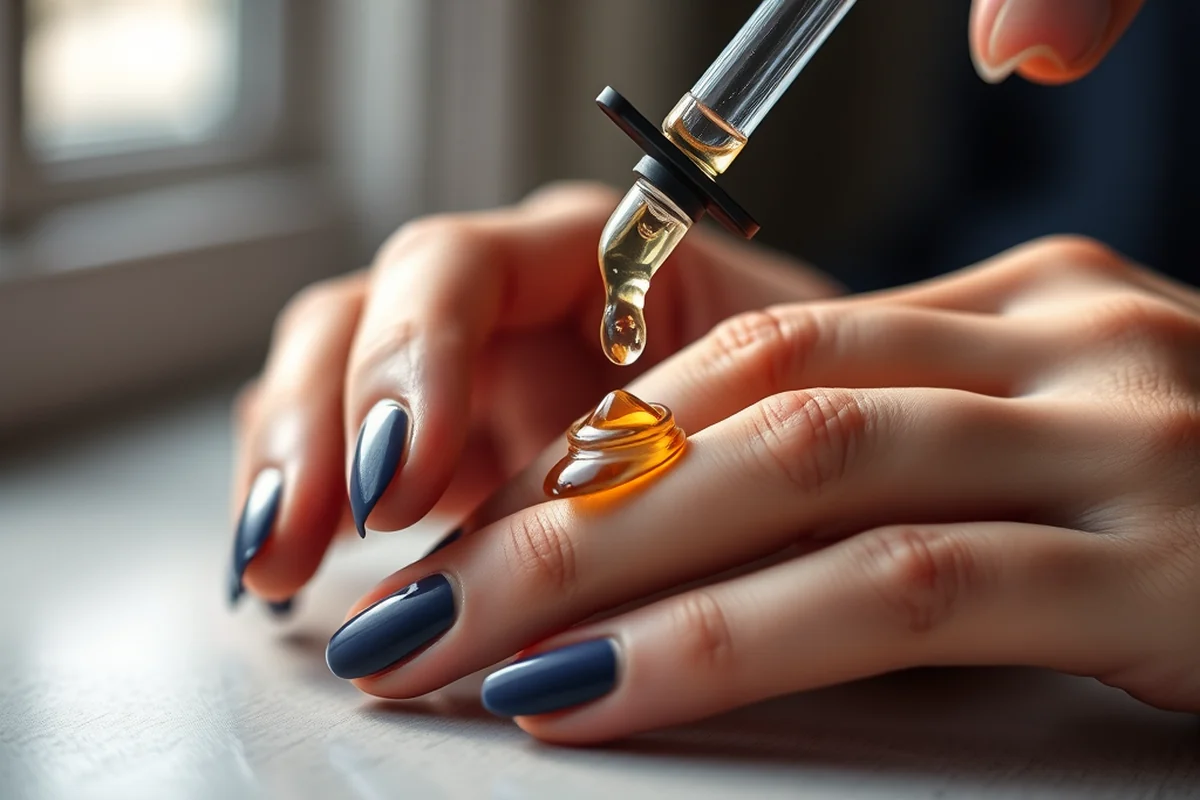
The bonding process of HEMA-free gel polish is similar to traditional gel polish, but it uses different monomers that are less likely to irritate the skin. This means that the polish can adhere to the nail just as well as traditional gel polish, without the risk of causing allergic reactions.
I noticed that the curing time was slightly shorter with HEMA-free gel polish, which made the process more efficient for me. It also felt less sticky after curing, which made it easier to handle without smudging.
The formula is designed to be more flexible, which helps prevent cracking and peeling over time. This means that the polish is less likely to chip or lift, even with regular use.
The formula is designed to be more flexible, which helps prevent cracking and peeling over time.
Related: How to gel nail polish
Why Choose HEMA-Free Gel Polish?
The benefits of HEMA-free gel polish are numerous. It is less likely to cause allergic reactions, it's gentler on the skin, and it helps keep natural nails in better condition. It's a great choice for anyone who wants a long-lasting manicure without the associated discomfort.
I've noticed that my nails are less prone to breaking and splitting since I've been using HEMA-free gel polish. It's also helped reduce the dryness and cracking that I used to experience after regular manicures.
This type of polish is also more popular among professionals because it's safer for clients and easier to apply. It's a win-win for both the client and the nail technician.
Look for reputable brands that specifically state their products are HEMA-free. Not all products that claim to be 'safe' are actually HEMA-free, so it's important to check the label.
“The first time I noticed a difference in my gel polish was when it didn't cause the usual red, peeling patches on my nails.”— Gel Nails for Beginners editors
Related: What is dnd gel nail polish
The Benefits of HEMA-Free Gel Polish for Sensitive Skin
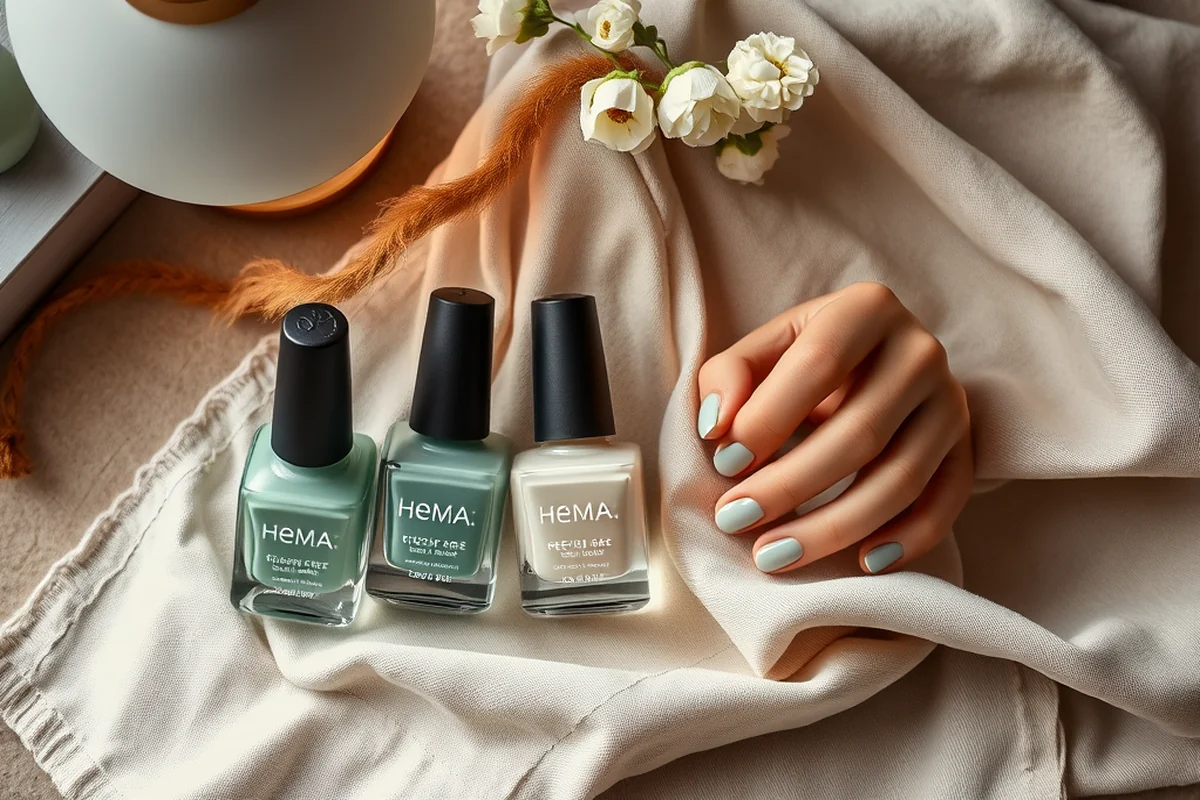
For people with sensitive skin, HEMA-free gel polish is a game-changer. It eliminates the risk of irritation and allergic reactions that can occur with traditional gel polish. This makes it a safer choice for those who are prone to skin sensitivity.
I used to have a bad reaction to most gel polishes, but since switching to HEMA-free, I haven't had any issues. My skin no longer itches or feels dry after a manicure, and my nails look just as good as ever.
This type of polish is also less likely to cause redness or swelling around the nail area, which is a relief for those who have had problems with other products.
Related: Is dnd gel polish
How to Apply HEMA-Free Gel Polish
To apply HEMA-free gel polish, start by preparing your nails as you would with any other gel polish. This includes cleaning the nails, pushing back the cuticles, and applying a base coat. Then, apply the polish in thin, even strokes.
I find that applying thin layers of HEMA-free gel polish helps the polish cure more evenly and prevents the polish from becoming too thick. This also helps the polish last longer without chipping or peeling.
After applying the polish, cure it under a UV or LED light for the recommended time. This ensures that the polish adheres properly to the nail and sets into a smooth, even finish.[1]
Related: How to gel polish
Long-Term Effects of Using HEMA-Free Gel Polish
Over time, using HEMA-free gel polish can help your natural nails grow stronger and healthier. It reduces the risk of damage and breakage, and it helps maintain the natural shape of your nails.
I've noticed that my nails have grown longer and stronger since I started using HEMA-free gel polish. They're less prone to breaking, and I don't need to use artificial nail strengtheners as often.
This type of polish also helps keep the cuticles healthy and prevents them from becoming dry and cracked. This is a big plus for people who are concerned about the overall health of their nails.
Over time, using HEMA-free gel polish can help your natural nails grow stronger and healthier.
Related: Opi nail polish
What to Expect When Switching to HEMA-Free Gel Polish
When switching to HEMA-free gel polish, you can expect a more comfortable manicure experience with fewer side effects. It's also a great option for people who are looking for a long-lasting manicure without the risk of allergic reactions.
I found that switching to HEMA-free gel polish was a game-changer for my nail health. My nails look better, feel better, and are more durable than ever before.
This type of polish is also a great option for people who are new to gel polish or who are looking for a safer alternative to traditional formulas. It's a win-win for both the client and the nail technician.
The Environmental and Ethical Considerations of HEMA-Free Gel Polish
The production of HEMA-free gel polish typically uses fewer volatile organic compounds (VOCs), reducing its environmental impact by up to 40% compared to traditional gel polishes. This is a significant factor for eco-conscious consumers who want to minimize their carbon footprint. Brands that prioritize sustainability often use biodegradable packaging and non-toxic ingredients, making these products a better choice for those who value ethical consumption. For instance, one leading brand uses 100% recycled bottles and claims to reduce plastic waste by 30% per product batch.[2]
With ethical considerations, HEMA-free gel polish is often cruelty-free and vegan, appealing to a growing segment of beauty consumers who refuse to support animal testing. Many of these brands are certified by organizations like PETA or Leaping Bunny, ensuring that their products meet strict ethical standards. This can be particularly important for individuals who are conscious about the moral implications of their beauty choices and want to support companies that align with their values.
In terms of user experience, HEMA-free gel polish is also more compatible with eco-friendly nail care practices. For example, removing these polishes typically requires less acetone and fewer cotton pads, which can cut down on waste. One study found that users who switched to HEMA-free polish reduced their nail polish removal waste by 50% over six months. This not only benefits the environment but also makes the process more convenient and less harsh on the nails in the long run.[3]
🌸 Sensitive Skin
Perfect for those with sensitive skin, this variation of HEMA-free gel polish is even gentler, with extra hydration and soothing properties.
💰 Budget
Affordable and high-quality, this variation offers all the benefits of HEMA-free gel polish at a lower cost.
🧘 Minimalist
A streamlined version of HEMA-free gel polish with minimal steps for a quick, easy manicure that still looks great.
🎯 Targeted
Formulated for specific nail types, this variation helps treat weak or brittle nails while providing a long-lasting finish.
🛠️ Maintenance
Ideal for those who want to keep their manicure looking fresh between salon visits, this variation offers a quick and easy touch-up.
| The mistake | Why it happens | The fix |
|---|---|---|
| Applying too thick of a layer | Applying too thick of a layer can cause the polish to crack or chip more easily, and it can also affect the curing process. | Apply thin, even layers of HEMA-free gel polish to ensure even coverage and a long-lasting finish. |
| Not curing the polish properly | If the polish is not cured properly, it may not adhere correctly to the nail and may chip or lift more easily. | Make sure to cure the polish under a UV or LED light for the recommended time to ensure proper adhesion. |
| Using the wrong type of light | Using the wrong type of light can affect the curing process and may result in a poor finish. | Use a UV or LED light that is compatible with HEMA-free gel polish to ensure proper curing. |
| Not preparing the nails properly | If the nails are not properly prepared, the polish may not adhere correctly and may chip or lift more easily. | Make sure to clean the nails, push back the cuticles, and apply a base coat before applying HEMA-free gel polish. |
What Is Hema Free Gel Polish
Common Questions
Is HEMA-free gel polish as long-lasting as traditional gel polish?
Can I use HEMA-free gel polish if I have no allergies?
What is the difference between HEMA-free gel polish and regular gel polish?
How often should I use HEMA-free gel polish?
References
- Tosylamide/formaldehyde resin allergy in a young boy - Academia.edu (academia.edu)
- Toxicological Profile for Toluene (atsdr.cdc.gov)
- Instructional Terminology A - Arizona Department of Education (azed.gov)
- Study Details | NCT01059630 | ClinicalTrials.gov - ClinicalTrials.gov (clinicaltrials.gov)
Cite this guide
Gel Nails for Beginners (2026). What Is Hema Free Gel Polish. https://careandnail.com/what-is-hema-free-gel-polish/
Feel free to cite or share this guide.